
Choosing the right office space is a critical decision for any business. One of the biggest considerations is whether to opt for a furnished or unfurnished office. Both options come with distinct advantages and trade-offs, affecting cost, flexibility, and the overall work environment. Understanding these differences can help companies make a more informed choice that aligns with their goals and team needs.
1) Immediate Move-In vs Limited Customization
Pro: Immediate Move-In
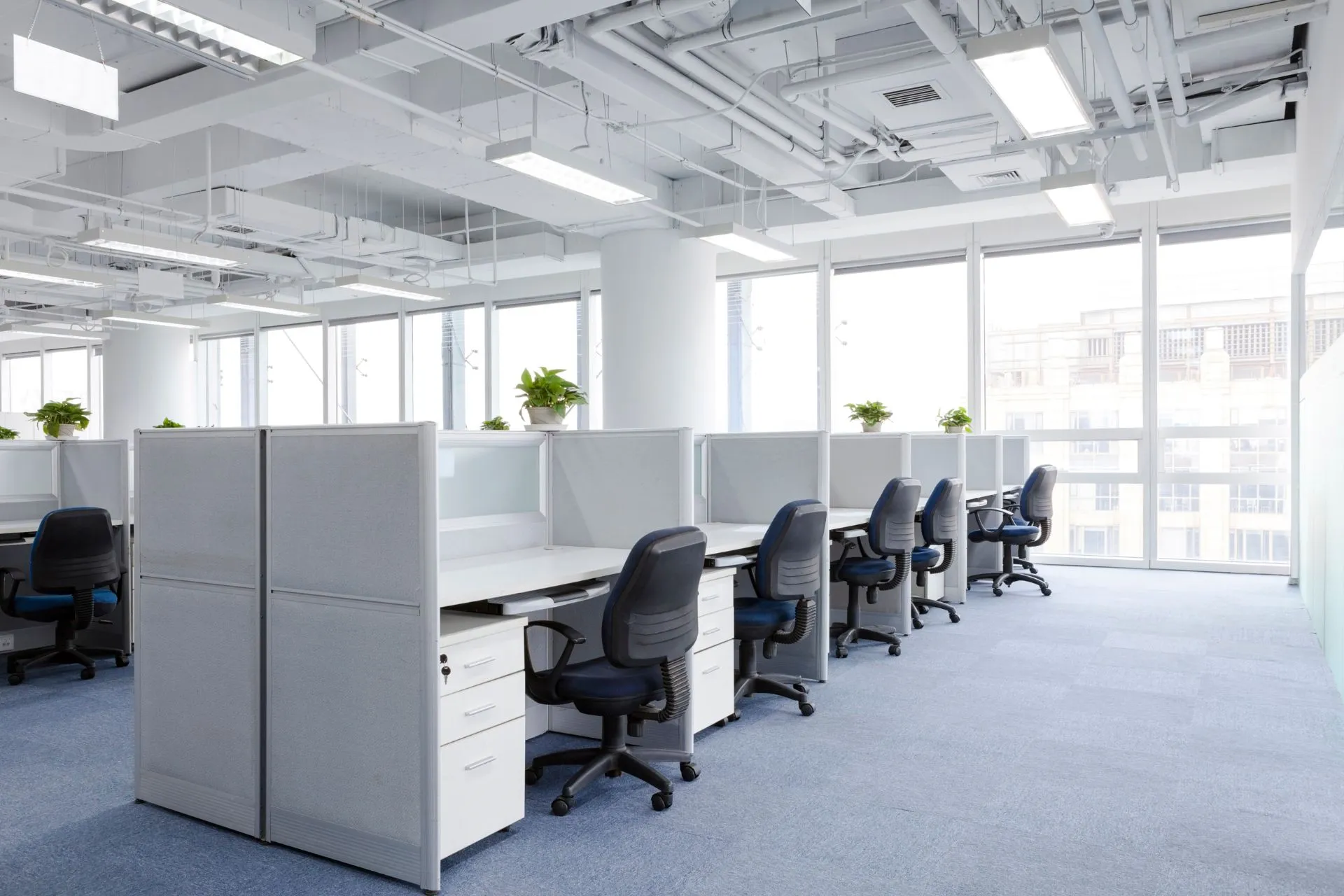
Furnished offices offer the convenience of being fully equipped and ready to use. This allows businesses to start operations immediately without the need to purchase or assemble furniture, saving significant time and effort. It is particularly advantageous for startups or teams on a tight schedule who need a seamless transition into their new space.
Additionally, an office that is ready from day one eliminates the stress of coordinating deliveries and installation. Employees can begin work without delays, maintaining productivity from the very first day. For fast-growing businesses, this speed and simplicity can be a decisive factor in choosing a furnished space.
Con: Limited Customization
One of the drawbacks of furnished offices is the limited ability to customize furniture and layouts. Companies may find it challenging to align the office design with their brand identity or specific functional needs. The pre-selected furniture may not always accommodate particular ergonomic or aesthetic requirements.
Furthermore, the inability to modify the space freely can be restrictive for companies that value a highly personalized or innovative work environment. Teams may have to compromise on desk layouts, meeting spaces, or storage solutions, which could affect comfort and long-term satisfaction.
2) Lower Upfront Cost vs Higher Long-Term Rent

Pro: Lower Upfront Cost
Furnished offices typically include desks, chairs, and other essential equipment in the rental price. This reduces the initial capital outlay required for setting up an office, allowing businesses to allocate funds to other priorities such as marketing, technology, or staffing.
This financial predictability is especially helpful for small or growing companies with limited budgets. By avoiding the cost of purchasing and furnishing the space, organizations can manage cash flow more efficiently and avoid unnecessary upfront expenses.
Con: Higher Long-Term Rent
While upfront costs may be lower, monthly rent for furnished offices can be higher than for unfurnished spaces. The additional cost reflects the inclusion of furniture and ongoing maintenance, which can accumulate over long-term leases.
Over time, the premium paid for furnishings may exceed the cost of buying furniture outright. Companies planning to stay in the same space for several years may find that an unfurnished office could be more cost-effective in the long run.
3) Flexibility for Short-Term Leases vs Less Control Over Quality
Pro: Flexibility for Short-Term Leases
Furnished offices are ideal for businesses that require short-term arrangements. The ability to lease a space for a few months or a year without worrying about outfitting it from scratch is extremely convenient.
This flexibility also benefits project-based teams, temporary staff, or companies entering a new market. They can scale up or down quickly without the burden of investing in permanent furniture or committing to long-term infrastructure.
Con: Less Control Over Quality
One limitation of furnished offices is that the landlord or management company controls the furniture quality. Businesses may encounter worn, outdated, or uncomfortable furniture that does not meet their standards or ergonomic needs.
This lack of control can impact employee satisfaction and productivity, particularly if staff spend long hours at their desks. Organizations may find themselves adapting to subpar furniture rather than designing an environment optimized for their team.
4) Turnkey Convenience vs Style Limitations
Pro: Turnkey Convenience
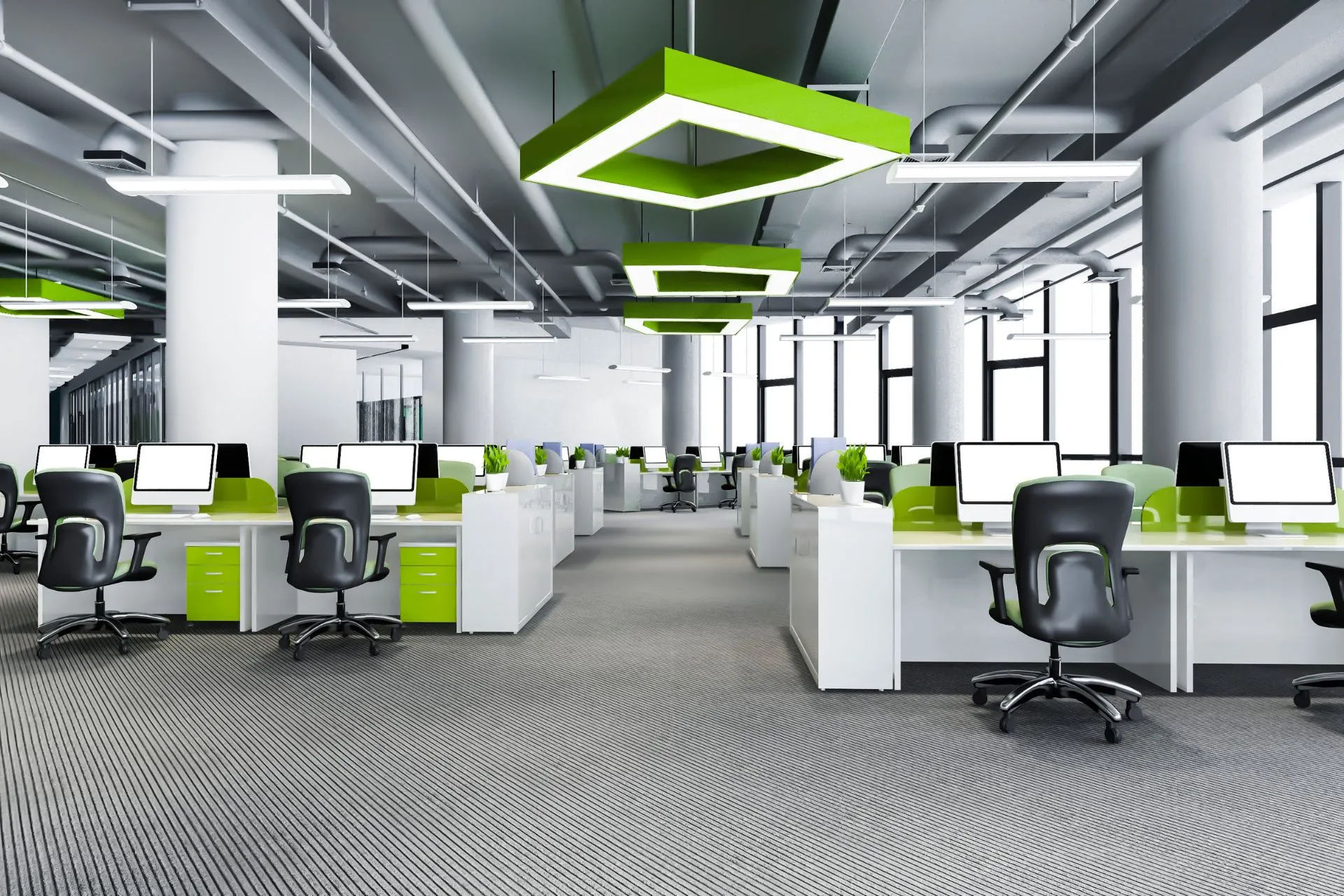
The turnkey nature of furnished offices allows businesses to start operations immediately. There is no need to coordinate deliveries, assemble furniture, or manage installation schedules, which saves time and reduces stress.
This convenience is particularly attractive for fast-growing companies or teams that value efficiency. It ensures a smooth move-in experience and allows managers to focus on strategic priorities rather than operational logistics.
Con: Style Limitations
Furnished offices often come with a standard aesthetic that may not reflect the company’s brand or culture. Teams may have limited options to add personal touches or create a distinctive visual identity in their workspace.
This limitation can affect overall employee morale and the impression made on clients or visitors. Companies that consider office design a core part of their culture may prefer unfurnished spaces for greater creative control.
5) Predictable Budget vs Potential Hidden Costs

Pro: Predictable Budget
Furnished office rentals often include furniture, maintenance, and sometimes utilities, making monthly costs easier to forecast. Companies can plan their budgets with more certainty and avoid unexpected expenses associated with furnishing and upkeep.
This predictability can be particularly valuable for small businesses or startups with tight financial planning needs. Knowing exactly what is covered in the rent simplifies accounting and reduces stress associated with managing multiple vendors.
Con: Potential Hidden Costs
Despite the perceived simplicity, some furnished offices may have hidden fees for repairs, replacements, or additional services. Landlords might charge extra for damaged furniture, upgrades, or specialized requirements.
These unforeseen costs can add up over time, diminishing the financial advantage of a furnished space. Businesses need to carefully review lease terms to understand what is included and what could incur additional charges.
6) Networking Opportunities vs Less Personal Identity

Pro: Networking Opportunities
Many furnished offices are part of coworking or shared office environments, offering natural networking opportunities. Businesses can interact with other companies, attend events, and collaborate on projects in a dynamic professional community.
This environment can foster innovation, partnerships, and knowledge sharing. For small companies, the chance to network within a furnished office setting can be a valuable benefit that goes beyond simple convenience.
Con: Less Personal Identity
The shared nature of many furnished offices can limit a company’s ability to establish its own identity. Branding, signage, and décor may be constrained by shared spaces or uniform setups.
This can affect employee pride and client perception. Businesses that value a distinct office presence may find unfurnished offices better suited to creating a recognizable and customized workspace.
7) Time-Saving vs Limited Expansion Options

Pro: Time-Saving
Furnished offices reduce the time required to move and set up a workspace. Employees can start working immediately, without delays from sourcing furniture, installation, or layout planning.
This efficiency supports continuity and minimizes disruptions to productivity. For teams with critical deadlines or rapid growth needs, the time saved can have a meaningful operational impact.
Con: Limited Expansion Options
Furnished offices may have fixed layouts and furniture arrangements, making it harder to scale or reconfigure the space as the team grows. Companies may find themselves constrained by what is available rather than what is optimal.
Adapting a furnished office to new requirements may involve additional costs or logistical challenges. Businesses that anticipate growth may prefer the flexibility of an unfurnished office to design a scalable layout.
8) Maintenance Included vs Risk of Wear and Tear

Pro: Maintenance Included
Landlords often take responsibility for furniture maintenance in furnished offices. This removes the burden of repairs or replacements from the tenant, simplifying management and ensuring that furniture remains functional.
Regular upkeep can also extend the life of furniture and maintain a professional appearance. Businesses can focus on core operations rather than worrying about minor wear and tear.
Con: Risk of Wear and Tear
Despite maintenance, furnished offices may include furniture that is already worn or heavily used. This can reduce comfort, aesthetics, and overall satisfaction for employees.
Additionally, tenants have limited control over the type or condition of furniture provided. The presence of aging or substandard pieces may necessitate workarounds or affect employee productivity.
9) Cost-Effective for Small Teams vs Long-Term Investment Loss

Pro: Cost-Effective for Small Teams
For small teams, furnished offices allow access to fully equipped workspaces without significant capital expenditure. This cost efficiency can be critical when resources are limited, enabling a professional environment without large upfront spending.
Small businesses can allocate funds toward growth initiatives rather than furniture purchases. The financial flexibility offered by furnished offices is particularly appealing to startups and project-based teams.
Con: Long-Term Investment Loss
The money spent on furnished rent does not contribute to ownership of office assets. Over extended lease terms, businesses may pay more in rent than the cost of purchasing furniture outright.
Companies planning to occupy the space long-term might prefer an unfurnished office to make an investment in assets that retain value. The trade-off between convenience and long-term financial gain should be carefully considered.
10) Predictable Layout vs Lack of Flexibility
Pro: Predictable Layout
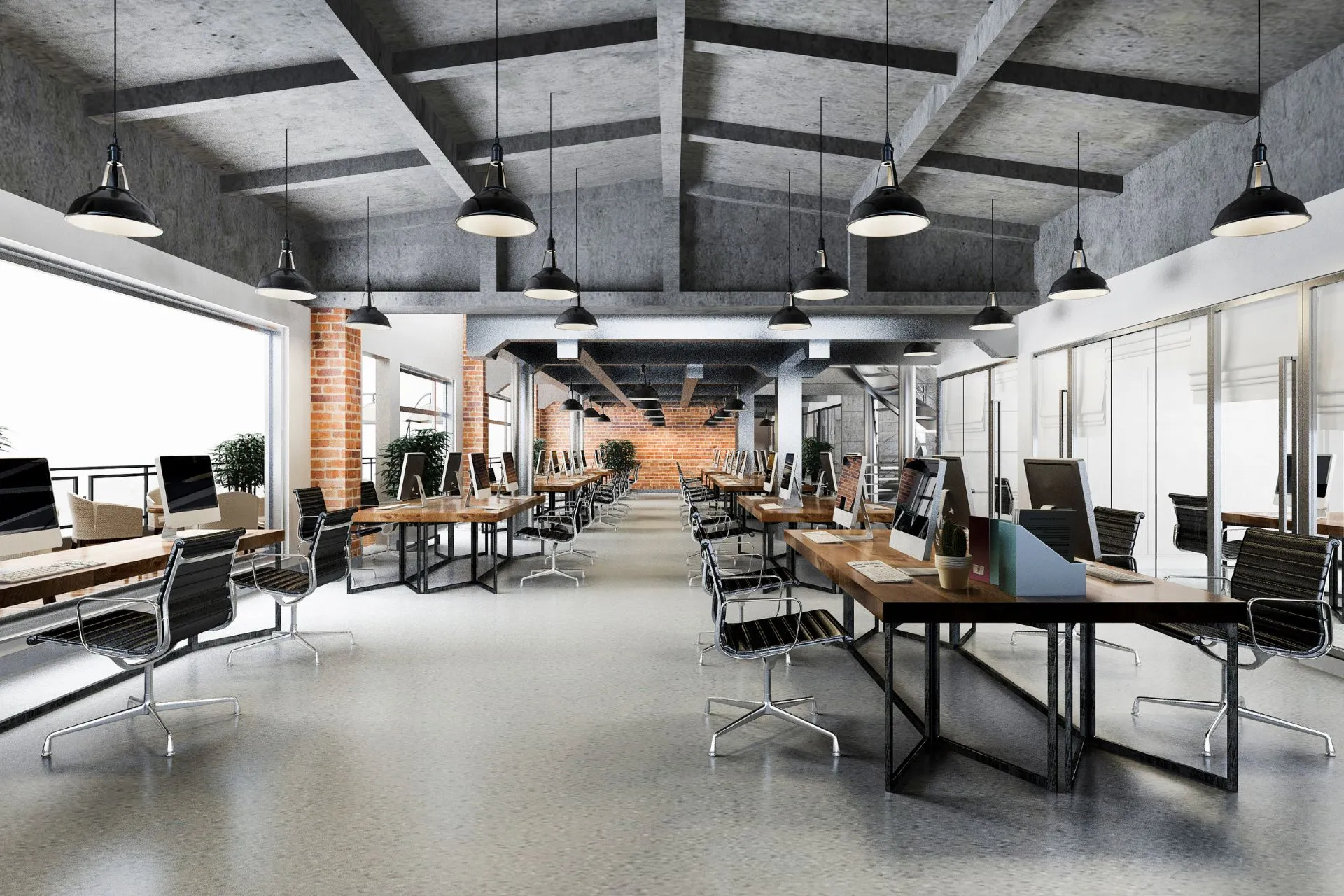
Pre-furnished offices offer tested and functional layouts, ensuring efficient use of space. Companies benefit from workspaces that are already optimized for workflow and productivity.
This predictability helps managers plan operations and organize teams effectively. Employees can settle into familiar configurations without disruptions, improving overall efficiency.
Con: Lack of Flexibility
Furnished layouts may not accommodate changes in team size or evolving work needs. Modifying the space often requires negotiation with landlords or additional investment, limiting adaptability.
For companies that value flexible or innovative workspace design, this rigidity can be a significant limitation. An unfurnished office allows complete control over layout and furniture selection to suit long-term goals.
How We Picked These Key Points
- Identified Pain Points – Looked at common challenges businesses face when moving offices.
- Analyzed Key Factors – Considered flexibility, cost, branding, and lease terms.
- Consulted Experts – Gathered insights from office leasing pros and coworking providers.
- Studied Real Cases – Reviewed client experiences and case studies.
- Focused on Impact – Highlighted points affecting both short-term convenience and long-term strategy.
Summary
Selecting between furnished and unfurnished office spaces involves careful consideration of both immediate convenience and long-term strategy. Furnished offices offer turnkey solutions with lower upfront costs, immediate move-in, and built-in maintenance. They are particularly well-suited for small teams, short-term projects, or businesses that prioritize speed and efficiency. The trade-offs often involve higher monthly rent, limited personalization, and potential constraints on growth or branding.
Unfurnished offices provide flexibility, control, and long-term asset investment potential. Companies can fully customize the layout, furniture, and style to reflect their brand and workflow. However, this approach requires more time, effort, and upfront capital to outfit the space. Ultimately, the decision should align with company size, lease term, and strategic objectives. To explore the best office solution for your team, contact Quintessential Offices for expert guidance and personalized recommendations.