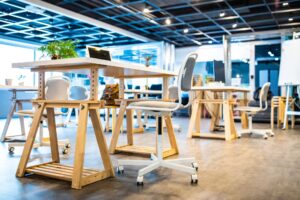
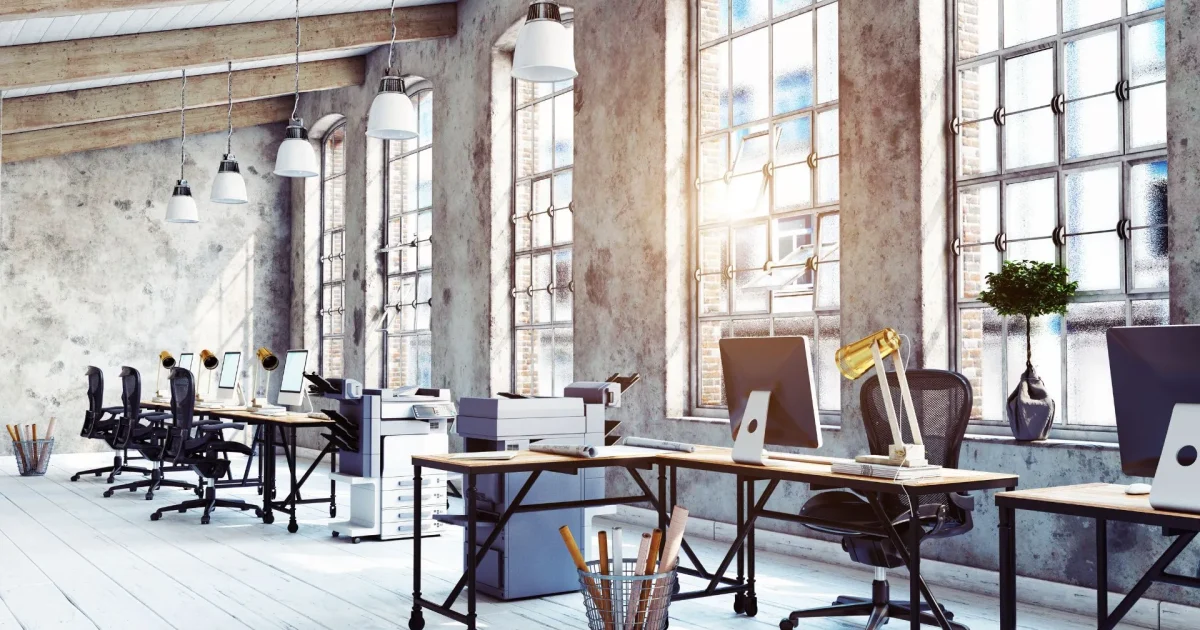
Creating a welcoming office environment is about more than aesthetics—it’s about shaping how clients feel the moment they walk through your door. From first impressions at reception to the subtle details in lighting, layout, and comfort, every element contributes to trust and professionalism in a very real way. A thoughtfully designed space not only reflects your brand but also puts clients at ease, making meetings more productive and relationships more meaningful over time. When your office feels considered and inviting, it reassures visitors that they are in capable hands from the outset.
1) Create a Strong First Impression at Reception
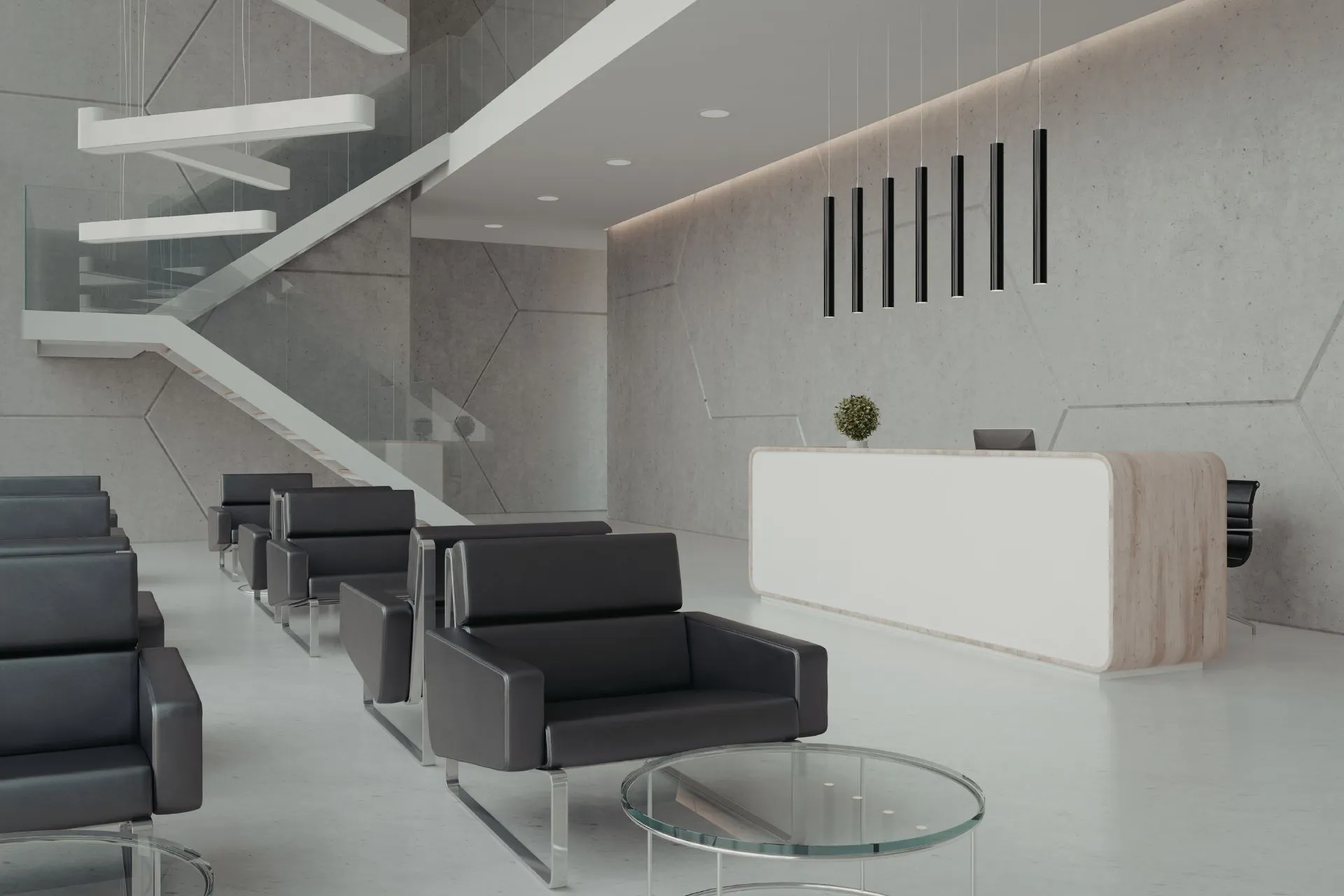
Your reception area sets the tone for the entire client experience, acting as the first physical interaction they have with your business. It should feel organised, approachable, and aligned with your brand identity in both look and atmosphere. A clutter-free desk, friendly greeting, and cohesive design instantly communicate professionalism and care without the need for explanation. When done well, this space quietly reinforces confidence before a conversation even begins.
Keep the Space Clean and Organised
A tidy reception area reassures clients that your business is well-run and detail-oriented, which helps build immediate trust. Even small touches—like neatly arranged brochures, organised paperwork, or a clean sign-in area—can make a noticeable difference in how your company is perceived. These visual cues suggest that the same level of care is applied to your work and client relationships.
Regular upkeep is essential to maintaining this impression over time. Dust-free surfaces, organised storage, and clear walkways help create a calm, welcoming atmosphere that immediately puts visitors at ease. When everything feels in its place, clients can relax and focus on the purpose of their visit rather than distractions in their surroundings.
Reflect Your Brand Identity
Your reception should visually represent your business values, giving clients a clear sense of who you are from the moment they arrive. This could be through colour schemes, signage, materials, or subtle design elements that reinforce your brand personality in a natural way. A well-considered space helps communicate credibility without needing to say a word.
Consistency matters across the entire office, not just at the front desk. When clients see a cohesive look from reception through to meeting rooms, it builds trust and strengthens your professional image. This continuity creates a sense of reliability and attention to detail that clients are likely to remember.
2) Use Comfortable and Stylish Seating
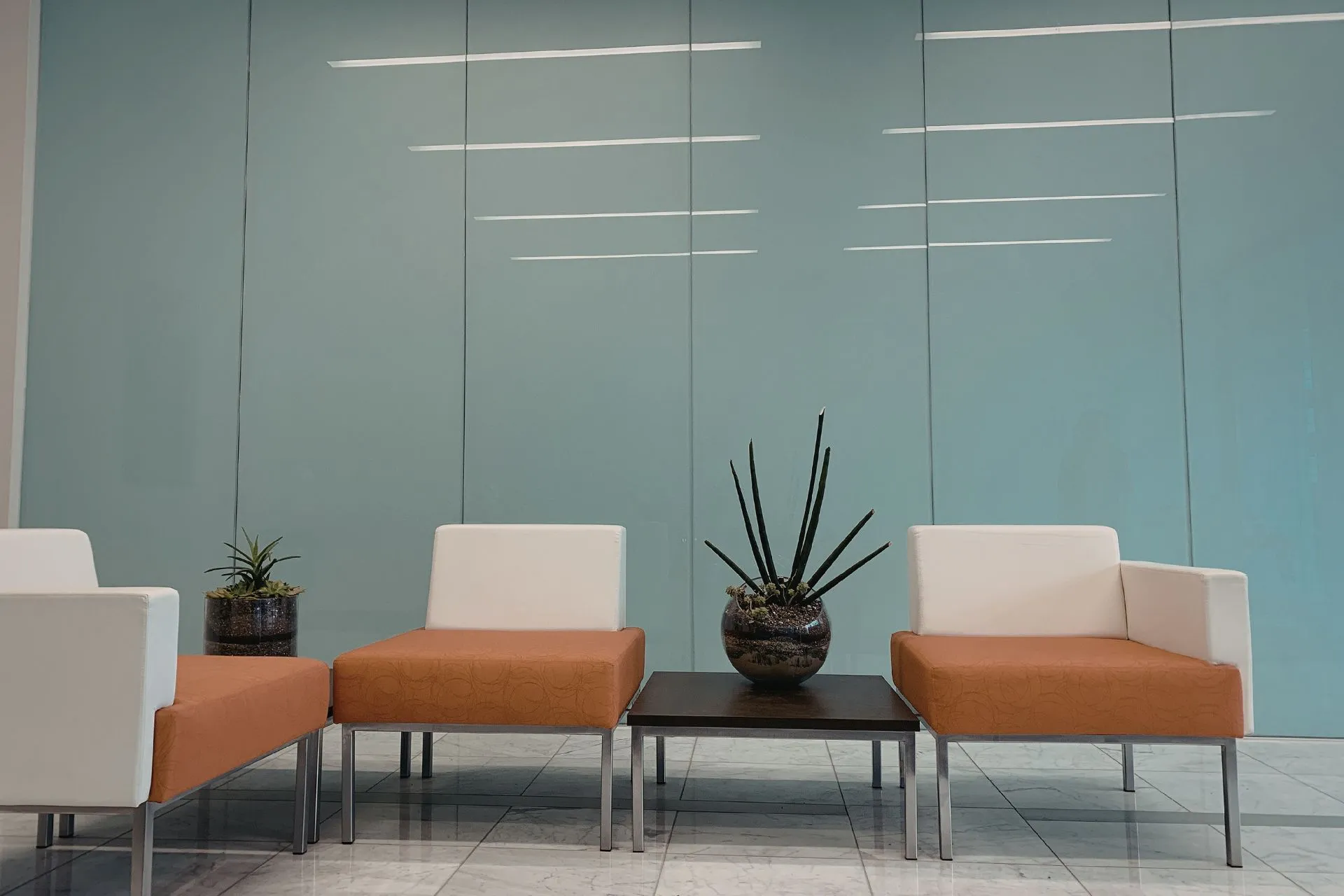
Seating plays a crucial role in how comfortable clients feel during their visit, especially if they are waiting or attending longer meetings. The right furniture balances aesthetics with practicality, ensuring guests can relax while still feeling in a professional environment. Thoughtful seating choices can subtly influence how long clients are willing to stay and how engaged they feel. A comfortable client is far more likely to have a positive overall experience.
Choose Ergonomic Designs
Comfortable seating encourages clients to settle in rather than feel rushed or uneasy, particularly during longer discussions. Chairs with proper support can make waiting or extended meetings far more pleasant, helping visitors stay focused and relaxed. This is especially important in spaces where conversations may be detailed or time-sensitive.
Investing in quality seating also reflects well on your business as a whole. It shows attention to detail and consideration for the client experience, which can influence how your services are perceived. When clients feel physically comfortable, it naturally contributes to a more positive impression of your brand.
Match Style with Function
Your seating should complement the overall design of your office while remaining practical and durable for everyday use. Modern, well-maintained furniture creates a polished and inviting look that reinforces professionalism. The right balance between design and usability ensures the space works effectively for both staff and visitors.
Avoid overcrowding the area with too many chairs or bulky furniture pieces. A balanced layout ensures the space feels open, easy to navigate, and visually appealing. This sense of openness contributes to a more relaxed environment where clients feel comfortable spending time.
3) Incorporate Natural Light and Greenery
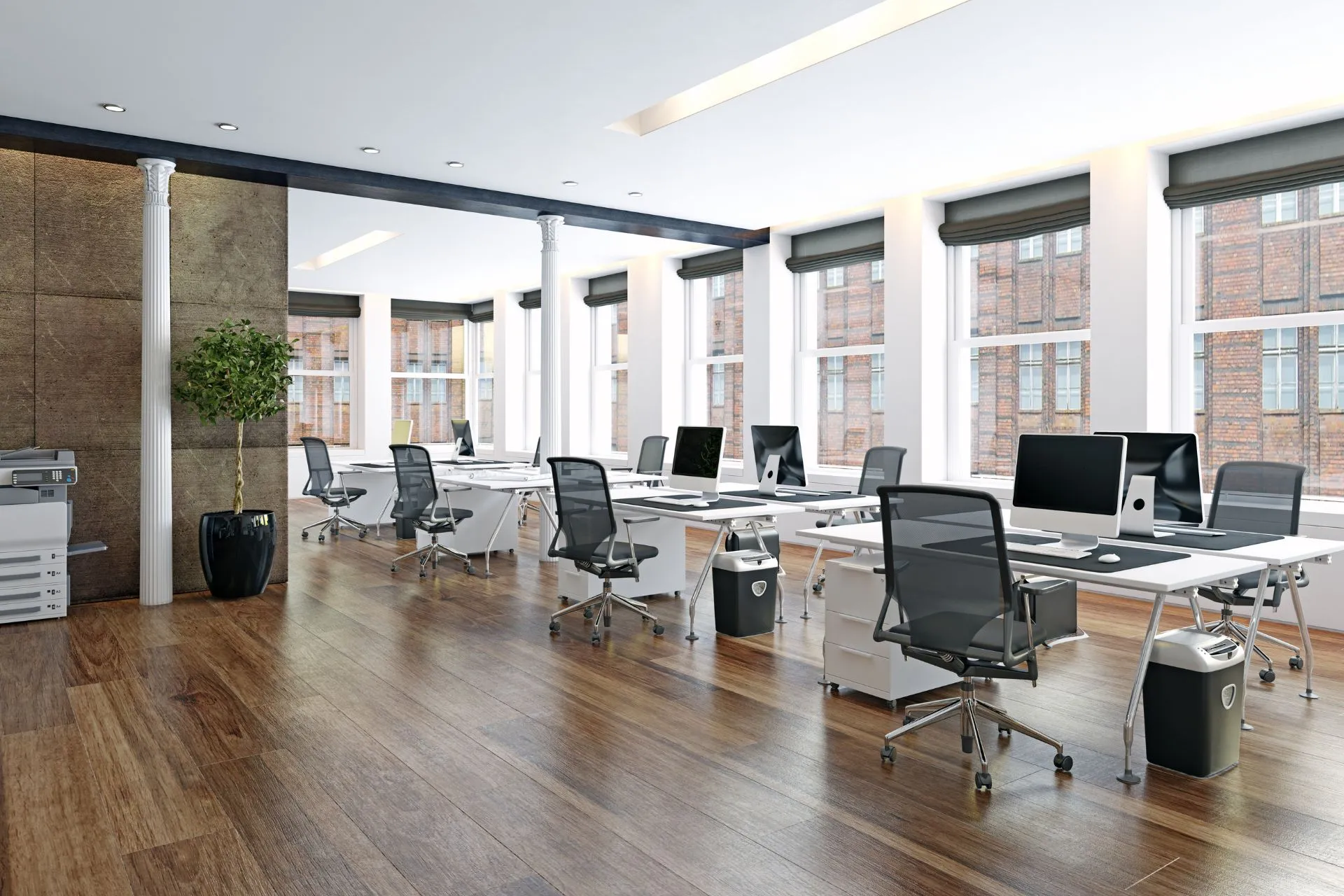
Natural elements can transform the feel of an office, making it more welcoming and less clinical for visiting clients. Light and greenery have a proven impact on mood, helping people feel more relaxed and engaged in their surroundings. Introducing these elements can subtly improve the tone of every interaction that takes place in your space. Over time, they contribute to a more positive and memorable client experience.
Maximise Natural Light
Where possible, allow natural light to flow through your space by keeping windows unobstructed and layouts open. Using glass partitions or lighter finishes can help distribute daylight more evenly across the office. These simple adjustments can make even smaller spaces feel larger and more inviting.
Bright, naturally lit environments feel more open and less intimidating, which helps clients feel comfortable from the outset. This can make conversations flow more easily and reduce any initial tension during meetings. The result is a more relaxed and productive interaction.
If natural light is limited, consider warm artificial lighting that mimics daylight as closely as possible. Layered lighting solutions can help maintain a bright and welcoming atmosphere even in enclosed or internal spaces. This ensures consistency in how your office feels throughout the day.
Add Plants and Biophilic Design
Plants introduce a sense of calm and vitality into your office, helping to soften the overall environment. Even a few well-placed plants can make a space feel more welcoming and less formal. This subtle shift can have a noticeable impact on how clients perceive your workplace.
Biophilic design—bringing elements of nature indoors—can also enhance wellbeing and reduce stress for both clients and staff. Natural textures, greenery, and organic shapes create a more balanced and comfortable setting. These features can make meetings feel less rigid and more collaborative.
Low-maintenance options such as succulents or indoor trees provide visual appeal without adding to upkeep demands. Choosing the right plants ensures your office remains fresh and inviting without requiring constant attention.
4) Offer Refreshments and Amenities

Providing refreshments is a simple yet effective way to make clients feel valued and considered during their visit. It demonstrates hospitality and shows that you have thought about their comfort beyond the basics. These small gestures can make a lasting impression and set a positive tone for any interaction. Over time, they help build stronger client relationships.
Provide Drinks and Light Snacks
Offering tea, coffee, or water gives clients something to enjoy while they wait or settle into a meeting. This small act helps create a more relaxed and conversational atmosphere, making interactions feel less formal. It can also serve as a natural icebreaker at the start of discussions.
Small gestures like this often leave a lasting impression because they show genuine consideration. Clients are more likely to remember how they felt during their visit than the specific details of the meeting. Creating a sense of comfort can influence how your business is perceived long after they leave.
Create a Self-Service Area
A designated refreshment station allows clients to help themselves, adding convenience and flexibility to their visit. It also reduces pressure on staff, particularly during busy periods when multiple visitors are present. This setup can make the office feel more accessible and user-friendly.
Keep the area clean, organised, and well-stocked at all times to maintain a professional impression. A tidy, accessible setup reinforces your attention to detail while still feeling welcoming. When clients can easily access what they need, it enhances their overall experience.
5) Design Inviting Meeting Spaces
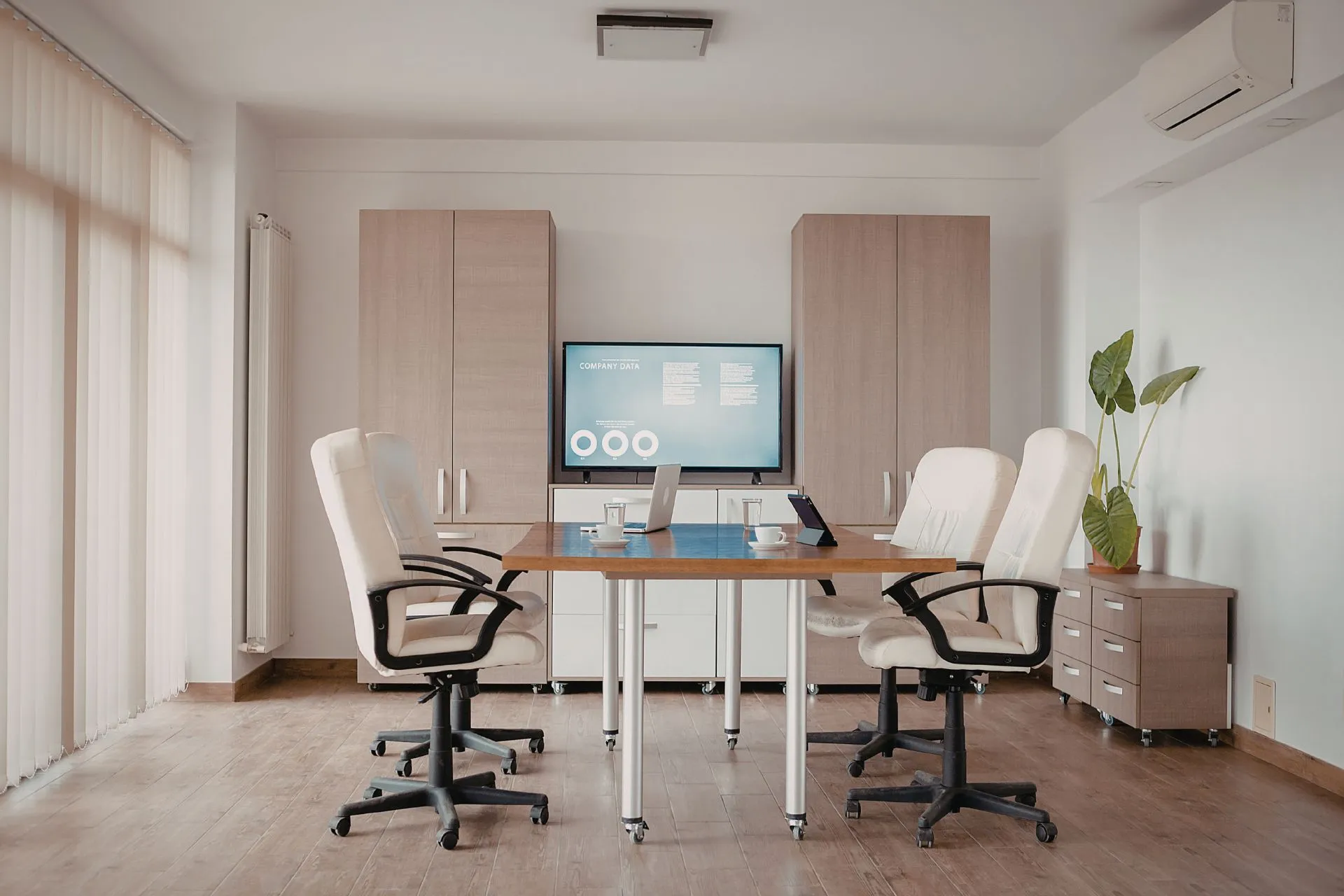
Meeting rooms are where key conversations and decisions take place, so their design plays a crucial role in the client experience. These spaces should feel comfortable, functional, and aligned with your brand identity. A well-designed meeting room can support clearer communication and more productive discussions. It also reinforces your professionalism in a tangible way.
Balance Privacy and Openness
Clients appreciate spaces where they can speak freely without distractions or concerns about confidentiality. Soundproofing and thoughtful layouts help maintain privacy while ensuring conversations remain focused. This sense of security is essential for building trust.
At the same time, avoid making rooms feel closed off or overly formal. Glass elements, lighter colours, or open design features can keep the space feeling approachable. This balance prevents the room from becoming intimidating.
Striking the right balance creates an environment that feels both secure and welcoming. Clients are more likely to engage openly when they feel comfortable in their surroundings. This leads to more effective and meaningful discussions.
Ensure Technology Works Seamlessly
Nothing disrupts a meeting more quickly than technical issues or unreliable equipment. Reliable Wi-Fi, intuitive presentation tools, and accessible power points are essential for a smooth experience. These elements support productivity without drawing attention to themselves.
Test equipment regularly to ensure everything runs as expected before clients arrive. This preparation reduces delays and helps meetings start on time without unnecessary interruptions. It also reflects a high level of professionalism.
When technology works effortlessly, it enhances the overall experience and allows clients to focus fully on the conversation. This creates a more efficient and positive interaction for everyone involved.
6) Pay Attention to Lighting and Acoustics
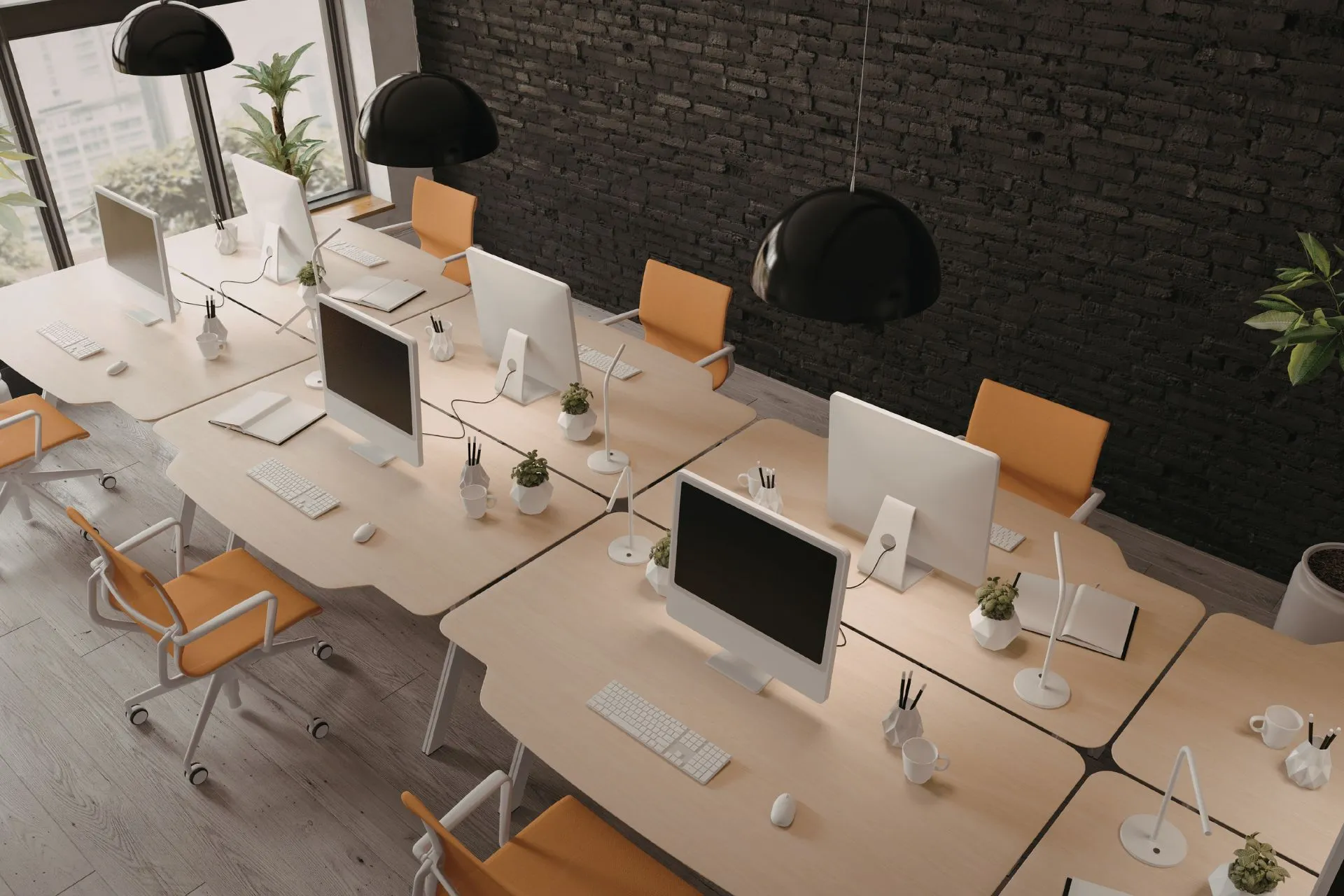
The atmosphere of your office is shaped not just by how it looks, but also by how it feels to spend time in. Lighting and sound both play a significant role in creating a comfortable and welcoming environment. When these elements are carefully managed, they support better communication and a more pleasant client experience. Small adjustments can make a noticeable difference.
Use Warm, Layered Lighting
A combination of ambient and task lighting creates a balanced and inviting environment that feels comfortable rather than clinical. Avoid harsh overhead lights, as they can make spaces feel cold and unwelcoming. Softer lighting helps create a more relaxed and approachable atmosphere.
Layered lighting also allows you to adapt the space for different uses throughout the day. Whether it’s a formal meeting or a casual conversation, the right lighting can enhance the overall mood.
Minimise Noise Disruptions
Excessive noise can make conversations difficult and create a sense of distraction or disorganisation. Acoustic panels, carpets, and soft furnishings can help absorb sound and improve overall acoustics. These additions contribute to a calmer and more focused environment.
A quieter office allows for clearer communication and a more enjoyable experience for clients. When visitors can hear and be heard easily, it improves the quality of interactions and reduces unnecessary frustration.
7) Keep the Office Clean and Well-Maintained
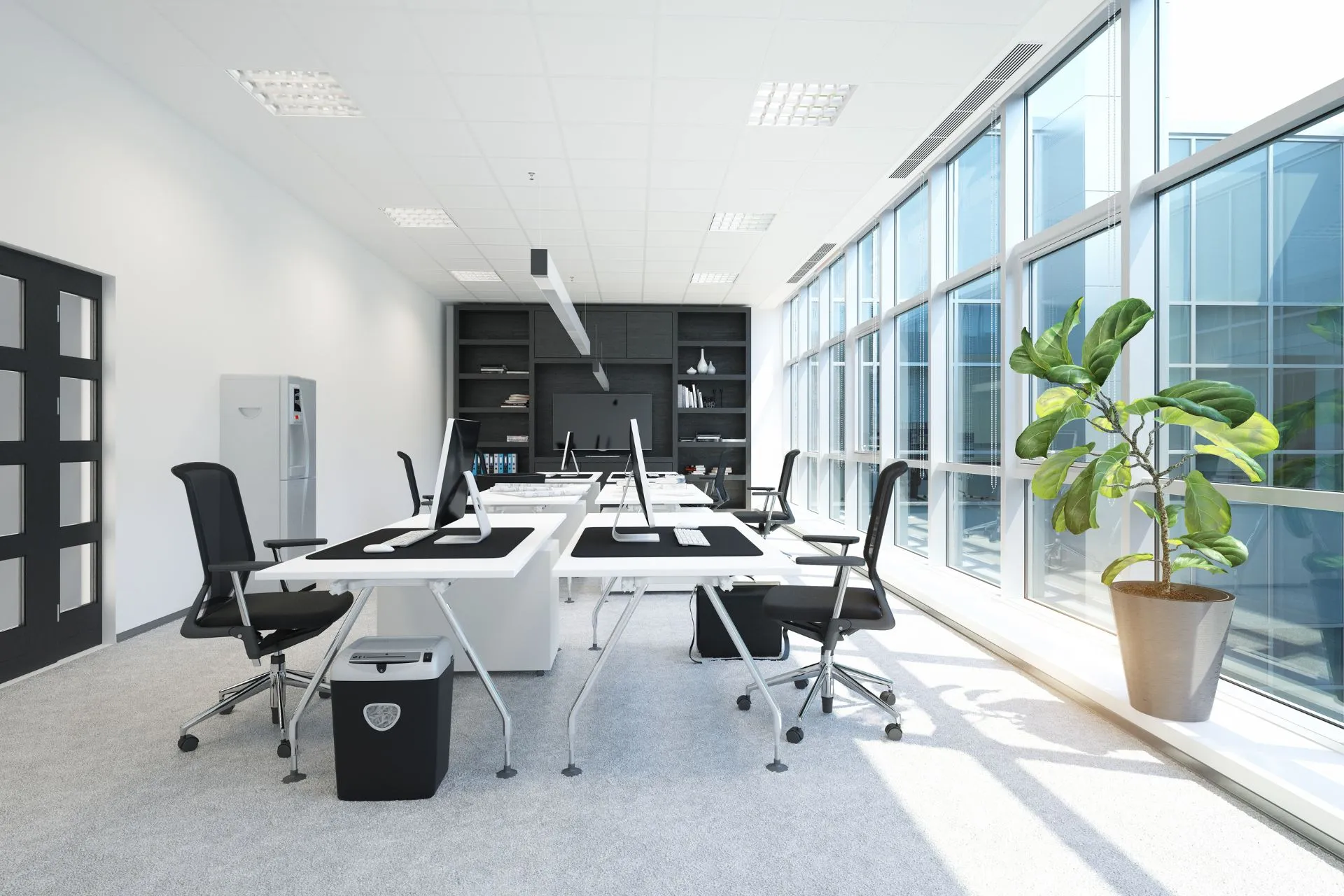
Cleanliness is one of the most immediate indicators of professionalism and attention to detail. A well-maintained office shows respect for both clients and staff, reinforcing a positive impression from the outset. Even small signs of neglect can undermine trust, making this an area that should never be overlooked. Consistency is key to maintaining high standards.
Maintain High Cleaning Standards
Regular cleaning ensures that all areas—from reception to meeting rooms—are presentable at all times. This includes floors, surfaces, shared spaces, and even less obvious areas like corners and storage zones. A consistently clean environment reflects strong organisational habits.
Attention to detail matters more than many realise. Clean windows, tidy desks, and fresh-smelling rooms all contribute to a positive and welcoming atmosphere. These elements work together to create a space that feels cared for.
Consistent upkeep also prevents minor issues from becoming noticeable problems. By maintaining high standards daily, your office will always be ready to welcome clients without last-minute adjustments.
Address Repairs Promptly
Broken fixtures or worn furniture can quickly detract from an otherwise professional space. Addressing these issues promptly shows that you take pride in your environment and value presentation. It also prevents small problems from escalating.
Clients notice these details, even if only subconsciously. A well-maintained office reinforces trust and reliability, which are essential for building strong relationships.
Staying proactive with maintenance ensures your space consistently reflects the quality of your services. This alignment between environment and offering strengthens your overall brand image.
8) Personalise the Space with Thoughtful Touches
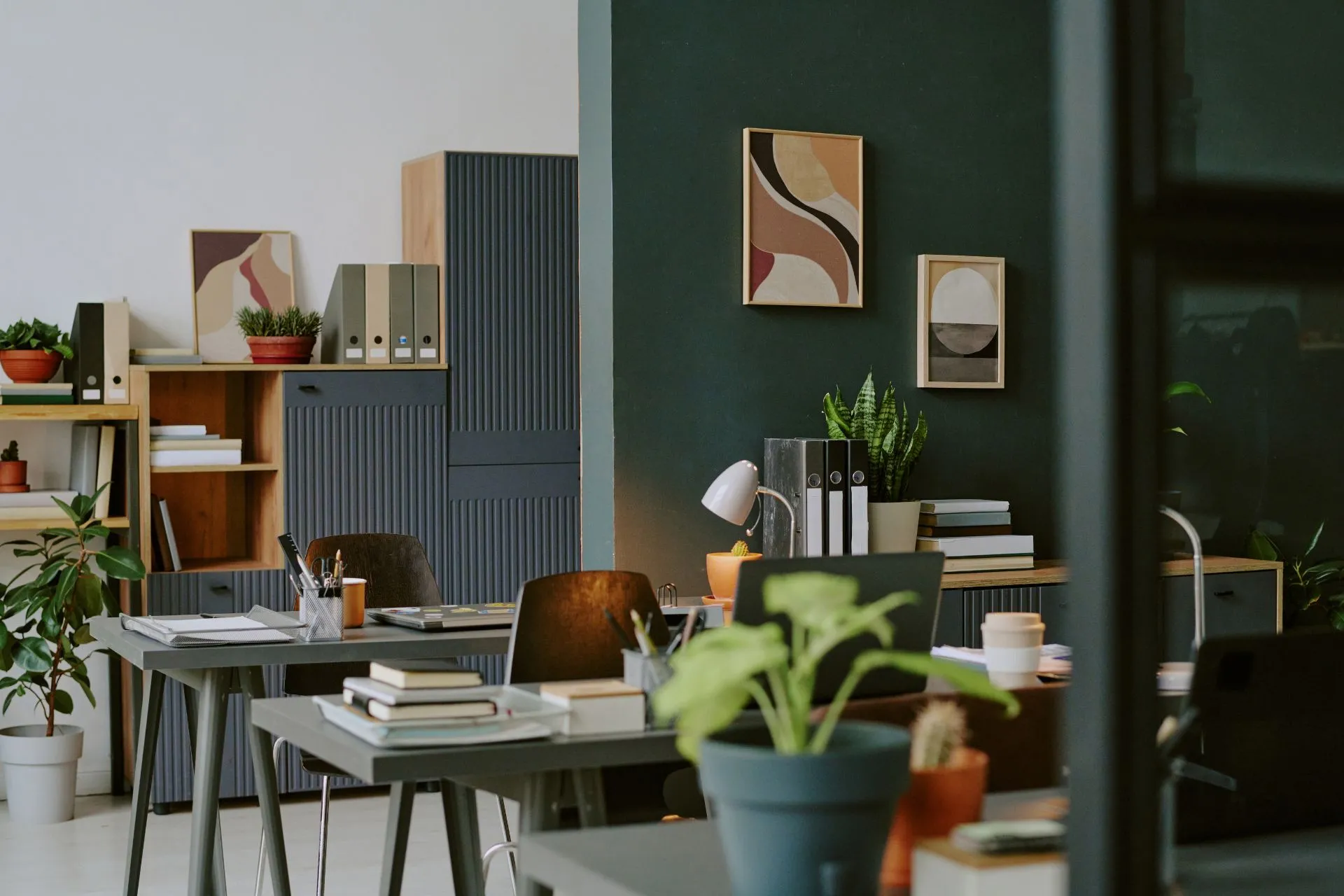
Adding personality to your office helps create a memorable and welcoming experience for clients. It shows that your business has character and attention to detail beyond basic functionality. Thoughtful design choices can make your space stand out in a subtle but meaningful way. This helps leave a lasting impression after each visit.
Display Artwork or Branding
Artwork, photographs, or branded elements can make your space feel unique and engaging. These features help tell your story and give clients insight into your business identity. A well-curated selection can enhance the overall atmosphere.
Choose pieces that align with your brand and create a cohesive look throughout the office. Consistency in style and tone helps reinforce professionalism while adding visual interest.
Add Subtle Personal Elements
Small touches—like books, magazines, or carefully selected décor—can make the space feel less corporate and more inviting. These details help create a sense of warmth and approachability. They also give clients something to engage with while waiting.
The goal is to strike a balance between personality and professionalism. Personalisation should enhance the environment without overwhelming it, ensuring the space remains functional and welcoming.
How We Pulled This List Together
- Client Experience First: Looked at common client pain points during office visits and how thoughtful design choices can address them in a practical, meaningful way.
- Practical Improvements: Focused on changes that can be implemented quickly without major disruption, making them accessible for a wide range of businesses.
- Comfort & Functionality: Prioritised elements that improve both physical comfort and usability, ensuring spaces work as well as they look.
- Modern Workplace Trends: Drew on current office design principles and evolving expectations around flexibility, wellbeing, and professionalism.
- Versatility Across Offices: Selected ideas that can be applied to different office sizes, layouts, and industries without losing impact.
Summary
A welcoming office is not about grand gestures—it’s about thoughtful, consistent details that shape how clients feel throughout their visit. From reception design and seating to lighting, cleanliness, and personal touches, each element contributes to a more comfortable and professional environment. When these factors come together effectively, they create a space that supports better conversations and stronger, more productive relationships.
If you’re looking to transform your office into a space that truly impresses clients, the right design approach makes all the difference. Contact Quintessential Offices today to create a workspace that reflects your brand and elevates every client interaction.