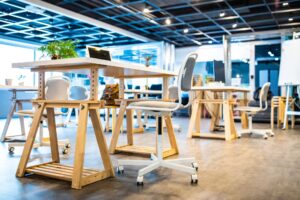

Retaining talented people takes more than competitive salaries and polished job titles. Today’s employees expect workplaces that support their wellbeing, enable flexibility, and foster a genuine sense of belonging. The most effective office perks are not gimmicks—they are practical features that improve how people work and feel each day. When done well, they help create an environment employees genuinely want to stay in. Below are ten office perks that play a real role in improving retention.
1) Flexible Working Spaces
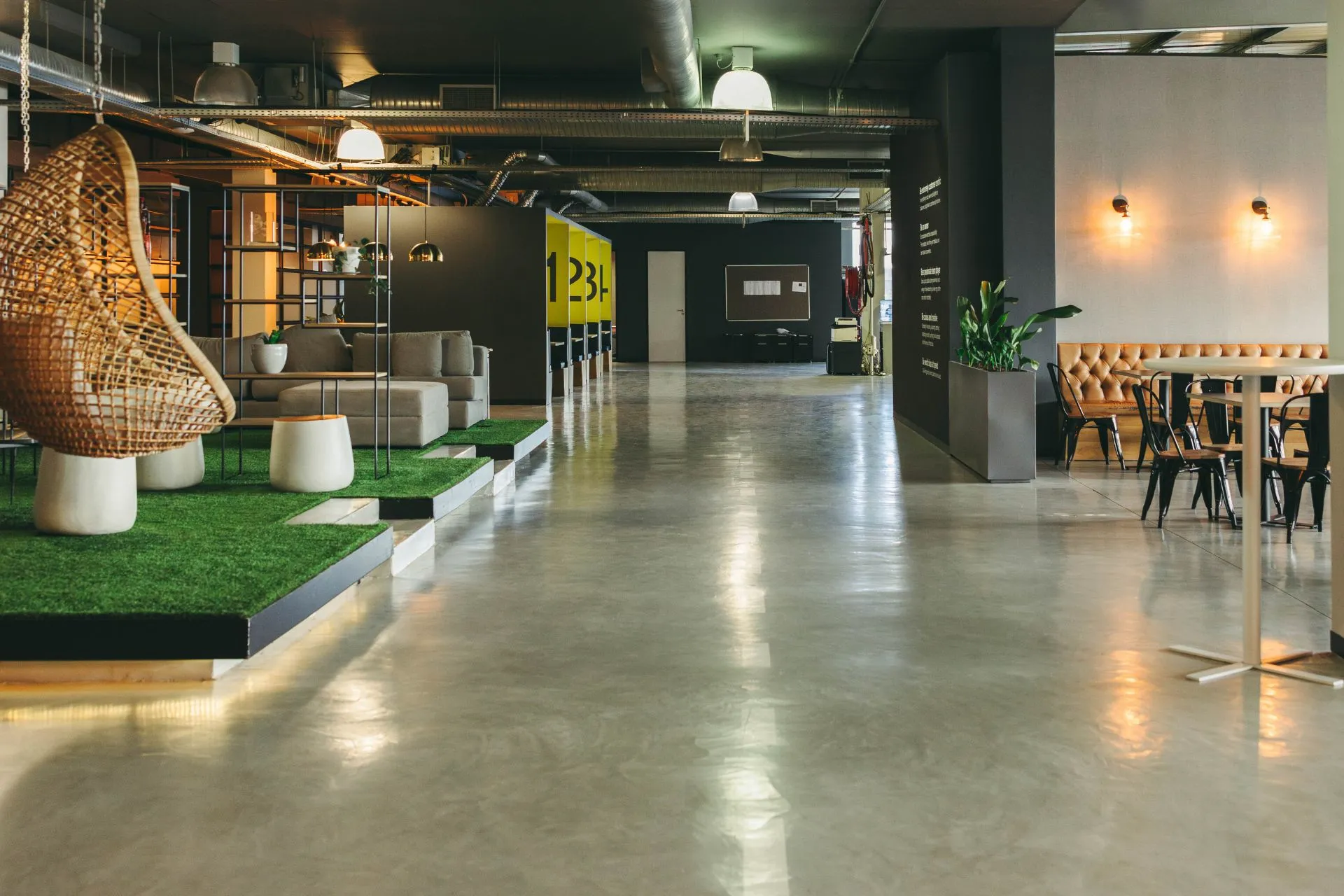
A rigid office layout can quickly feel outdated in a workforce that values autonomy and choice. Flexible working spaces allow employees to move between environments depending on the task at hand. This gives people more control over how they work and helps reduce daily friction. It also supports different working styles within the same team.
Activity-Based Zones
Activity-based zones give employees access to a variety of work settings, from quiet areas to collaborative spaces. This allows them to choose the right environment for each task, improving both focus and efficiency. The ability to switch spaces helps prevent fatigue and keeps the day more dynamic.
This flexibility also reduces frustration caused by unsuitable work environments. Employees are less likely to feel restricted or distracted. Over time, this leads to better engagement and a more positive overall experience. That sense of ease plays a role in retention.
Adaptable Furniture
Modular desks, movable partitions, and adjustable seating make it easier to adapt the office as needs change. This is particularly useful for growing teams or evolving work patterns. A flexible setup helps the office remain relevant without constant redesign.
When employees see that their workspace is designed with them in mind, it reinforces a sense of value. Small improvements in comfort can make a noticeable difference day to day. Over time, this contributes to a better perception of the workplace. That can influence whether employees choose to stay.
2) Wellbeing-Focused Breakout Areas

Breakout spaces designed for wellbeing give employees a place to reset during the day. These areas help maintain energy levels and reduce stress. Encouraging proper breaks leads to more consistent productivity. It also supports long-term mental wellbeing.
Relaxation Zones
Comfortable seating, calming colours, and soft lighting create an environment where employees can unwind. Even short breaks in these spaces can improve focus. They provide a clear contrast to busy work areas.
Over time, this helps reduce burnout and improve job satisfaction. Employees feel that their wellbeing is being taken seriously. This builds trust and encourages long-term commitment. It also contributes to a healthier workplace culture.
Social Spaces
Breakout areas also act as social hubs for informal interaction. These moments help build stronger relationships between colleagues. They encourage collaboration in a natural, low-pressure way.
A strong sense of community can improve retention significantly. Employees are more likely to stay where they feel connected. Social interaction also improves teamwork and communication. This creates a more cohesive workplace.
3) Hybrid Work Support
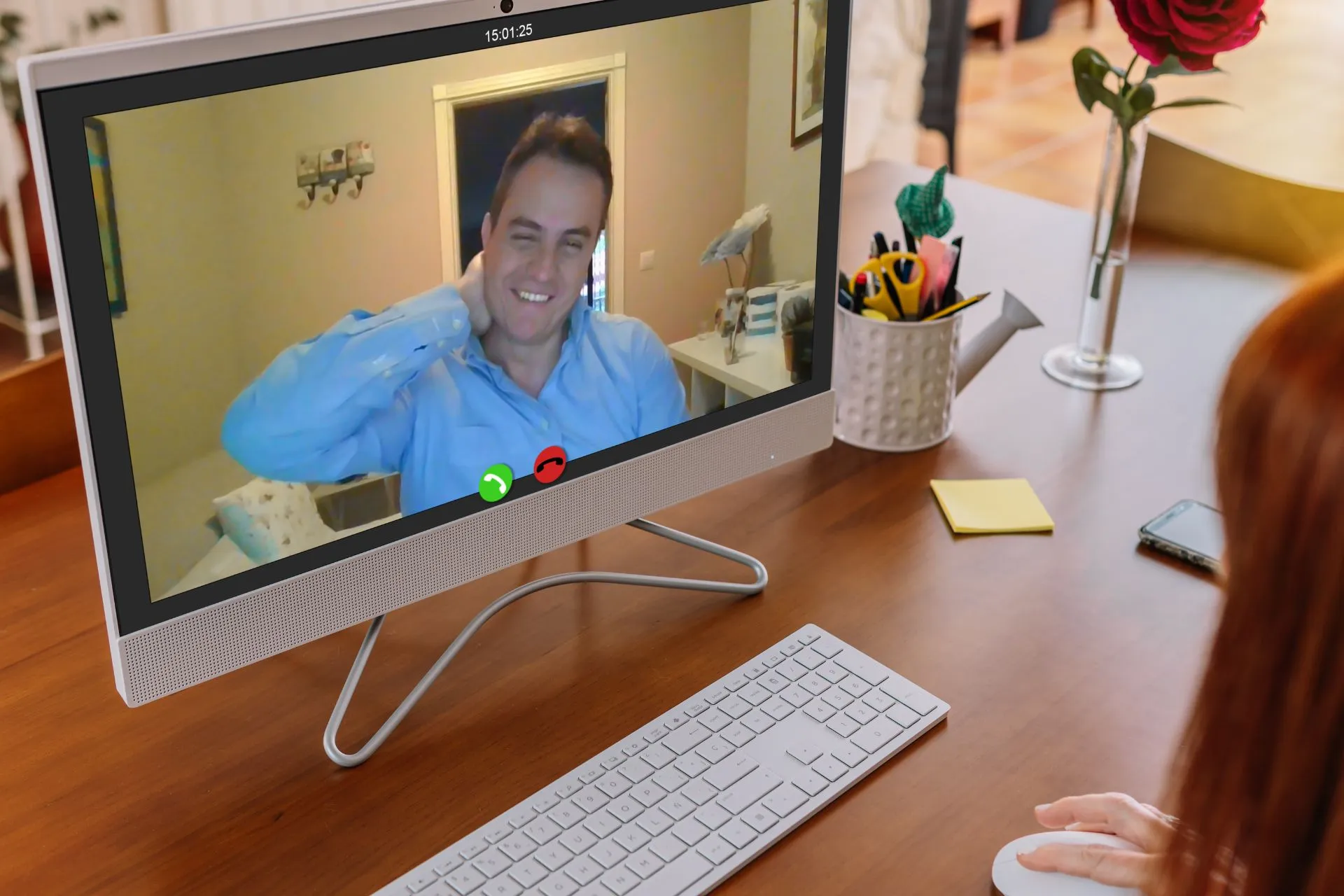
Hybrid working is now an expectation for many employees. Offices that support this model show flexibility and trust. This approach helps accommodate different lifestyles and preferences. It can significantly improve satisfaction and retention.
Seamless Technology Integration
Reliable video conferencing and collaboration tools are essential for hybrid teams. They ensure that remote and in-office staff can work together effectively. Smooth technology reduces frustration and keeps workflows consistent.
It also signals that the organisation is forward-thinking. Employees feel more confident using systems that work well. This improves both productivity and morale. It supports a better overall work experience.
Clear Hybrid Policies
Clear guidelines around hybrid working help avoid confusion. Employees need to understand expectations for attendance and communication. This clarity creates a more stable working environment.
Without clear policies, misunderstandings can arise. Transparency ensures fairness across the team. Employees are more likely to trust leadership when expectations are clear.
When people feel supported in how they work, they are more likely to stay. Clear structures balance flexibility with accountability. This helps create a sustainable working model.
4) Professional Development Opportunities

Opportunities for growth are highly valued by employees. People want to feel they are progressing in their careers. Without development, even engaged staff may look elsewhere. Investing in growth supports retention.
Training Programmes
Workshops and courses help employees build new skills. This shows a commitment to their development. It also keeps teams competitive and capable.
As employees improve, they become more confident in their roles. This leads to higher engagement. A culture of learning benefits both individuals and the business.
Mentorship Schemes
Mentorship programmes encourage knowledge sharing within the organisation. They help employees learn from more experienced colleagues. This supports faster development.
Mentorship also builds stronger internal relationships. Employees feel guided and supported in their careers. This increases loyalty and long-term commitment.
5) Recognition and Reward Systems

Recognising employee contributions helps build motivation and loyalty. When efforts are acknowledged, employees feel valued. This encourages continued performance. It also improves overall morale.
Regular Feedback
Frequent feedback helps employees understand their performance. It also shows that their work is being noticed. This builds trust between staff and management.
Ongoing communication creates a more open workplace. Employees feel more confident and engaged. This contributes to stronger retention over time.
Incentive Programmes
Bonuses and rewards provide tangible recognition for achievements. These incentives can align with company goals. They help reinforce desired behaviours.
When employees feel appreciated, they are more motivated. This can improve both performance and satisfaction. Over time, it supports long-term loyalty.
6) Health and Wellness Initiatives

Health-focused perks show a genuine commitment to employee wellbeing. They address both physical and mental health needs. This creates a more balanced workplace. It also supports long-term engagement.
Fitness and Wellness Support
Gym access or wellness allowances encourage employees to stay active. This improves energy levels and overall health. It can also boost productivity.
Supporting physical wellbeing shows care beyond work output. Employees notice this and value it. It strengthens their connection to the organisation.
Healthier employees are generally more engaged. They are also less likely to experience burnout. This contributes to better retention.
Mental Health Resources
Access to counselling and wellbeing support is increasingly important. These resources help employees manage stress. They also promote a healthier work-life balance.
Open support for mental health reduces stigma. Employees feel more comfortable seeking help. This creates a more supportive environment.
When employees feel mentally supported, satisfaction improves. They are more likely to remain in their roles. This has a direct impact on retention.
7) High-Quality Office Design
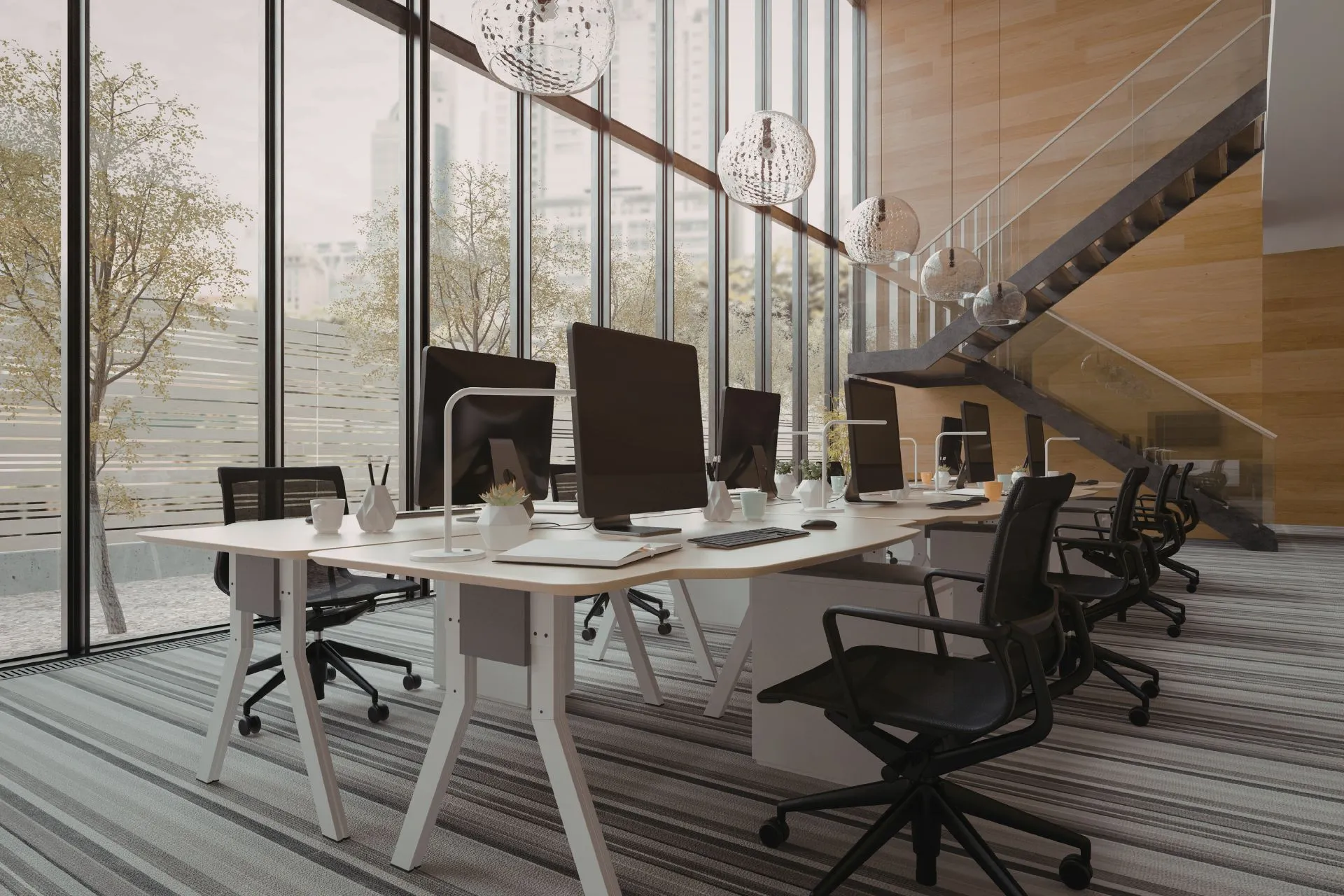
The physical workspace influences how employees feel at work. A well-designed office improves comfort and focus. It also enhances overall satisfaction. This can support retention.
Ergonomic Workstations
Ergonomic furniture reduces strain and discomfort. This is important for desk-based roles. Better comfort leads to improved focus.
Providing these features shows attention to employee needs. It reflects a practical investment in wellbeing. Employees often value this highly.
Aesthetic Appeal
A visually appealing office creates a more enjoyable environment. Design elements can influence mood and motivation. This makes the workplace more inviting.
Employees are more likely to feel proud of their workspace. This strengthens their connection to the organisation. It can influence their decision to stay.
8) Food and Beverage Perks

Food and drink options add convenience to the working day. These perks improve the overall employee experience. They help reduce small daily frustrations. Over time, this supports satisfaction.
On-Site Refreshments
Providing coffee and snacks makes the day more convenient. Employees can stay focused without leaving the office. This saves time and effort.
Small touches like these show attention to detail. They make the workplace feel more supportive. Employees often appreciate these everyday benefits.
Over time, these conveniences improve daily routines. They contribute to a more positive experience. This can influence long-term loyalty.
Communal Dining Spaces
Shared dining areas encourage employees to connect. They create opportunities for informal interaction. This helps build relationships across teams.
Stronger relationships improve workplace culture. Employees feel more connected to their colleagues. This supports engagement and retention.
Over time, these spaces contribute to a more cohesive team. A strong culture is key to keeping staff. It adds value beyond the work itself.
9) Flexible Benefits Packages

Flexible benefits allow employees to choose what suits them. This reflects the diversity of modern workforces. It also increases the perceived value of benefits. Personalisation improves satisfaction.
Personalised Options
Employees can select benefits that match their needs. This might include childcare support or extra leave. Choice makes benefits more meaningful.
This approach shows respect for individual circumstances. Employees feel understood and valued. This strengthens their relationship with the organisation.
Financial Wellbeing Support
Financial tools and support help employees manage money better. This reduces stress and improves stability. It also supports long-term planning.
When financial concerns are reduced, focus improves. Employees feel more secure in their roles. This contributes to retention.
10) Strong Workplace Culture

Culture underpins every other perk in the workplace. A positive culture shapes how employees feel day to day. It can influence whether they stay or leave. This makes it essential for retention.
Inclusive Environment
An inclusive workplace ensures everyone feels valued. This encourages openness and collaboration. Employees are more comfortable being themselves.
Stronger inclusion leads to better engagement. It also improves communication across teams. This supports a healthier work environment.
Clear Values and Purpose
Clear values give employees something to connect with. A strong sense of purpose can be highly motivating. It adds meaning to everyday work.
Employees who align with company values are more committed. This creates deeper loyalty. It plays a major role in retention.
How We Chose These Perks (Without Overcomplicating It)
- Employee Priorities: Focused on perks that consistently rank highly in satisfaction and retention insights.
- Real-World Impact: Selected benefits that improve engagement and productivity in practical ways.
- Practicality: Prioritised ideas that can be applied across different office environments.
- Longevity: Avoided short-term trends in favour of lasting value.
- Workplace Evolution: Considered how hybrid and modern work patterns shape expectations.
Summary
The most effective office perks are those that improve the day-to-day experience in meaningful ways. From flexible spaces to wellbeing initiatives, these features address real employee needs. When implemented properly, they help create a more supportive and engaging workplace.
Retention ultimately comes down to how people feel at work. By investing in the right perks, organisations can build stronger, more committed teams. If you are looking to create a workspace that supports your people, contact Quintessential Offices to explore tailored solutions.