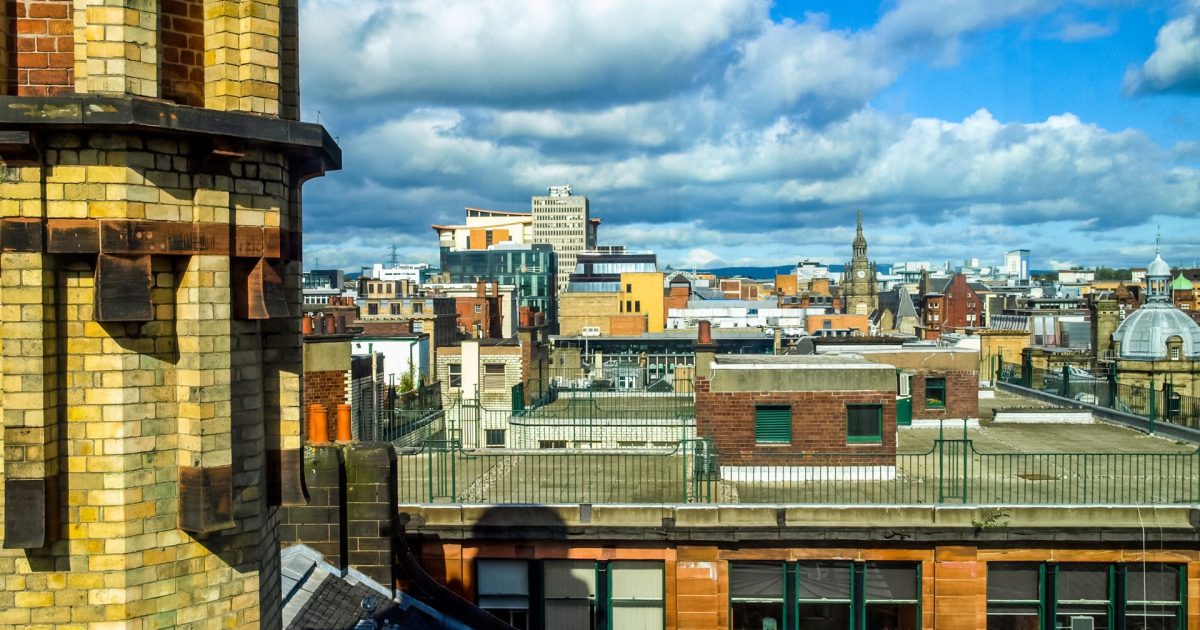
Choosing the right office in Glasgow is rarely just about location or cost. The surrounding environment—especially noise levels—can have a real impact on focus, productivity, and the overall day-to-day experience of your team. Even small differences in street activity can shape how comfortable and effective a workspace feels over time.
Two of the city’s most commonly compared business districts are Merchant City and the Blythswood area. Both are central, well-connected, and popular with a wide range of businesses, but they offer noticeably different working environments when it comes to sound, pace, and atmosphere. Understanding these differences can make a meaningful impact on long-term office satisfaction.
Below, we break down how each area compares in terms of noise, office suitability, and overall working conditions. This will help you assess which environment best aligns with your team’s working style and business needs. It also highlights why building quality can be just as important as location.
Understanding Noise in Central Glasgow Office Locations
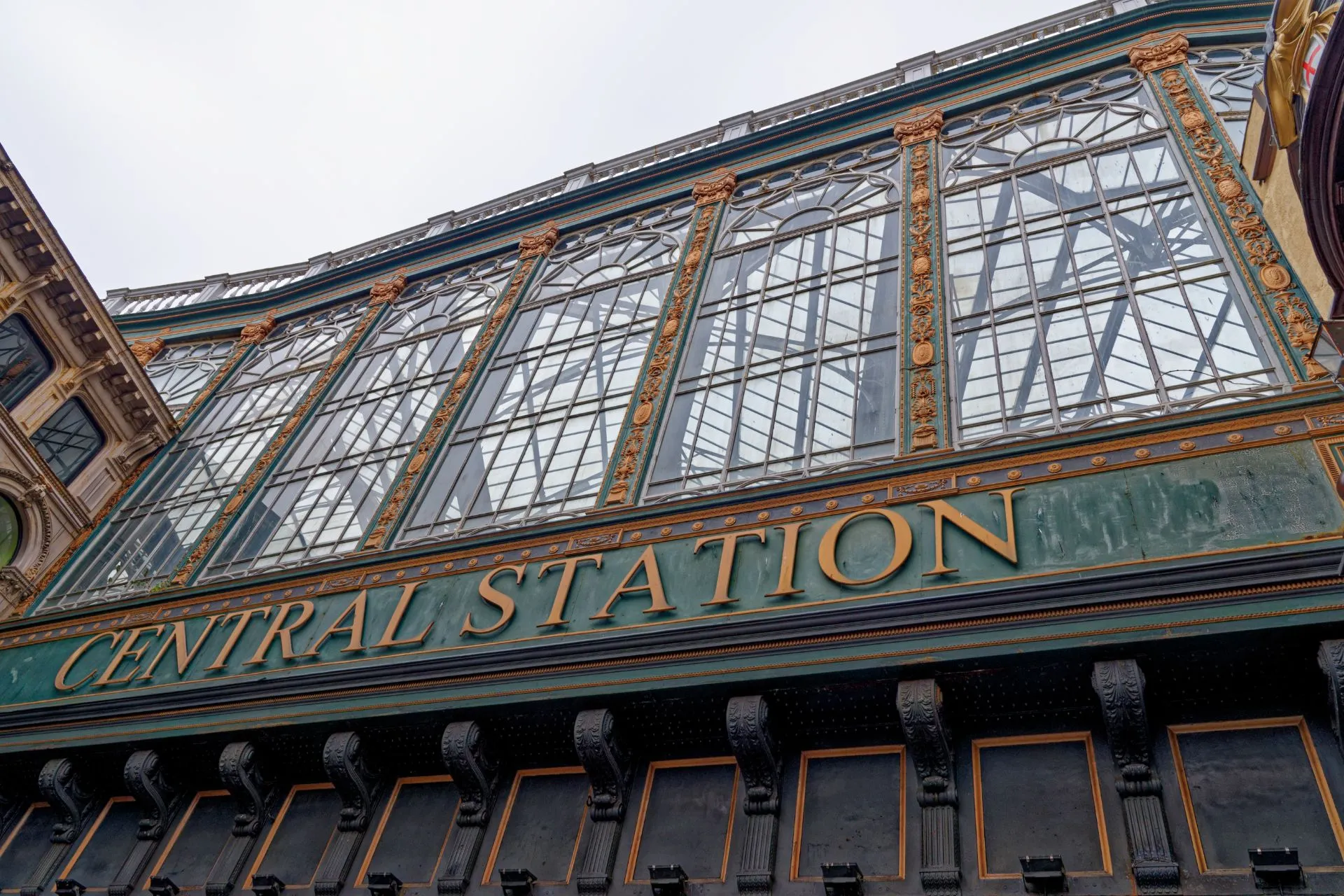
Noise in central Glasgow offices is influenced by several overlapping factors rather than a single source. Traffic, pedestrian movement, nearby hospitality venues, and delivery activity all contribute to the overall soundscape throughout the working day. These elements combine to create an environment that can feel very different depending on the exact street or building.
These conditions are rarely static and tend to shift throughout the day. Most districts experience noticeable peaks during lunchtime and early evening when footfall increases. Outside of these periods, many areas become significantly quieter and more stable.
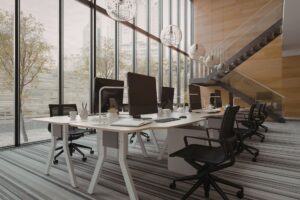
Building quality also plays a major role in how noise is experienced indoors. Modern offices with strong insulation and acoustic design can significantly reduce external sound levels. In contrast, older buildings may allow more environmental noise to filter through into the workspace.
Merchant City: Vibrant, Cultural, and Naturally Busier
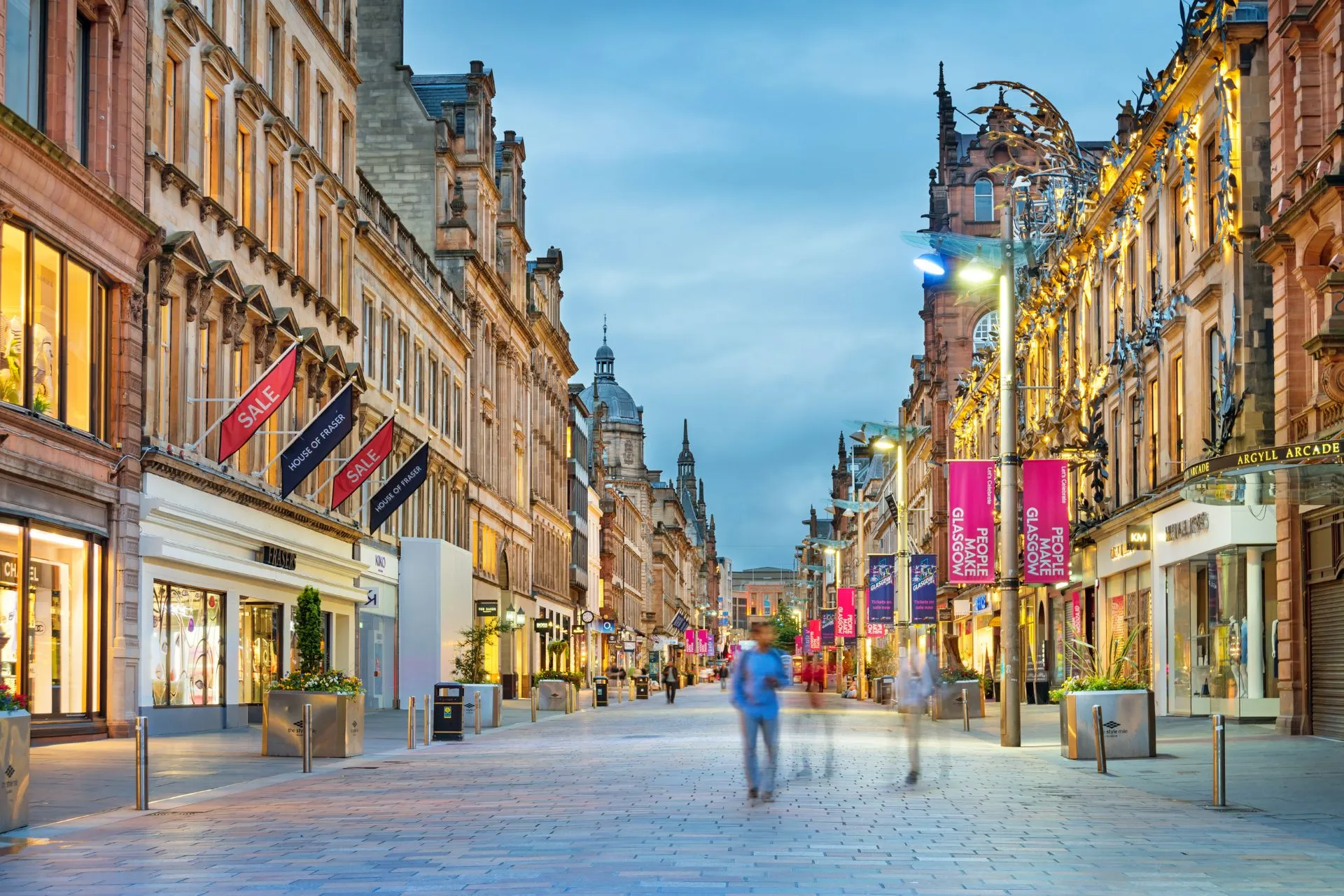
Merchant City is a lively Glasgow district known for its cafés, restaurants, and cultural venues. It has a vibrant atmosphere with more variable background noise throughout the day. This makes it appealing to businesses that value energy and an active urban setting.
1) Daytime Activity and Footfall
During the day, Merchant City experiences steady footfall from offices, retail, and hospitality venues. This creates a consistently active environment that reflects its mixed-use character. Lunchtimes are typically the busiest period, with cafés and public spaces generating noticeable but predictable spikes in activity and noise.
Outside of these peak times, the area settles into a more balanced and manageable rhythm. Offices in modern or upper-floor buildings often experience significantly reduced internal noise compared with street level. This makes day-to-day working conditions feel calmer than the surrounding environment might suggest.
2) Evening and Hospitality Influence
In the evening, Merchant City transitions into a more hospitality-led district with bars, restaurants, and cultural venues increasing street activity. This creates a noticeably livelier atmosphere than is present during core working hours. The rise in footfall and social activity can also lead to higher external noise levels in certain streets.
While this rarely impacts standard office hours, it can shape how the area feels later in the day. Businesses operating flexible hours or hosting evening meetings may notice the increase in background activity. For others, it simply adds to the area’s sense of energy and character.
3) Office Suitability and Workplace Impact
Merchant City is particularly well suited to creative industries, startups, and businesses that value a vibrant urban setting. The surrounding amenities and cultural activity support collaboration and client engagement. This creates a dynamic environment that feels connected and modern.
However, businesses that rely on deep focus or confidential work may find the variability in noise less suitable. The changing levels of activity can be distracting for teams requiring sustained concentration throughout the day. In these cases, internal office design and acoustic planning become especially important.
Blythswood: Quieter, Corporate, and More Controlled
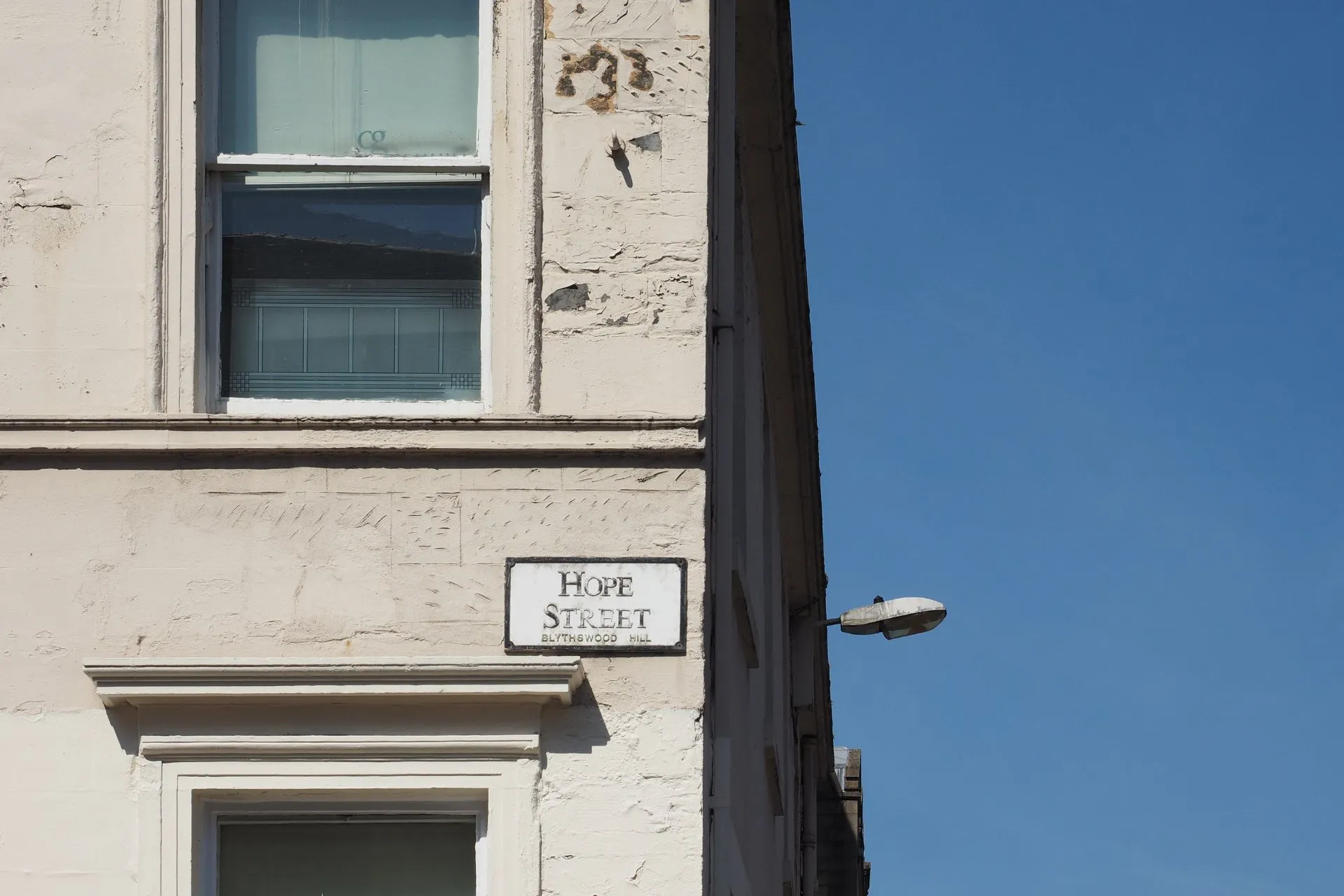
Blythswood is a formal, professional area in Glasgow city centre known for finance, law, and consultancy firms. It has a calmer, more predictable atmosphere with less entertainment or hospitality activity than busier districts. This creates a quieter, more controlled environment that suits focused office work.
1) Corporate Atmosphere and Pace
Blythswood has a strong professional identity shaped by long-established firms and corporate occupiers. This creates a structured and composed atmosphere that naturally supports focused working. The overall pace feels controlled, with a clear emphasis on efficiency and consistency.
Daily activity levels are generally steady, with fewer fluctuations than in mixed-use districts. There are no major spikes in pedestrian or leisure activity during the working day. This predictability helps create a calm and reliable rhythm for office-based teams.
2) Noise Levels and Transport Links
Noise levels in Blythswood are typically lower and more consistent than in busier entertainment-led areas. The main sources of sound are usually road traffic and occasional construction activity, which tend to be steady rather than disruptive. The absence of nightlife influence also means evenings remain relatively quiet compared with other central districts.
Despite its calmer sound environment, the area remains highly accessible and well connected. Strong transport links make commuting easy for both staff and clients. This balance of convenience and calm is one of its key advantages.
3) Suitability for Different Business Types
Blythswood is particularly well suited to professional services firms that require focus, privacy, and discretion. Legal, financial, and consultancy businesses often choose it for its controlled and composed environment. It supports work that depends on concentration and confidentiality.
It is also ideal for organisations that host regular client meetings in formal settings. The calm surroundings help reinforce a professional and credible image. Overall, it works best for structured, office-based operations that prioritise consistency over stimulation.
How Building Design Influences Perceived Noise

Office experience is shaped not only by location but also by the building itself. Modern developments with acoustic glazing, insulation, and thoughtful layout design can significantly reduce external noise. This can make even busier areas feel surprisingly quiet indoors.
Older buildings, while often characterful, may transmit more external sound if they have not been upgraded. This can affect how peaceful an office feels regardless of its location. As a result, building condition should always be assessed alongside postcode.
Internal layout also plays a role in sound control. Zoned spaces and meeting rooms help contain noise within specific areas. Open-plan layouts, while collaborative, can sometimes amplify sound if not carefully designed.
Which Area Is Better for Focused Work?

Blythswood generally provides a stronger environment for focused, uninterrupted work. Its lower external noise levels and more consistent atmosphere support concentration. This makes it particularly suitable for analytical or detail-heavy roles.
Merchant City, by contrast, offers a more energetic and stimulating setting. It can be beneficial for teams that thrive in lively environments. Creativity and collaboration may feel more natural in this context.
Ultimately, the best choice depends on how your team works rather than noise alone. Both areas can support productive offices when matched with the right business type. The key is alignment between environment and working style.
Balancing Location, Lifestyle, and Productivity
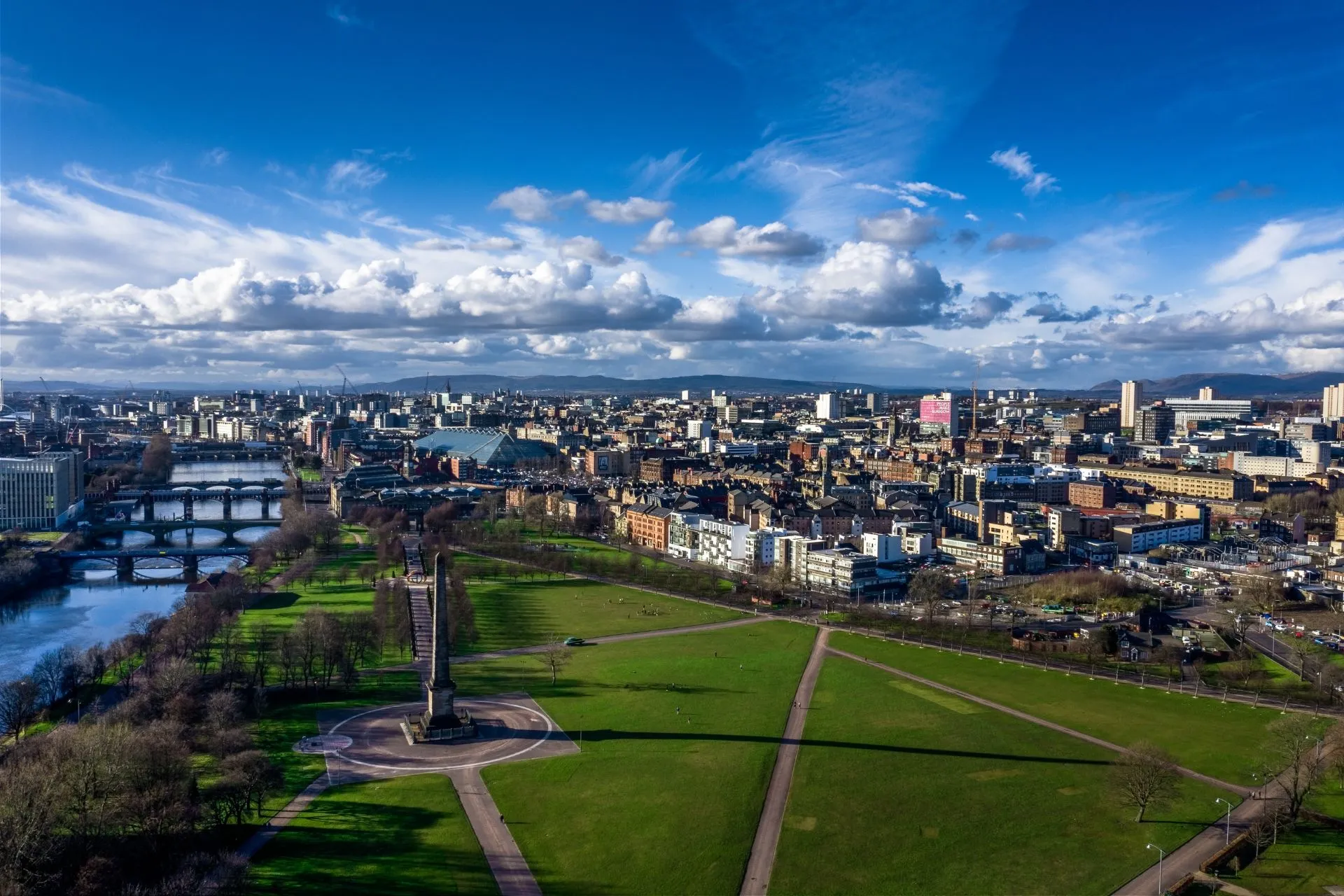
Choosing between these districts is about finding the right balance between energy and control. Some businesses prioritise access to amenities, networking opportunities, and cultural vibrancy. Others value consistency, quiet focus, and a more formal working environment.
Hybrid working has also changed how offices are used. Many teams now spend less time in the office but require higher-quality in-person collaboration spaces. This makes environment selection even more important.
Understanding these priorities helps ensure your office supports performance rather than disrupts it. It also helps avoid mismatches between business needs and workplace environment.
Summary
Both Merchant City and the Blythswood area offer strong office options, but they suit different ways of working. Merchant City delivers vibrancy and convenience, while Blythswood offers calm and consistency. The right choice depends on your operational priorities and team culture.
At Quintessential Offices, we specialise in helping businesses secure flexible, high-quality workspace solutions across Glasgow’s key districts. We work with organisations to match them with offices that fit not just their budget, but how they actually work day to day. This ensures your environment actively supports productivity and growth.
If you are considering a move or reviewing your current workspace, get in touch with Quintessential Offices today. We can help you explore office options across Glasgow that balance location, comfort, and performance in a way that works for your business.