
If you have a team of 15 and a hybrid working pattern, deciding how much office space you really need can feel surprisingly complicated. Too much space and you are paying for empty desks most of the week. Too little and the office feels cramped on your busiest days.
Hybrid working has changed the way businesses think about space. It is no longer about providing a desk for every single employee, every single day. Instead, it is about balancing collaboration, flexibility and cost in a way that suits your team.
Why Hybrid Working Changes Your Space Requirements
In a traditional set-up, you would simply allocate one desk per person and build from there. For 15 people, that might mean planning for 15 workstations plus meeting rooms and breakout space. Hybrid working shifts that calculation completely.
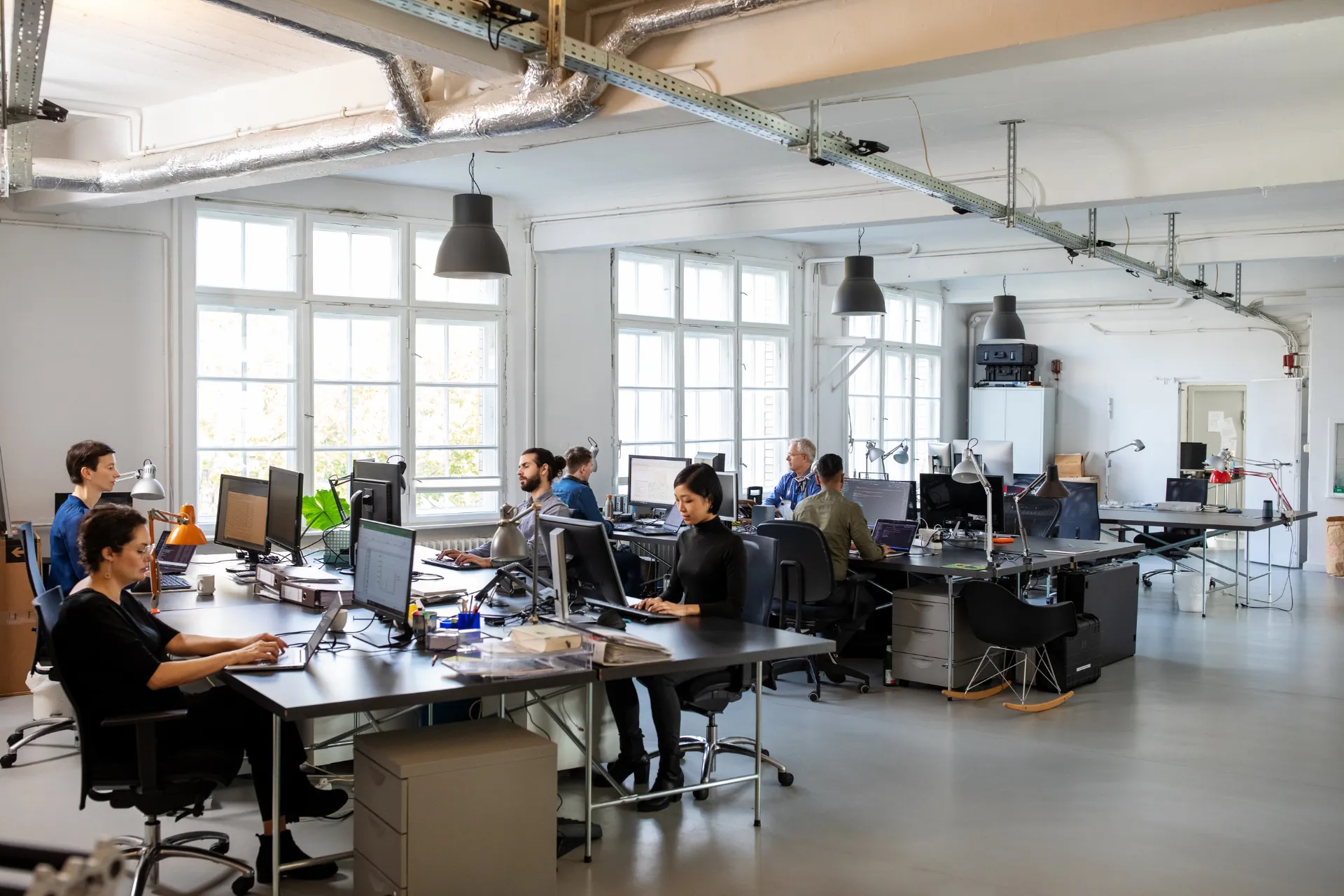
When team members split their time between home and the office, not everyone is in at once. On any given day, you might have 8 to 12 people present rather than the full 15. That gives you more flexibility in how you configure your space.
However, hybrid does not automatically mean smaller at all costs. Many teams use office days for collaboration, workshops and social connection. That can actually increase the need for meeting space, even if the number of desks is reduced.
How Many Desks Do You Really Need?
The starting point is understanding your peak occupancy rather than your headcount. If all 15 people attend the office on the same day once a week, you must be able to accommodate that comfortably. If attendance is staggered, you may need fewer permanent desks.
It helps to track attendance patterns for a few months before committing to a lease. Look at which days are busiest and how people use the space when they are in. This data gives you confidence when deciding on size.
As a rough guide, many hybrid teams of 15 operate effectively with 10 to 12 desks. The remaining team members either work remotely or use flexible seating when required. The key is making sure no one feels they are competing for space.
Key Factors That Influence the Ideal Office Size

There is no single square footage figure that suits every team. The right size depends on how your business operates and what you expect the office to deliver. These three factors are especially important.
1) Peak Attendance
Peak attendance is the highest number of people in the office at one time. Even with hybrid working, there may be anchor days when most of the team comes in. Your office must feel comfortable and functional on those days.
If 13 to 15 people regularly attend together, you should plan closer to full capacity. If the maximum is usually 10, you can size the space more efficiently. Planning around real behaviour avoids wasted rent and awkward overcrowding.
2) Type of Work
A sales-driven team may spend much of the day on calls and need quiet booths. A creative or leadership team might prioritise collaboration areas and project tables. The nature of the work influences how much space each person requires.
For focused desk-based roles, you can sometimes reduce individual workstation sizes. For collaborative roles, you may need larger shared tables and informal seating. The office layout matters just as much as the total square footage.
3) Culture and Growth Plans
Your office reflects your brand and culture. If hosting clients and partners is part of your strategy, you may want additional meeting rooms and a welcoming reception area. That requires extra space beyond simple desk calculations.
You should also consider expected growth over the next one to three years. If you plan to expand from 15 to 20 people, choosing a slightly larger space now can avoid an early move. Flexibility in your agreement can also support future change.
How Much Space per Person Is Typical?

In the UK, a common rule of thumb is between 50 and 100 square feet per person. The lower end applies to compact, desk-focused layouts. The higher end allows for generous circulation space, meeting rooms and breakout areas.
For a hybrid team of 15 with 10 to 12 desks, this might translate to around 800 to 1,200 square feet in total. That range provides space for desks, at least one meeting room and some informal seating. The exact figure depends on how you configure the layout.
It is important not to focus purely on the minimum. A cramped office can quickly undermine productivity and morale. A well-proportioned space supports collaboration and makes office days feel worthwhile.
Balancing Collaboration Space with Desk Space
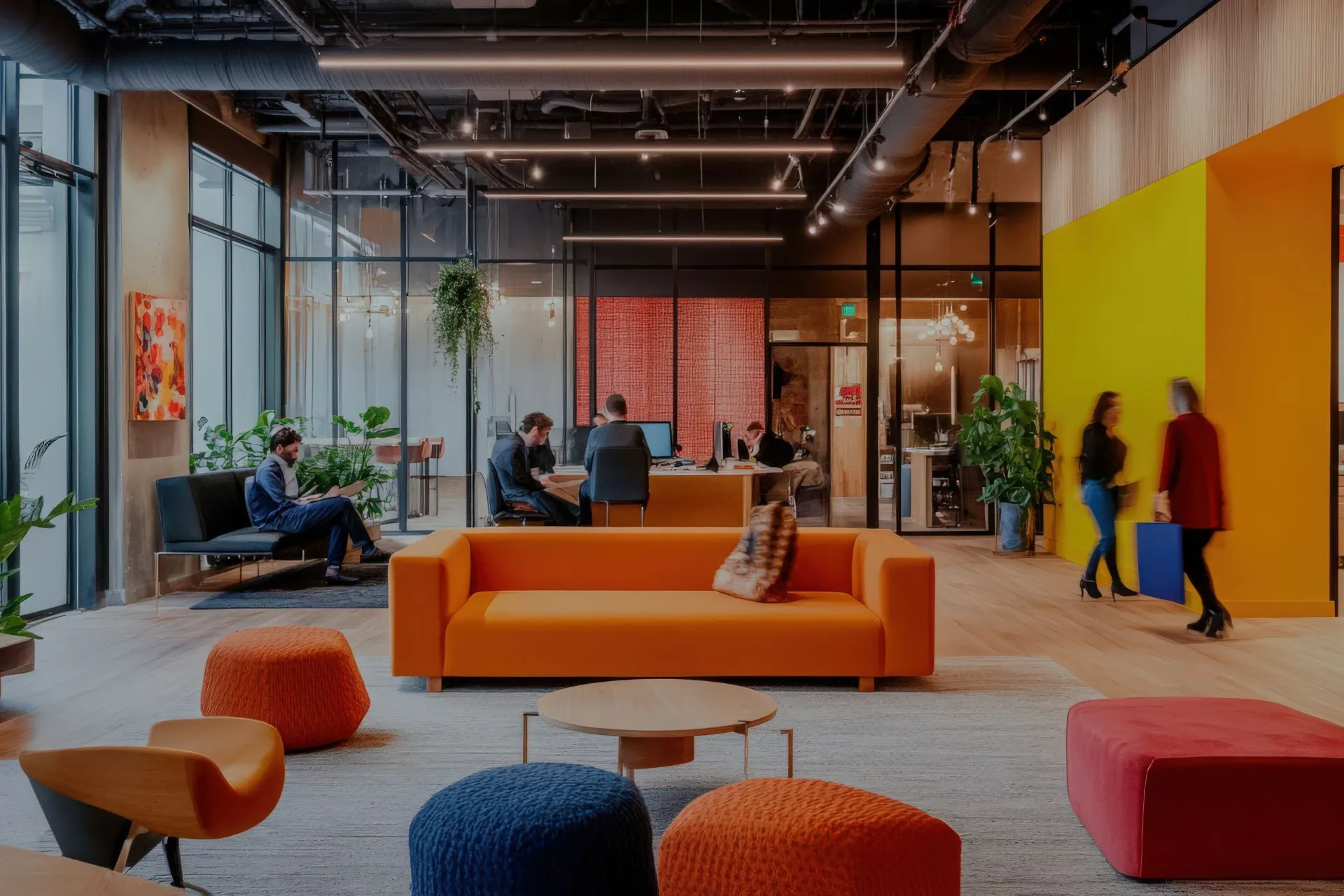
In hybrid environments, the office is often used primarily for teamwork. That means collaboration areas become more valuable than rows of permanent desks. Flexible layouts can help you make the most of your square footage.
Consider including at least one enclosed meeting room and one informal breakout area. Soft seating, shared tables and movable furniture allow the space to adapt to different needs. This flexibility reduces the pressure to oversize the office.
You can also use bookable desks or hot-desking systems. These give structure without fixing every seat to a single individual. When designed well, this approach keeps the office efficient without feeling impersonal.
Should You Choose a Flexible Workspace Instead?
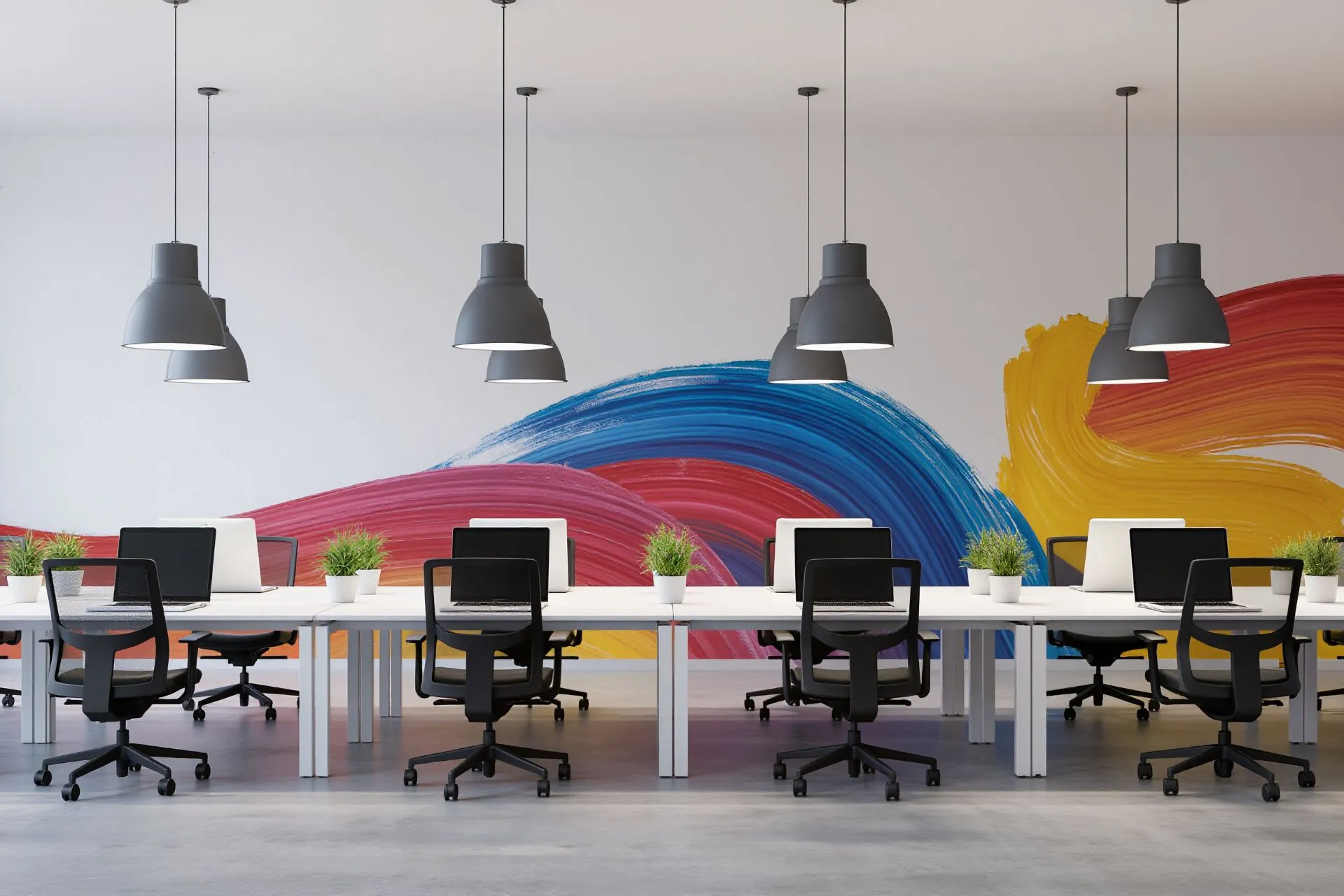
For hybrid teams, flexibility is often just as important as size. A long traditional lease can lock you into a space that no longer suits your working pattern. That can become costly if your needs change.
Flexible workspaces offer shorter commitments and adaptable layouts. You can often scale up or down as your team grows or attendance patterns shift. This reduces risk while still providing a professional environment.
For a team of 15, a managed or serviced office can simplify everything from utilities to maintenance. It also removes much of the complexity around calculating exact square footage. You focus on how the space works for your people, rather than every technical detail.
Summary
For a team of 15 with hybrid working, the ideal office size usually supports peak attendance rather than total headcount. In many cases, that means planning for 10 to 12 desks and approximately 800 to 1,200 square feet, depending on layout and collaboration needs. The right choice balances comfort, flexibility and future growth.
If you are reviewing your office requirements and want a space that adapts to hybrid working, Quintessential Offices can help. Our flexible workspace solutions are designed for growing businesses that need practicality without long-term rigidity. Get in touch with Quintessential Offices today to find the right size office for your team and your future plans.