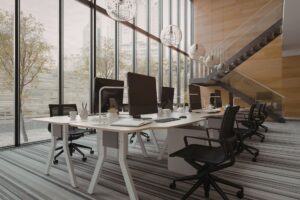
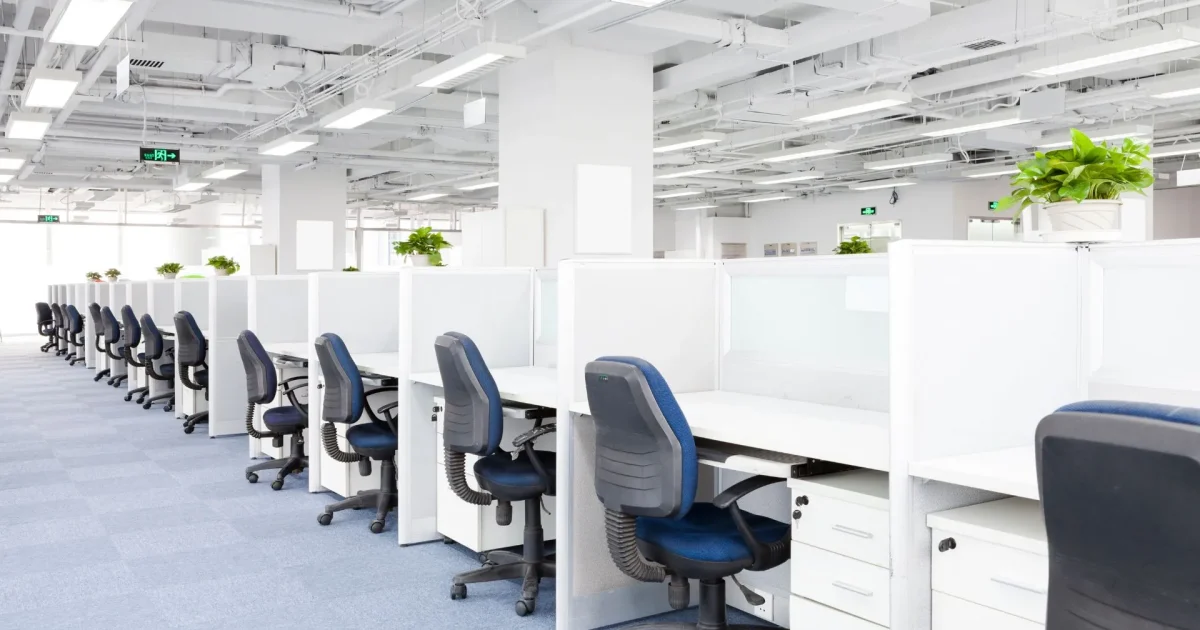
Planning to double your team is an exciting stage of growth, but it also puts pressure on your existing workspace to perform far beyond its current capacity. Future-proofing your office means creating an environment that can scale with your business without requiring constant redesigns, relocations, or costly interruptions. By thinking ahead and making intentional decisions now, you can support expansion while maintaining productivity, comfort, and operational efficiency.
Plan for Flexible Layouts from the Start
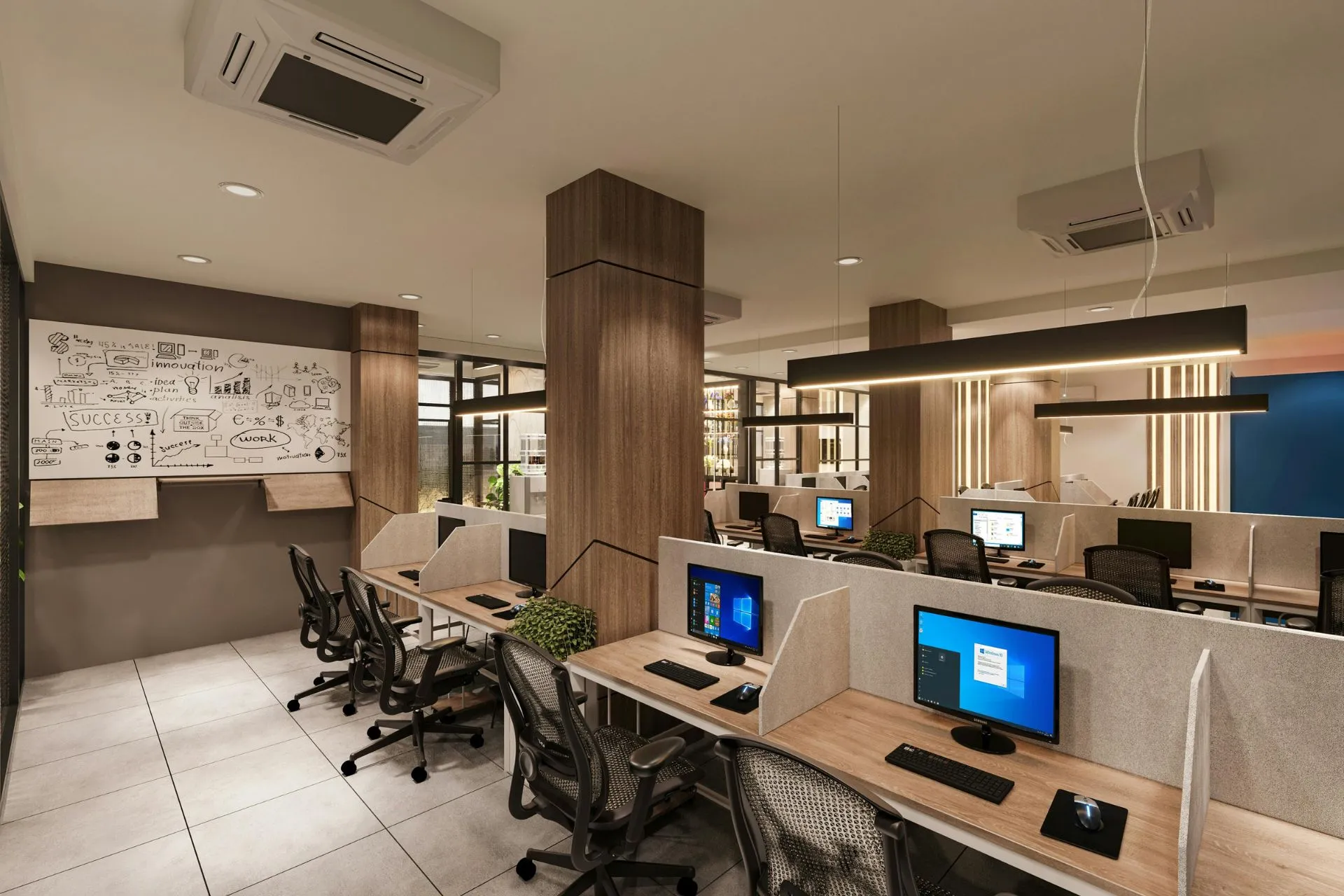
One of the most effective ways to future-proof your office is to prioritise flexibility in your layout. Fixed desk arrangements and rigid room divisions may suit your current headcount, but they can quickly become limiting as your team grows. Instead, consider modular furniture, movable partitions, and adaptable floor plans that allow you to reconfigure the space with minimal disruption.
Flexible layouts make it easier to scale teams, introduce new departments, or adjust collaboration zones as needed. For example, open-plan areas can be expanded or restructured, while hot-desking zones can accommodate fluctuating team sizes. This approach ensures your office remains functional and efficient, even as your workforce evolves over time.
By designing with adaptability in mind, you reduce the likelihood of needing major renovations or relocating prematurely. A well-planned, flexible layout allows your office to grow alongside your business rather than holding it back.
Choose a Lease That Supports Growth

1) Look for Expansion-Friendly Terms
When reviewing lease agreements, prioritise terms that give you the ability to expand within the same building or complex. Some landlords offer options to take additional space as it becomes available, which can be invaluable when your team grows faster than expected. This helps you avoid the disruption of moving to an entirely new location.
Having access to adjacent or additional units means your business can scale incrementally rather than making a single, disruptive leap. This approach allows you to remain in a familiar environment while gradually increasing your footprint in line with hiring plans. It also reduces downtime and relocation costs, which can otherwise impact productivity and cash flow during periods of rapid growth.
2) Consider Break Clauses and Flexibility
Break clauses can provide an exit strategy if your space no longer suits your needs, while shorter lease terms offer more agility. Although longer leases may provide stability, they can also limit your ability to adapt. Striking the right balance ensures you are not locked into a space that becomes unsuitable as your headcount increases.
Flexibility in lease terms gives you room to respond to changing business conditions without being tied down by long contractual commitments. If your growth accelerates or slows unexpectedly, having the option to reassess your space requirements can prevent operational strain. This level of adaptability is especially important for businesses planning significant headcount increases over a relatively short timeframe.
3) Evaluate Subletting Options
Some leases allow subletting, which can be useful if you temporarily have excess space before expanding further. This can help offset costs while maintaining flexibility during transitional periods. However, it’s important to review the conditions carefully and ensure landlord approval is clearly defined in the agreement.
Subletting can act as a financial buffer while you prepare for future growth, allowing you to optimise unused areas of your office in the meantime. It also gives you the ability to adjust your space usage dynamically, particularly if hiring timelines shift. By understanding the rules and responsibilities involved, you can use subletting as a strategic tool rather than just a fallback option.
Invest in Scalable Technology and Infrastructure
1) Build a Strong Digital Foundation
Your office infrastructure should be capable of handling increased demand without frequent upgrades. High-speed internet, reliable Wi-Fi coverage, and scalable network systems are essential for supporting a larger workforce. Cloud-based tools and platforms also make it easier to onboard new employees quickly and ensure they can access systems from day one without complex setup processes.
A strong digital foundation also reduces friction as teams grow and collaborate across departments. When systems are centralised and cloud-based, it becomes easier to manage users, maintain security, and scale operations without overhauling your entire setup. This ensures continuity and stability, even as the number of devices, users, and data demands increases significantly.
2) Plan for Power and Connectivity Needs
As your headcount grows, so will the demand for power outlets, charging stations, and connected devices. Ensuring your office has sufficient electrical capacity and well-distributed access points will prevent bottlenecks and reduce the need for constant reconfiguration. This is especially important in collaborative and tech-heavy environments where multiple devices are in use throughout the day.
It’s also worth considering how desk layouts, meeting areas, and communal spaces will affect access to power and connectivity. Thoughtful placement of outlets, floor boxes, and charging hubs can help maintain a clean, organised workspace while supporting increased usage. Planning ahead in this area helps avoid disruptive retrofits and ensures your infrastructure can comfortably support a larger, more active team.
3) Future-Proof Meeting and Collaboration Tools
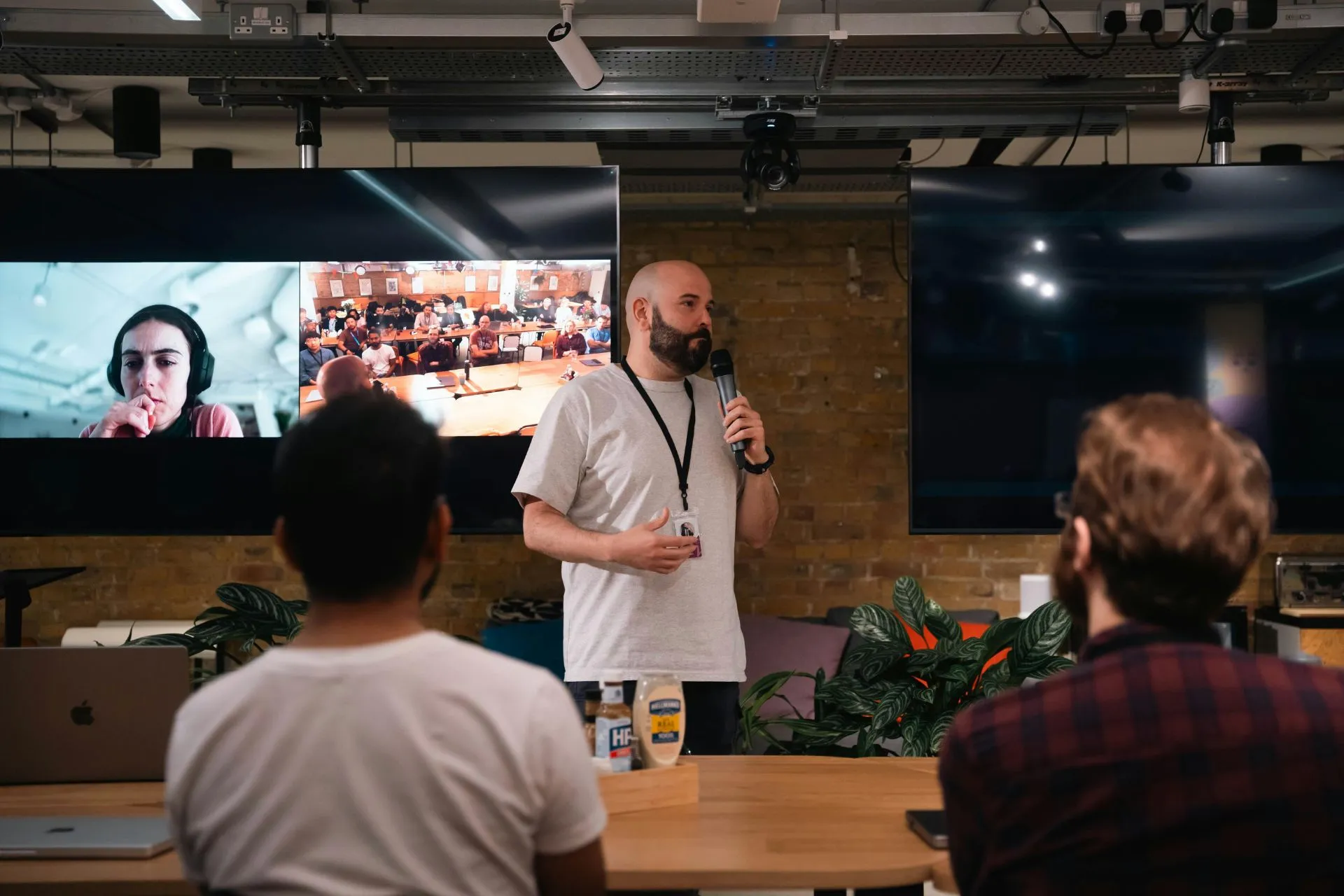
Meeting rooms should be equipped with scalable audio-visual systems, video conferencing tools, and flexible seating arrangements. As teams grow, meetings become more frequent and more complex, so having reliable and adaptable collaboration technology in place ensures smooth communication across departments and locations.
Investing in future-ready collaboration tools also improves productivity and inclusivity, particularly for hybrid or remote team members. Features such as wireless screen sharing, integrated conferencing platforms, and easy-to-use interfaces help reduce setup time and technical issues. By standardising these tools across your office, you create a consistent and efficient meeting experience that can scale alongside your organisation.
Create Multi-Use Spaces
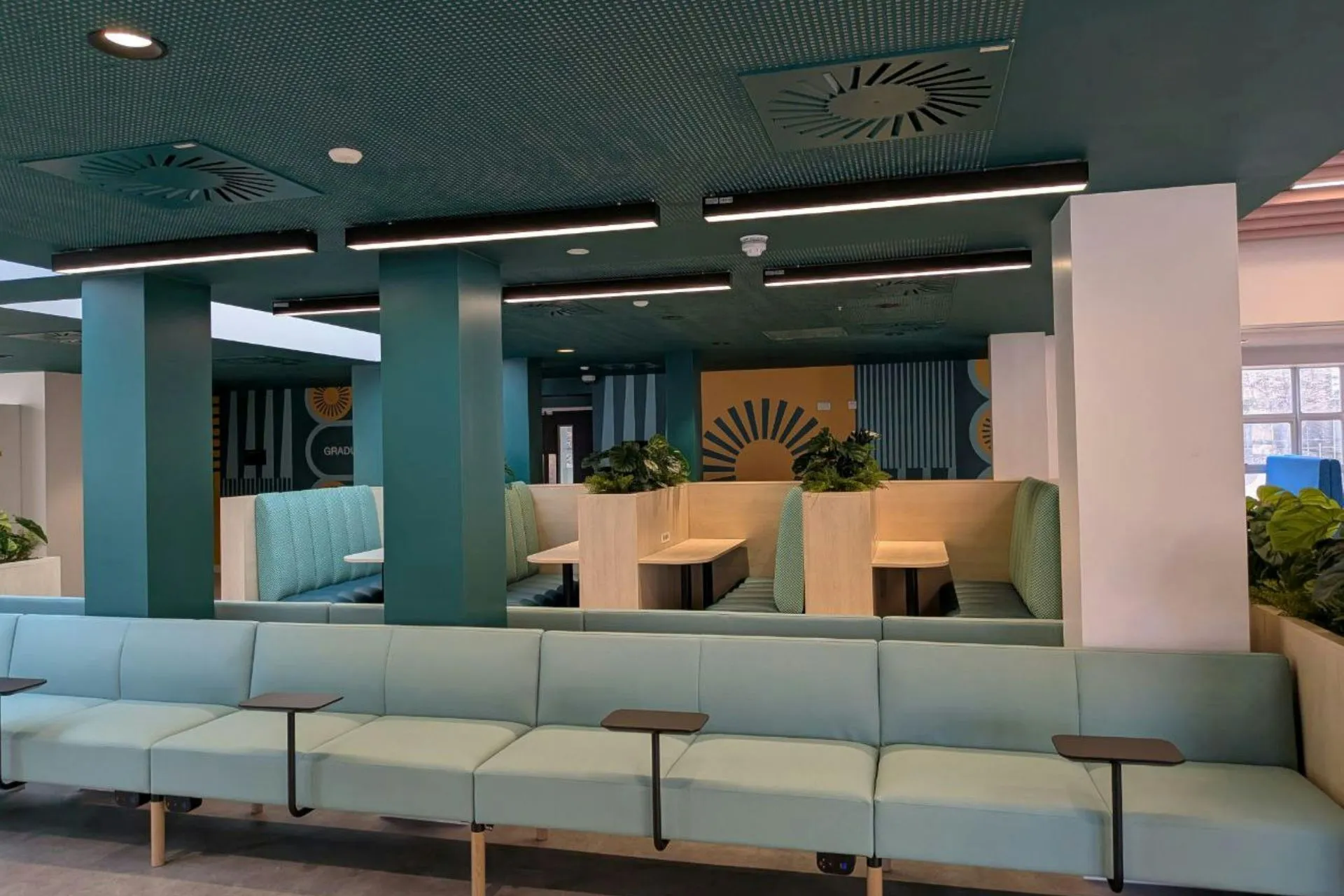
Designing multi-purpose areas is a smart way to maximise your available space while preparing for growth. Instead of assigning single functions to each room, consider how spaces can serve multiple roles throughout the day. A meeting room, for instance, could double as a training space, while a breakout area might also function as an informal collaboration zone.
This kind of versatility allows your office to adapt as your team expands, without requiring additional square footage. It also helps you make better use of every part of your workspace, ensuring no area becomes underutilised or obsolete over time.
By embracing multi-use design, you create a more dynamic and resilient office that can respond quickly to changing operational needs.
Prioritise Employee Experience as You Scale
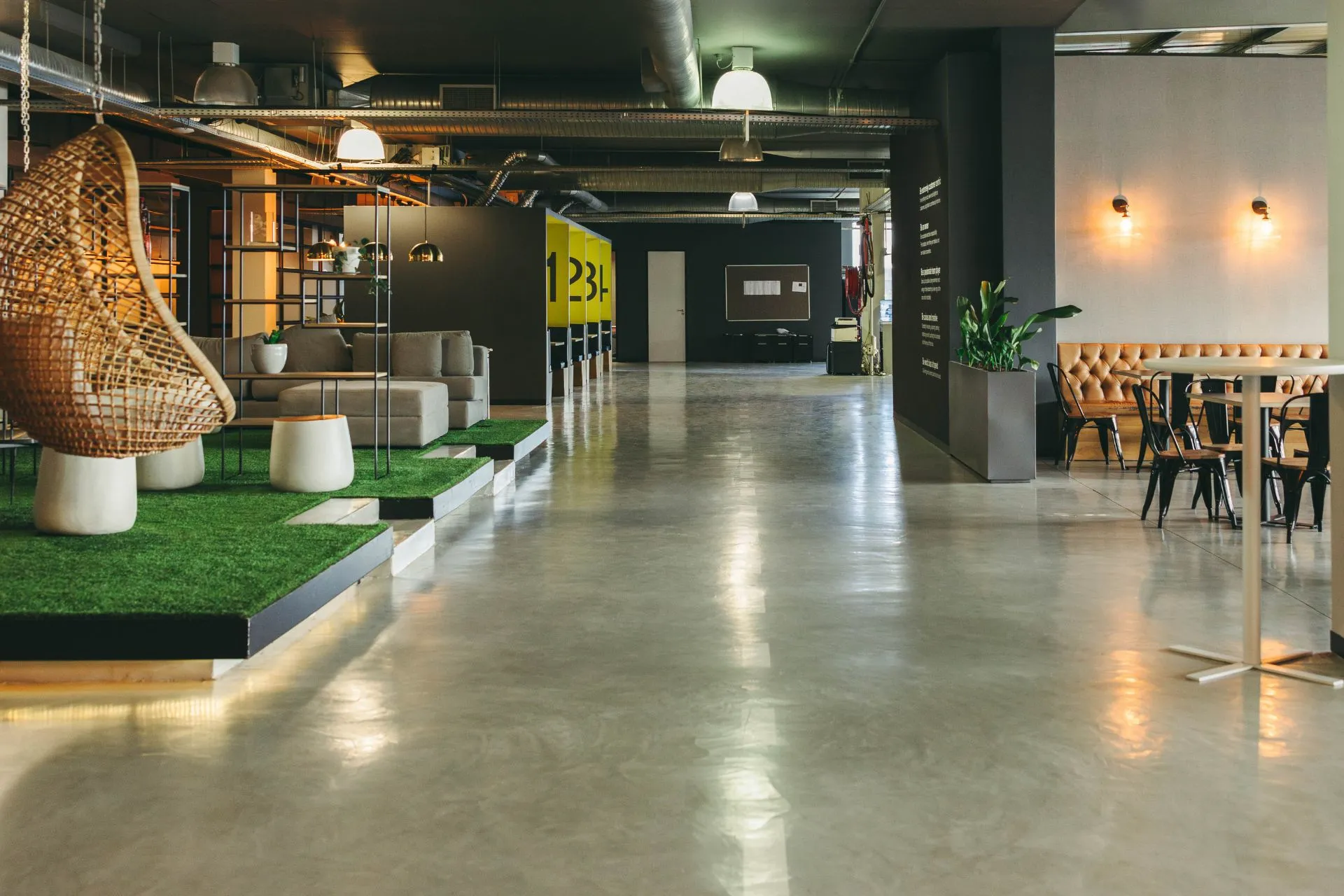
As your team grows, maintaining a positive employee experience becomes increasingly important. A crowded or poorly designed office can quickly impact morale, productivity, and overall satisfaction. It’s essential to ensure that your workspace continues to provide comfort, functionality, and a sense of balance even as occupancy increases.
This includes maintaining adequate lighting, ventilation, and acoustics, as well as providing sufficient breakout areas and quiet zones. Thoughtful design choices can help reduce noise, improve focus, and create a more enjoyable working environment for everyone on the team.
By prioritising employee wellbeing alongside growth, you ensure that your office remains a place where people can perform at their best, even as your organisation scales.
Summary
Future-proofing your office is about preparing for growth in a way that feels seamless rather than disruptive. With the right combination of flexible layouts, scalable infrastructure, and growth-friendly lease terms, you can create a workspace that evolves alongside your business.
If you’re planning to expand and want a workspace that’s designed to grow with you, partnering with a provider like Quintessential Offices can help you find flexible, well-equipped office solutions that support your long-term plans while keeping your operations running smoothly. Get in touch today to explore your options.