

Moving offices can feel overwhelming, but it doesn’t have to drain your budget if you plan ahead and make smart choices along the way. By understanding where costs typically arise, you can make decisions that keep your move efficient, organised, and cost-effective from start to finish. With the right strategies in place, your business can transition smoothly without compromising quality or productivity. These ten practical tips will help you stay in control and avoid unnecessary expenses during your upcoming office move.
1) Plan Early and Set a Clear Moving Budget

The best way to keep moving costs under control is to start planning well before you need to make the transition. Early planning helps you compare quotes, schedule suppliers at better rates, and avoid last-minute expenses that often inflate budgets unnecessarily. When paired with a dedicated cost plan, your business gains better visibility and prevents small oversights from becoming more expensive problems later.
Create a Forward-Looking Timeline
A well-structured moving timeline gives your business enough breathing room to evaluate professional movers, coordinate teams, and secure the most competitively priced services available. By breaking tasks into clear milestones, you minimise the likelihood of unexpected delays that can force premium or rush fees. Consistent check-ins with your internal team ensure tasks progress smoothly and keep everyone aligned throughout the process.
Effective timelines also help you identify which tasks can be done in-house rather than outsourced, reducing labour costs significantly. When your team understands expectations ahead of time, they can prepare materials, organise files, and complete tasks without additional pressure. This forward-thinking approach prevents rushed decisions and reduces the chance of paying for last-minute assistance you could have avoided.
Set Spending Limits for Each Stage
Assigning maximum budgets to different phases of the move helps you understand where your money is going and ensures you avoid unnecessary overspending. A segmented budget also lets you see which areas require more financial attention, helping you choose sensible alternatives before costs escalate. Regularly reviewing your spending as you progress ensures accountability and supports informed decision-making when unexpected needs arise.
With clear spending limits, you can negotiate confidently with vendors, knowing precisely how much flexibility you have without compromising your overall budget. It also encourages suppliers to provide tailored, cost-friendly options when they know you are working within defined boundaries. Ultimately, establishing these limits protects your financial resources and ensures your move remains structured and cost-efficient.
2) Compare Multiple Removal Companies

Working with the right removal company can significantly impact your budget, so it’s important to compare several options before choosing. Each provider offers a different mix of pricing, services, and availability, and reviewing these differences helps you find the best value. Being thorough in your research prevents overspending on unnecessary extras and gives you confidence that you’ve chosen an experienced team for the job.
Request Detailed Quotes from Several Providers
Requesting multiple quotes ensures you understand the price range for your type of move and helps you identify any unusually high or low estimates. A detailed breakdown also highlights hidden charges, such as weekend rates, packing fees, or equipment surcharges, which can inflate your final bill. When you compare these properly, you can select a company that offers transparency and value without sacrificing quality.
You can also use competing quotes to negotiate more favourable terms, as many removal companies are willing to match or improve pricing to win your business. This proactive approach empowers you to make financially sensible choices while maintaining a high standard of service. Comparing quotes also demonstrates professionalism and preparedness, which often encourages providers to offer better support throughout the move.
Check What Services Are Included
Not all removal packages offer the same benefits, so it’s important to review exactly what each company provides before signing an agreement. Some companies may include packing materials and furniture disassembly at no extra cost, while others may charge additional fees for basic assistance. By understanding these inclusions, you ensure you only pay for the services you genuinely need.
Knowing what’s included also helps you avoid duplicate spending on supplies or labour your team could have handled internally. When services are clearly defined, you can allocate tasks more efficiently and control the move’s overall cost. Moreover, companies that provide inclusive packages often offer smoother coordination, saving you time and reducing disruptions during your transition.
3) Declutter Before You Move

One of the easiest ways to reduce your moving expenses is to declutter and remove items you no longer need. The fewer possessions you transport, the less you pay for labour, packing, and vehicle space, making this step a highly effective money-saver. Decluttering also ensures your new office begins fresh, organised, and free from unnecessary clutter that may have accumulated over time.
Sort Items Room-by-Room
A room-by-room approach helps your team stay focused and reduces the stress of trying to organise everything at once. By breaking the process into manageable areas, you can make thoughtful decisions about what to keep and what to discard. This structured method also reveals duplicate or outdated items that no longer benefit your daily operations.
It also helps you identify large furniture or equipment that may be costly to move compared to replacing with more efficient alternatives. When your staff participate in the decluttering effort, they gain ownership over the process and help reduce the amount of unnecessary bulk that needs to be transported. This saves both time and money during the move and leads to a cleaner, more functional workspace.
Dispose, Donate, or Sell Unneeded Items
Donating items that no longer serve your business is a meaningful way to support local charities while keeping them out of landfill. It also reduces the volume of belongings you need to move, which directly lowers transportation and labour costs. Many organisations accept office equipment, allowing you to make a positive community impact while saving money in the process.
Selling high-quality used furniture or electronics can quickly generate extra funds that can be reinvested into your moving budget. This not only offsets expenses but also prevents functional items from going to waste. Marketplaces and resale companies offer convenient ways to list these items, helping you streamline the transition without unnecessary clutter.
Disposing of broken or outdated equipment ensures you don’t waste resources transporting items you will simply discard later. Responsible recycling protects the environment and keeps your new office space clean and organised from the start. By committing to this approach early, you avoid unnecessary labour fees and reduce the overall cost of your move significantly.
4) Move During Off-Peak Times

Scheduling your move during quieter periods can greatly reduce costs because many removal companies offer discounted rates when demand is low. Off-peak moves also allow for smoother coordination and faster completion, as roads and service providers tend to be less busy. This approach not only saves money but also creates a more relaxed transition for your entire team.
Avoid Weekends and Month-End Rush
Movers typically experience higher demand at weekends and at the end of each month, which naturally increases pricing due to limited availability. By selecting a weekday or mid-month date, you can often access more competitive rates and greater scheduling flexibility. This helps you secure more affordable options while reducing the pressure associated with fully booked periods.
Moving during quieter times also allows your movers to work more efficiently, as they encounter fewer logistical challenges and delays. This improved efficiency can shorten the amount of billable time required, helping you avoid extended hourly charges. Additionally, booking early during these quieter windows gives you more control over timing and ensures your move feels organised rather than rushed.
Take Advantage of Mid-Week Discounts
Some removal companies offer reduced pricing for Tuesday or Wednesday moves because these days tend to be the least busy of the week. This makes them ideal for businesses trying to minimise disruption while keeping costs manageable. When you plan around these discounts, you make your move more predictable and budget-friendly.
Mid-week moves also tend to align well with staff availability, as most people are already in their normal work routines and can assist with minor tasks. This reduces the need for outsourcing small jobs and helps keep the process moving smoothly. A well-timed move not only saves money but also helps employees settle into the new workspace more quickly and comfortably.
5) Pack Smart and Use What You Already Have

Packing efficiently is a simple but powerful way to cut unnecessary moving costs, especially if your business already has supplies on hand. By reusing materials and organising your packing strategy in advance, you reduce the need to purchase extra boxes or professional packing services. This approach keeps the process environmentally friendly while helping you stretch your moving budget further.
Use In-House Materials Before Buying Anything
Before investing in new supplies, check what packing materials you already have in your office. Items like storage boxes, reusable crates, filing bins, and sturdy containers can often be repurposed to protect equipment during the move. By leveraging what you already own, you lessen the need for expensive speciality materials while keeping waste to a minimum.
It also gives your team a chance to organise files, stationery, and small equipment more efficiently before departure. When employees pack their own desks and personal items using office resources, the business saves significantly on labour. A well-prepared staff means fewer delays and ensures you don’t overspend on packing services that could have been avoided.
Organise Items into Logical Categories
Categorising items ensures they are handled correctly and reduces the likelihood of needing costly replacements due to damage. Grouping similar items also helps movers load equipment safely and efficiently, lowering the risk of breakages. This level of organisation streamlines both packing and unpacking, making the transition more cost-effective overall.
When your team sticks to a clear classification system, it becomes easier to identify which items can be transported together to save space. Proper categorisation can also limit the number of boxes required, which directly reduces your transportation costs. This structured method benefits every stage of the move and improves overall efficiency.
A category-based approach also simplifies unpacking, reducing the time spent settling into your new space. Fewer delays mean your team can return to normal productivity much sooner, preventing extended downtime costs. Well-organised packing ultimately supports a smoother and more economic relocation.
6) Label Everything Clearly

Clear labelling may seem simple, but it plays a major role in ensuring your move stays organised, efficient, and cost-effective. It reduces confusion for both your team and the movers, preventing unnecessary handling that can lead to damage or misplaced items. Proper labelling also speeds up unpacking, helping your business resume normal operations more quickly.
Create a Colour-Coded System
A colour-coded system makes it easier to identify which items belong to specific departments or areas within the new office. This reduces the time movers spend asking where things should go, which lowers your total labour charges. When boxes arrive in the correct locations immediately, your team can unpack more efficiently and begin settling in sooner.
Colour-coding also helps prevent important items from being misplaced or overlooked during transport. With clear visual indicators, you avoid accidental mix-ups that could lead to delays or replacement costs. This method enhances overall organisation and keeps the moving process running smoothly.
Include Detailed Labels on Every Box
Detailed labels help movers handle items appropriately and reduce the risk of fragile belongings being damaged. Writing clear descriptions also allows your team to prioritise unpacking, focusing first on essential items needed to restart operations quickly. This makes the settling-in process much more manageable and cost-efficient.
Knowing what’s inside each box prevents unnecessary rummaging, which can waste time and increase frustration. It also encourages better accountability, as staff can track their belongings more easily throughout the move. Detailed labelling supports both accuracy and speed, contributing to a more organised and budget-friendly transition.
7) Consider a Partial DIY Move

Taking on part of the moving responsibilities yourself can significantly cut costs, especially if you have a capable team willing to assist. While it may not be practical to handle everything internally, combining professional support with in-house effort can strike a perfect balance. This hybrid approach gives you more control over your budget while ensuring essential tasks are completed safely.
Assign Simple Tasks to Staff Members
Your staff can assist with packing, organising personal workspaces, and labelling items to reduce the amount of labour required from professional movers. This participation helps streamline the process and ensures that everyone knows where their belongings are throughout the transition. The result is fewer billable hours needed from external providers, which can significantly reduce your expenses.
Involving your team also promotes ownership and cooperation, helping the move feel more organised and unified. Employees are more likely to pack efficiently when they manage their own items, preventing delays and unnecessary repacking. This collective effort strengthens teamwork and improves overall efficiency during the office move.
Use Professional Movers Only for Heavy Items
Hiring professionals exclusively for bulky or fragile items ensures they are handled safely without risking damage or injury. It also saves money since you only pay for expert help in the areas where it’s genuinely needed. This selective approach maximises value while minimising total moving costs.
Professional movers are trained to transport large equipment, which reduces the chance of accidents that might lead to costly repairs. This means your business avoids unexpected expenses associated with handling items internally. By limiting their role to essential tasks, you maintain financial control throughout the move.
Focusing professional support on key areas ensures the most challenging parts of the move are completed quickly and safely. This allows your staff to manage lighter tasks without pressure or risk. The overall result is a safer, more efficient, and more affordable relocation.
8) Negotiate Moving Contracts and Services

Many businesses are unaware that moving contracts can often be negotiated, and doing so can lead to meaningful savings. Removal companies understand that clients compare options, so they are frequently willing to adjust pricing or remove non-essential charges. Negotiating terms ensures you receive a fair deal while keeping your move aligned with your financial goals.
Ask About Price Matching or Bundled Services
Some companies offer bundled packages that combine packing, transport, and assembly services at a discounted rate. Bundling reduces the total cost compared to purchasing services separately, helping you stay within budget. It also simplifies coordination, as one provider handles multiple aspects of the move.
Asking for price matching can also lead to lower rates, especially if you present competing quotes. Many providers will adjust pricing to secure your business, making this a valuable negotiating tactic. This open communication encourages transparency and fosters a cooperative working relationship.
Clarify All Fees and Optional Charges
Requesting a clear breakdown of potential fees helps you avoid unexpected charges that could inflate your final bill. This detailed approach ensures you pay only for what you need and nothing more. Being thorough protects your budget and helps maintain full control over your expenses.
Optional services such as packing materials or furniture assembly may not always be necessary, so reviewing them carefully prevents overspending. Understanding these add-ons allows you to choose only the support that genuinely benefits your business. This keeps your moving package streamlined and cost-effective.
Transparency around fees also promotes trust between you and your chosen provider, laying the foundation for a smoother experience. When both parties know what to expect, the process becomes more predictable and less stressful. This clarity ultimately saves you both time and money throughout the relocation.
9) Reuse and Repurpose Old Furniture
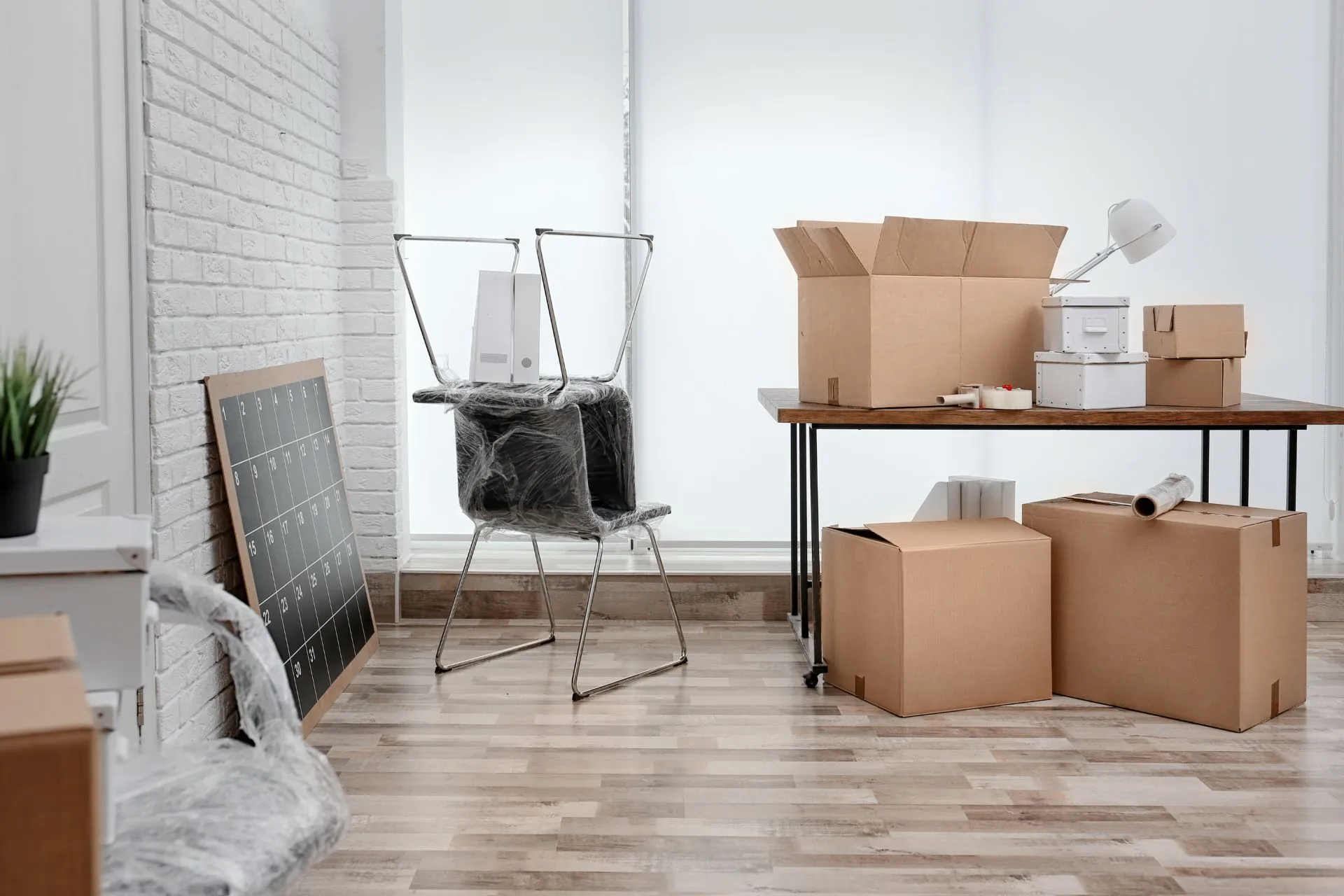
Buying new furniture during an office move may feel tempting, but reusing what you already have can significantly reduce costs. Many existing pieces can be refurbished, cleaned, or adapted to fit your new workspace without requiring major investment. This approach not only saves money but also supports sustainability by reducing waste.
Refurbish Instead of Replace
Refurbishing desks, chairs, or storage units is often far cheaper than buying new ones, especially if the core structure is still in good condition. A quick repair or professional cleaning can give existing furniture a fresh look suitable for your new office. This approach keeps your budget healthy while still delivering a visually appealing workspace.
Repurposing items can also spark creative solutions that better suit the layout of your new office. For example, an unused table can become a collaboration area or document-sorting station. By thinking resourcefully, you reduce waste and make the most of what your business already owns.
Evaluate What Fits the New Office Layout
Taking measurements and comparing them with your new floor plan helps you decide which furniture is worth keeping. This prevents you from transporti ng oversized items that won’t fit or be useful in the new space. Avoiding these mistakes saves you money on moving costs and reduces clutter in your new office environment.
Planning ahead also helps you identify if rearranging certain pieces could make them more functional. When you approach furniture with a flexible mindset, you often find new uses for existing items. This ensures you spend wisely and avoid unnecessary purchases during your move.
10) Reduce Downtime with Smart Scheduling

Minimising downtime during your move is crucial to avoiding revenue loss and controlling additional labour costs. A well-planned schedule ensures your team stays productive, even during the transition, and helps you maintain business continuity. This forward-thinking approach saves money and keeps your operations running smoothly.
Coordinate Move Day Around Working Hours
Organising the move for a time when your business is naturally less busy helps reduce disruptions. When fewer employees are affected, productivity remains higher and operational losses stay low. Planning around quieter periods creates an efficient workflow and ensures your move feels organised and streamlined.
This approach also allows you to allocate staff more strategically, ensuring only essential personnel are involved on the day. When responsibilities are clearly delegated, the process runs smoothly and avoids unnecessary confusion. This contributes to a faster and more cost-effective move overall.
Prepare Staff with Clear Instructions
Providing staff with detailed instructions ensures everyone understands their role before, during, and after the move. This preparation prevents delays and reduces the risk of costly mistakes. A well-informed team always contributes to a more efficient moving process.
Clear communication also supports morale by helping employees feel confident and prepared. When everyone understands expectations, they can work together more effectively and stay productive throughout the transition. This level of organisation helps keep overall costs down and ensures a smooth relocation.
How We Chose These Cost-Saving Strategies
- Identified Common Pain Points – Reviewed typical challenges businesses face during office moves.
- Reviewed Practical Industry Advice – Looked at guidance from removal experts and workspace planners.
- Prioritised Financial Savings – Chose methods proven to deliver the greatest cost reductions.
- Compared Both Operational Views – Considered insights from both business managers and relocation providers.
Summary
Planning a cost-efficient office move is entirely achievable when you take a proactive and organised approach. By focusing on strategies that reduce unnecessary expenses, streamline logistics, and empower your team to contribute effectively, your business can transition smoothly without straining your budget. These practical, well-tested methods ensure you stay in control at every stage of your relocation while creating a positive move-in experience for everyone involved.
With thoughtful preparation, smart scheduling, and a clear understanding of where savings can be made, your office move can be both economical and stress-free. Each step you take to plan early, compare options, and negotiate confidently helps you stay financially grounded while setting your business up for long-term success. For more guidance, expert insights, or flexible workspace solutions during your relocation, contact Quintessential Offices today.