The workplace is evolving rapidly, and 2026 is set to bring fresh approaches to office design that encourage employees to return. Offices are no longer just spaces for desks and computers—they’re environments that foster creativity, collaboration, and wellbeing. Businesses are recognising that thoughtful design directly impacts staff engagement, productivity, and retention. By understanding the latest trends, employers can create spaces that are not only functional but also inviting and inspiring.
1) Flexible Workspaces
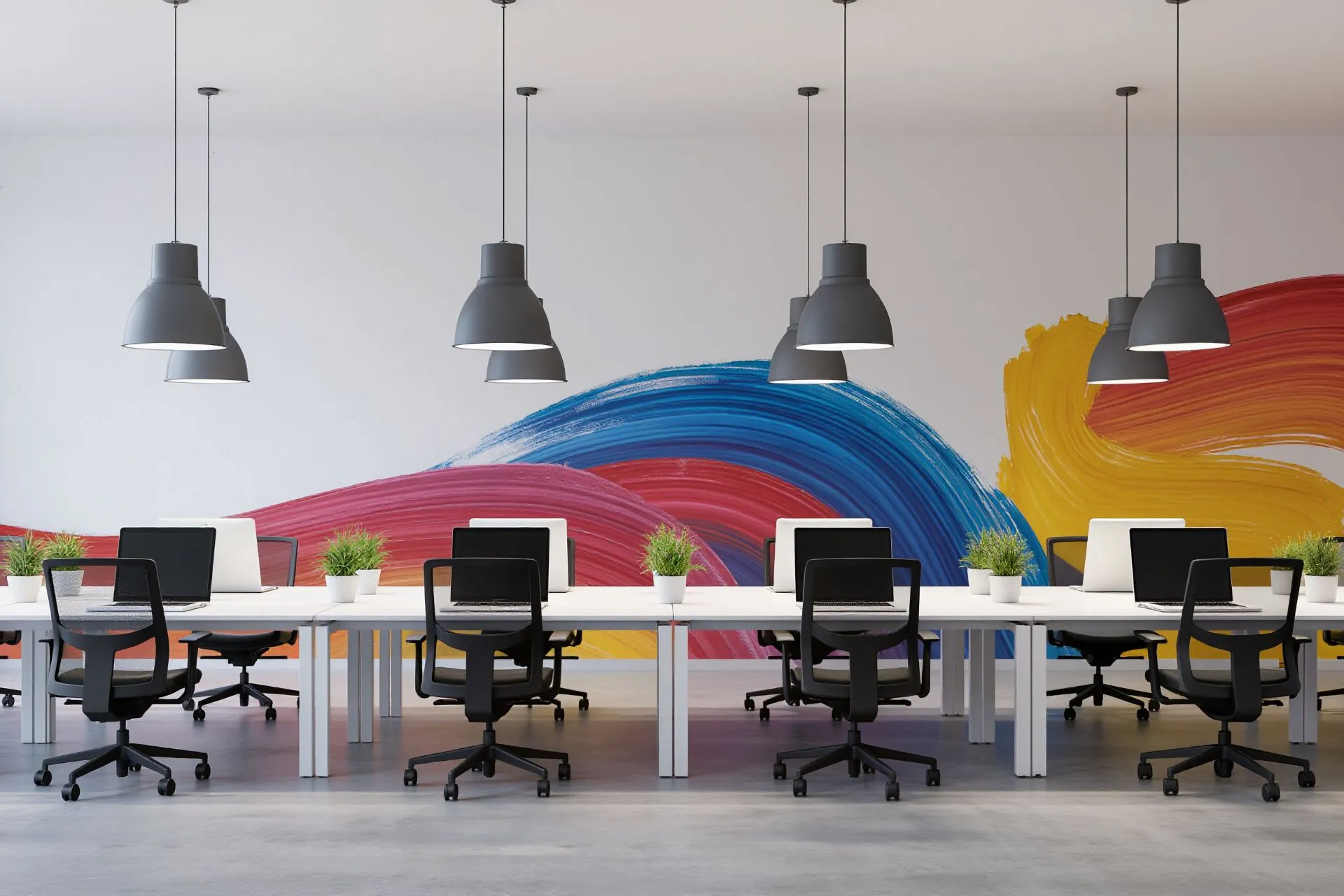
Flexible workspaces are becoming a cornerstone of modern office design, allowing employees to choose how and where they work within the office. These adaptable areas accommodate a mix of focused work, collaborative sessions, and social interaction. By integrating mobility and choice, offices can better support hybrid working patterns and changing team dynamics.
Activity Zones for Collaboration
Designing specific zones for different activities encourages movement and interaction. Open lounges, breakout pods, and quiet corners allow staff to shift between collaborative and focused tasks with ease. These areas reduce distractions while promoting organic communication and creativity across teams.
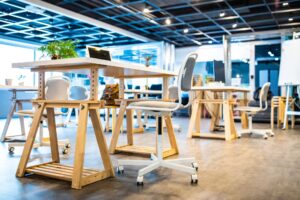
Flexible furniture plays a key role in creating adaptable spaces. Lightweight desks, modular seating, and movable partitions make it simple to reconfigure areas according to project needs. This flexibility also ensures that offices can accommodate fluctuating staff numbers without a costly renovation.
Hybrid Meeting Solutions
Meeting rooms are now equipped to support both in-person and remote participants seamlessly. Video conferencing tools, integrated screens, and smart scheduling systems make hybrid collaboration smooth and efficient. This ensures all team members, whether in the office or at home, feel equally included.
Smart layouts enhance the overall flow of the office. Arranging meeting areas near central collaboration zones reduces travel time and encourages spontaneous discussions. Additionally, acoustic panels and visual dividers help maintain privacy without isolating team members completely.
2) Biophilic Design
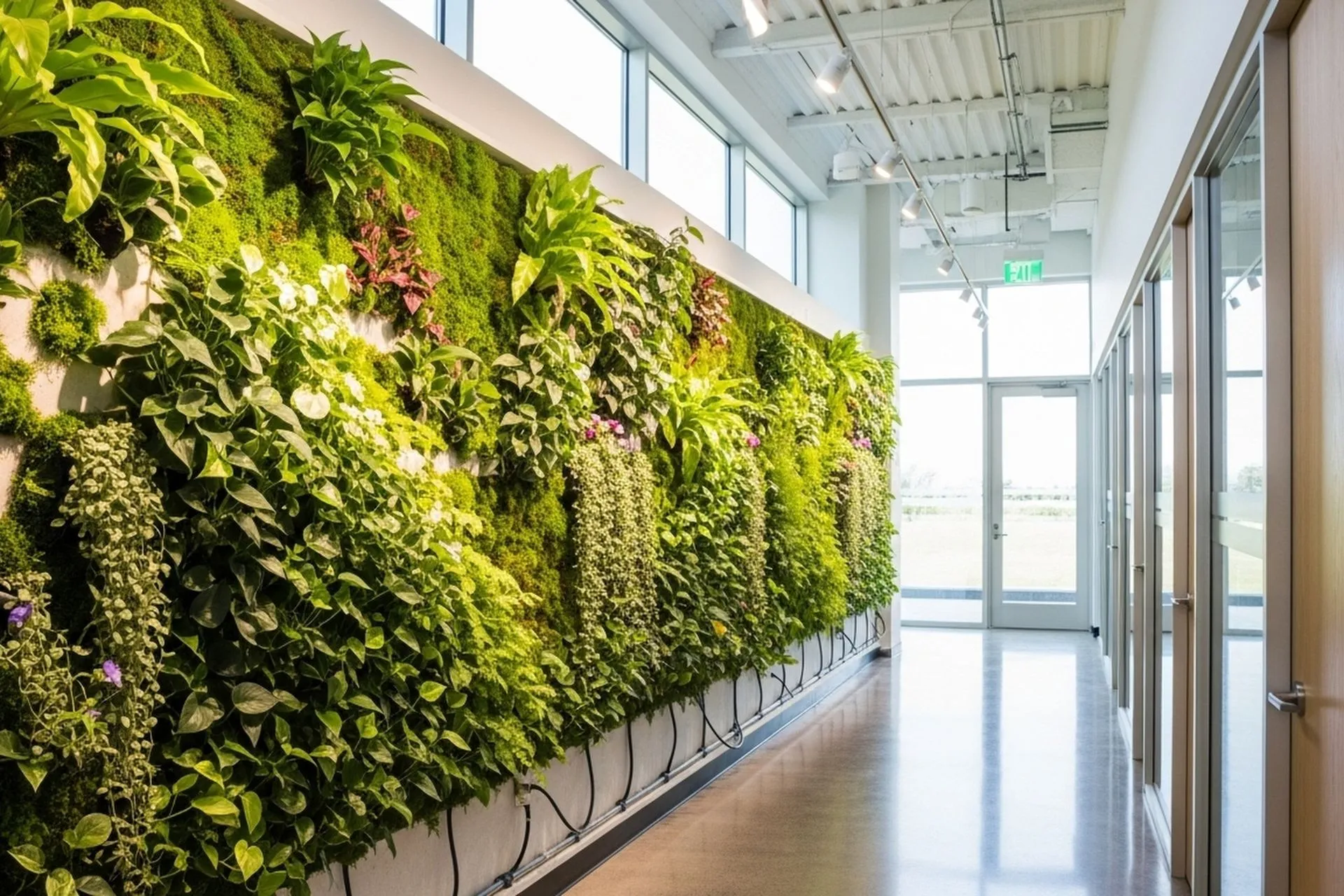
Biophilic design, which incorporates natural elements into the office, has grown in popularity due to its positive effects on wellbeing. Employees report lower stress levels and increased focus when exposed to natural light, greenery, and organic textures. This trend goes beyond aesthetics, offering tangible benefits for health and productivity.
Indoor Greenery and Natural Elements
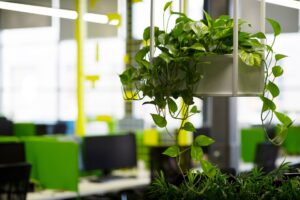
Introducing plants, green walls, and natural materials can transform a sterile office into a vibrant environment. Beyond visual appeal, greenery improves air quality and can reduce noise, creating a more comfortable space. Even small touches like planters on desks contribute to a sense of calm and connection with nature.
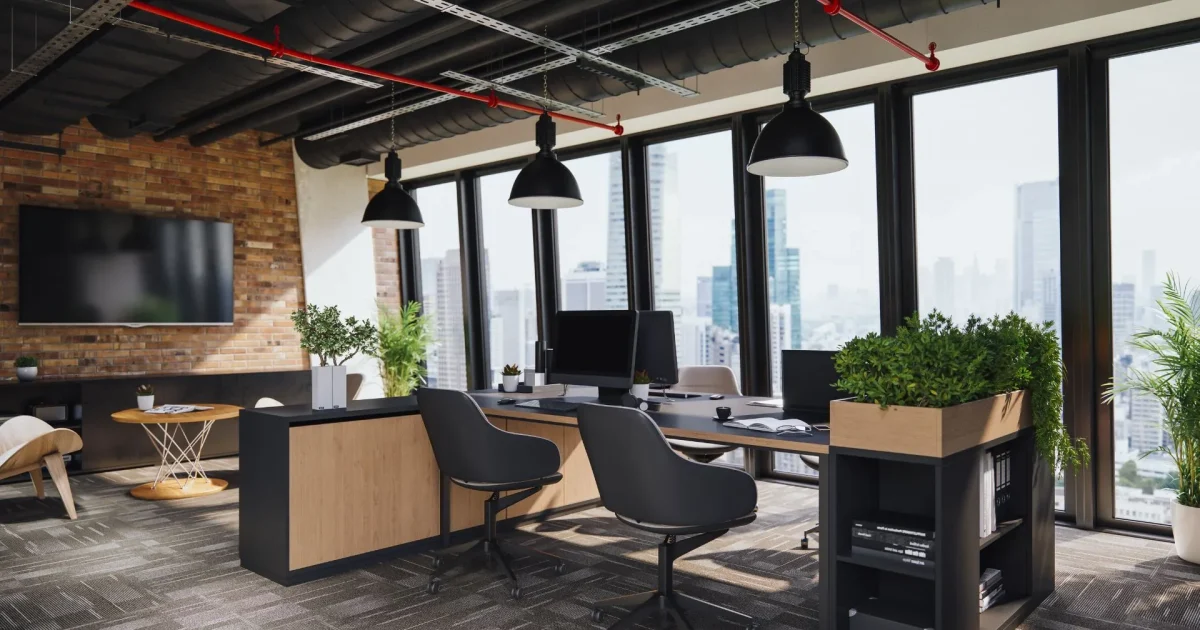
Natural textures and finishes also play a role in enhancing office environments. Wood, stone, and bamboo elements bring warmth and tactile interest to otherwise uniform spaces. This combination of organic materials and greenery encourages staff to feel more relaxed and inspired during the workday.
Maximising Natural Light
Natural light is a critical component of biophilic design, supporting both wellbeing and productivity. Offices with large windows, skylights, or open-plan layouts allow daylight to penetrate deep into work areas. Light-adjustable blinds and reflective surfaces can further enhance the flow of daylight, reducing reliance on artificial lighting.
Careful positioning of workstations helps employees benefit from natural light throughout the day. Task areas near windows can improve concentration, while communal zones with indirect light offer a comfortable space for collaboration. The thoughtful integration of daylight also contributes to energy efficiency.
3) Wellness-Focused Spaces
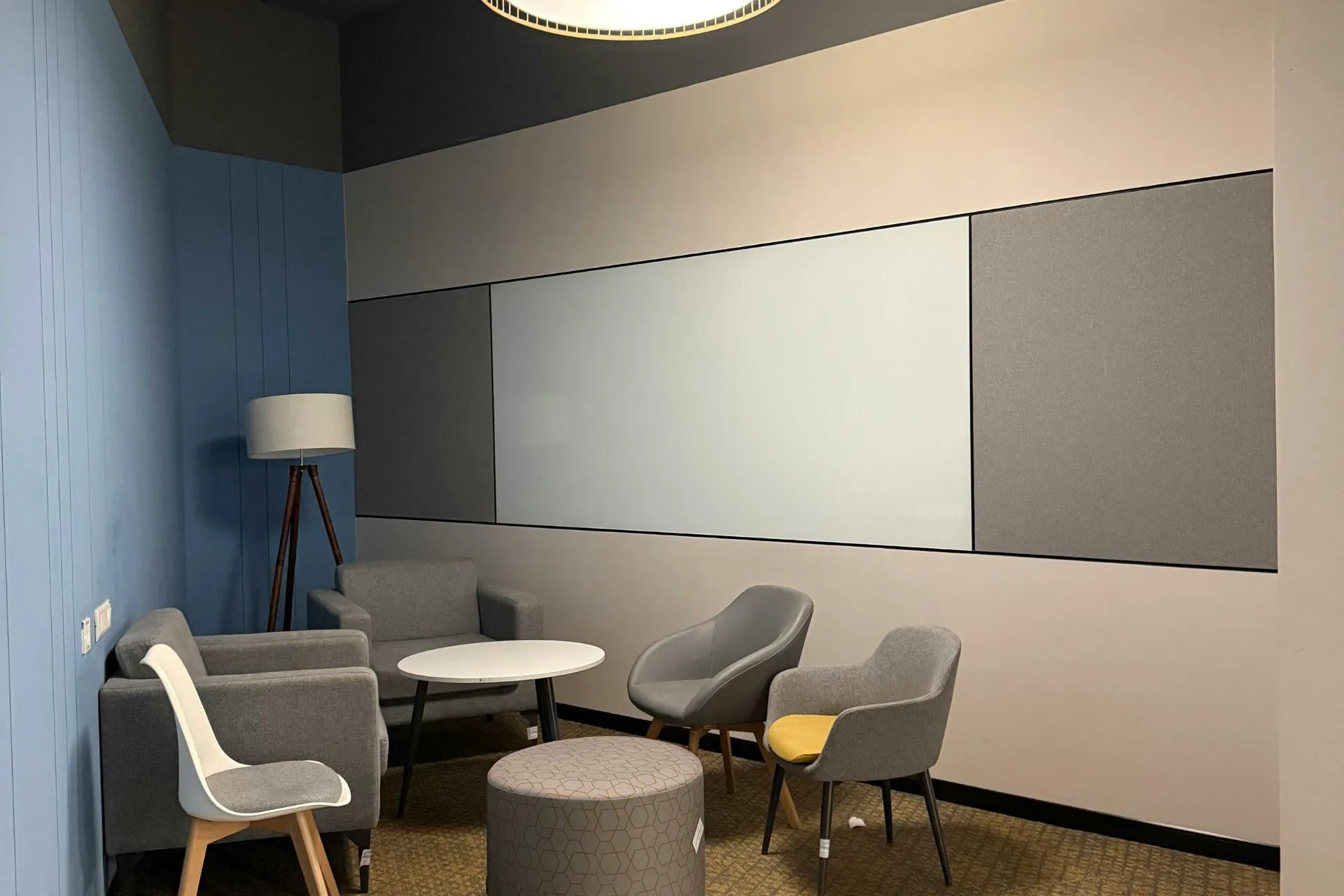
Creating wellness-focused spaces in offices helps employees maintain mental and physical health. Design choices that promote movement, relaxation, and stress relief encourage staff to return and spend time in the office. These areas reflect an understanding that wellbeing is integral to sustained productivity.
Dedicated Quiet Zones
Quiet zones offer employees a place to step away from the noise of open-plan environments. These areas typically feature soft seating, warm colours, and soundproofing to create a calming atmosphere. Staff can use these spaces to reset between meetings or tasks, helping them manage their energy throughout the day.
Adding gentle sensory elements enhances the sense of calm. Soft natural light, tactile fabrics, and subtle ambient sounds can help deepen relaxation and concentration. These spaces work particularly well for employees who need moments of stillness to rebalance and refocus.
Quiet zones also send a strong message about the company’s priorities. By carving out areas dedicated to mental restoration, employers demonstrate an understanding of holistic wellbeing. Staff are more likely to feel supported, valued, and motivated to spend time in the office.
Active Design Features
Encouraging movement throughout the office contributes to overall health and energy levels. Standing desks, treadmill workstations, and strategically placed staircases motivate employees to stay active during the day. By designing spaces that naturally incorporate movement, offices can help counteract sedentary habits and improve long-term wellness.
Activity-focused layouts also facilitate social interaction and spontaneous collaboration. Walking meetings or communal areas near stairways create opportunities for informal discussions, blending health benefits with improved team communication.
4) Sustainable and Eco-Friendly Interiors
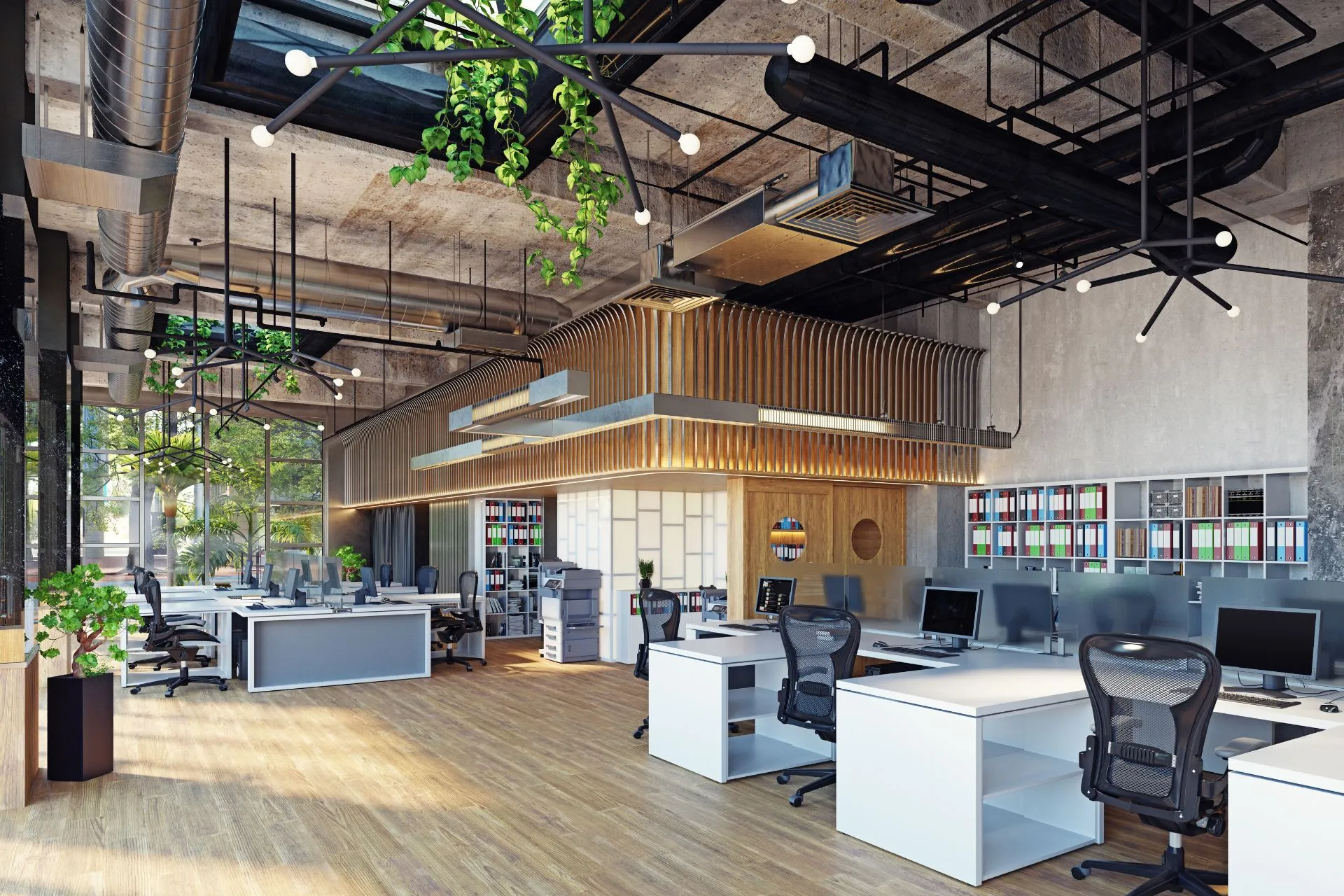
Sustainability is no longer optional in modern office design; eco-conscious choices attract staff who value responsible practices. Using recycled materials, energy-efficient lighting, and low-impact finishes demonstrates environmental awareness. This approach can also reduce operating costs and create a healthier environment.
Recycled and Low-Impact Materials
Incorporating recycled and low-impact materials helps offices reduce their environmental footprint while elevating interior design. Reclaimed wood, repurposed plastics, and eco-conscious finishes introduce unique textures and visual appeal. These materials not only look good but also support long-term sustainability goals.
Durability is another major advantage of eco-friendly materials. High-quality, responsibly sourced items tend to last longer, reducing waste associated with frequent replacements. This long-term thinking reflects well on employers who want to demonstrate environmental responsibility.
Employees increasingly value workplaces that align with sustainable principles. When staff see conscious choices reflected in the materials around them, it can strengthen engagement and pride in the organisation. Sustainable interiors help create a positive emotional connection that makes returning to the office more appealing.
Energy Efficiency and Smart Systems
Energy-efficient lighting, climate control, and smart monitoring systems lower emissions and operating costs. Automated controls and LED lighting can significantly reduce energy consumption without compromising comfort. Offices that integrate smart systems demonstrate a modern, forward-thinking approach valued by employees.
Strategically placed windows and ventilation systems complement these technologies. Passive design principles, such as maximising daylight and airflow, enhance natural comfort while reducing reliance on artificial systems. These solutions create spaces that are both environmentally friendly and pleasant to work in.
5) Personalisation and Employee Choice
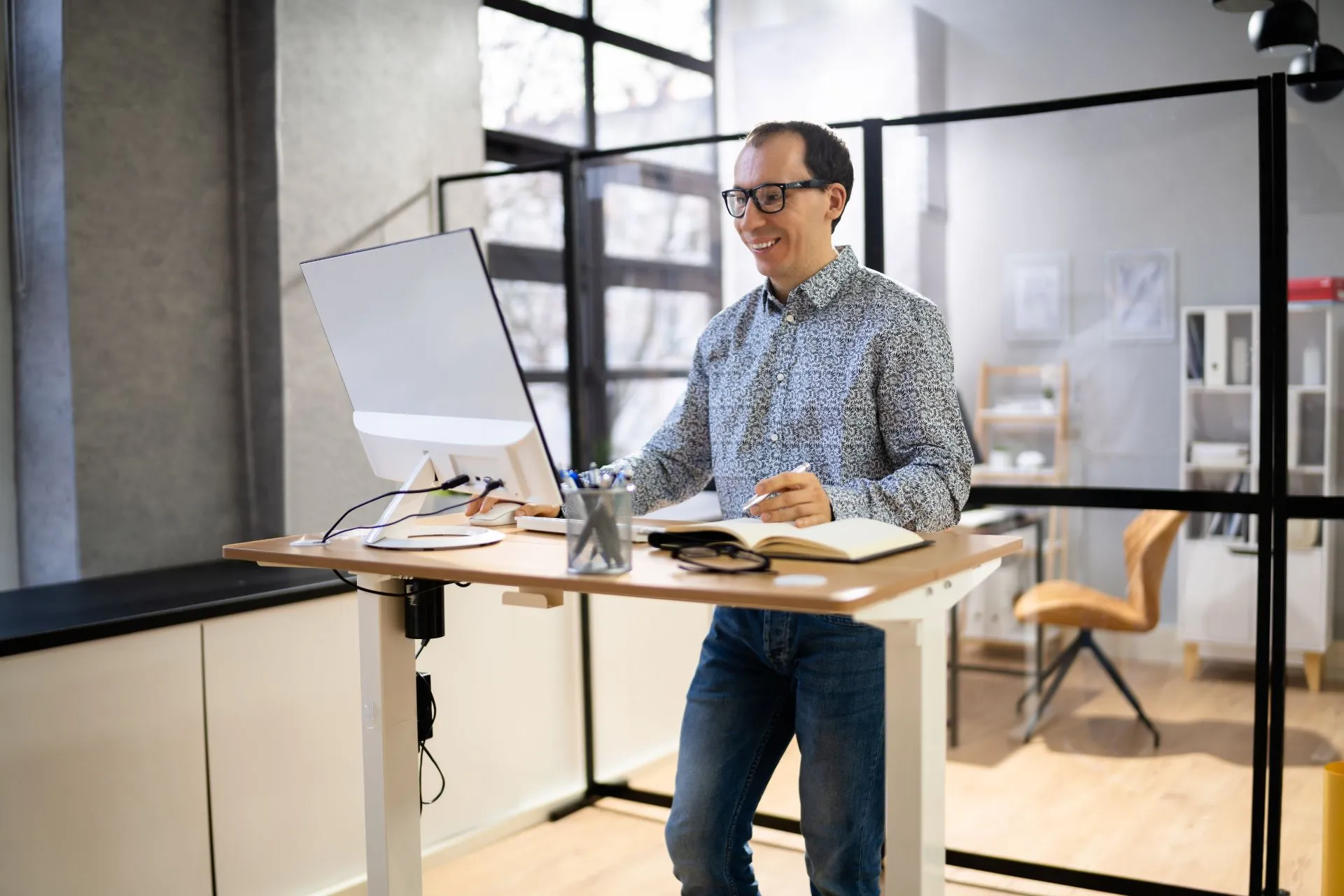
Allowing employees to personalise their work areas boosts engagement and satisfaction. From desk setups to colour preferences, choice empowers staff to feel ownership of their space. Personalisation fosters comfort and reflects the diverse needs of a modern workforce.
Adjustable Workstations
Height-adjustable desks and modular furniture enable employees to tailor their work environment. Staff can switch between sitting and standing or reconfigure desk layouts for collaboration. These choices enhance comfort, focus, and productivity throughout the day.
Providing accessories such as ergonomic chairs, monitor arms, and task lighting further supports individual preferences. When staff can control their immediate workspace, they are more likely to feel valued and motivated. It also reduces physical strain, promoting long-term health benefits.
Flexible Break Areas
Break areas that cater to personal preferences encourage social interaction and relaxation. Some employees may prefer quiet nooks, while others enjoy communal lounges with games or refreshments. Designing adaptable zones acknowledges diverse needs and helps maintain a balanced office culture.
These spaces can also support hybrid work models. Staff can choose where and how they take breaks, promoting a sense of autonomy and satisfaction. Flexible break areas become informal hubs that strengthen team cohesion over time.
6) Smart Technology Integration

Smart technology is increasingly shaping modern offices, making day-to-day operations smoother and more intuitive. From app-controlled lighting to AI-powered booking systems, technology supports both productivity and convenience. Integrating smart solutions can help staff feel more in control of their environment while optimising office efficiency.
Automated Environment Controls
Sensors and smart systems allow for automatic adjustments to lighting, temperature, and ventilation. This reduces energy waste while maintaining a comfortable working environment throughout the day. Staff can focus on their tasks without distractions caused by uncomfortable temperatures or glare.
Voice-activated assistants and mobile apps also simplify workplace management. Booking meeting rooms, adjusting lighting, or controlling presentation equipment becomes seamless. The integration of these tools fosters an intuitive, future-ready office that resonates with tech-savvy employees.
Data-Driven Insights
Smart systems provide insights into space utilisation and employee preferences. Analytics can reveal which areas are most used, helping managers optimise layouts and resources. This data-driven approach ensures that office designs remain relevant and efficient over time.
Feedback loops from these technologies support continuous improvement. Staff can report preferences or issues through connected systems, allowing management to respond quickly. The combination of comfort and efficiency makes the office a more attractive place to return to.
7) Wellness-Focused Amenities
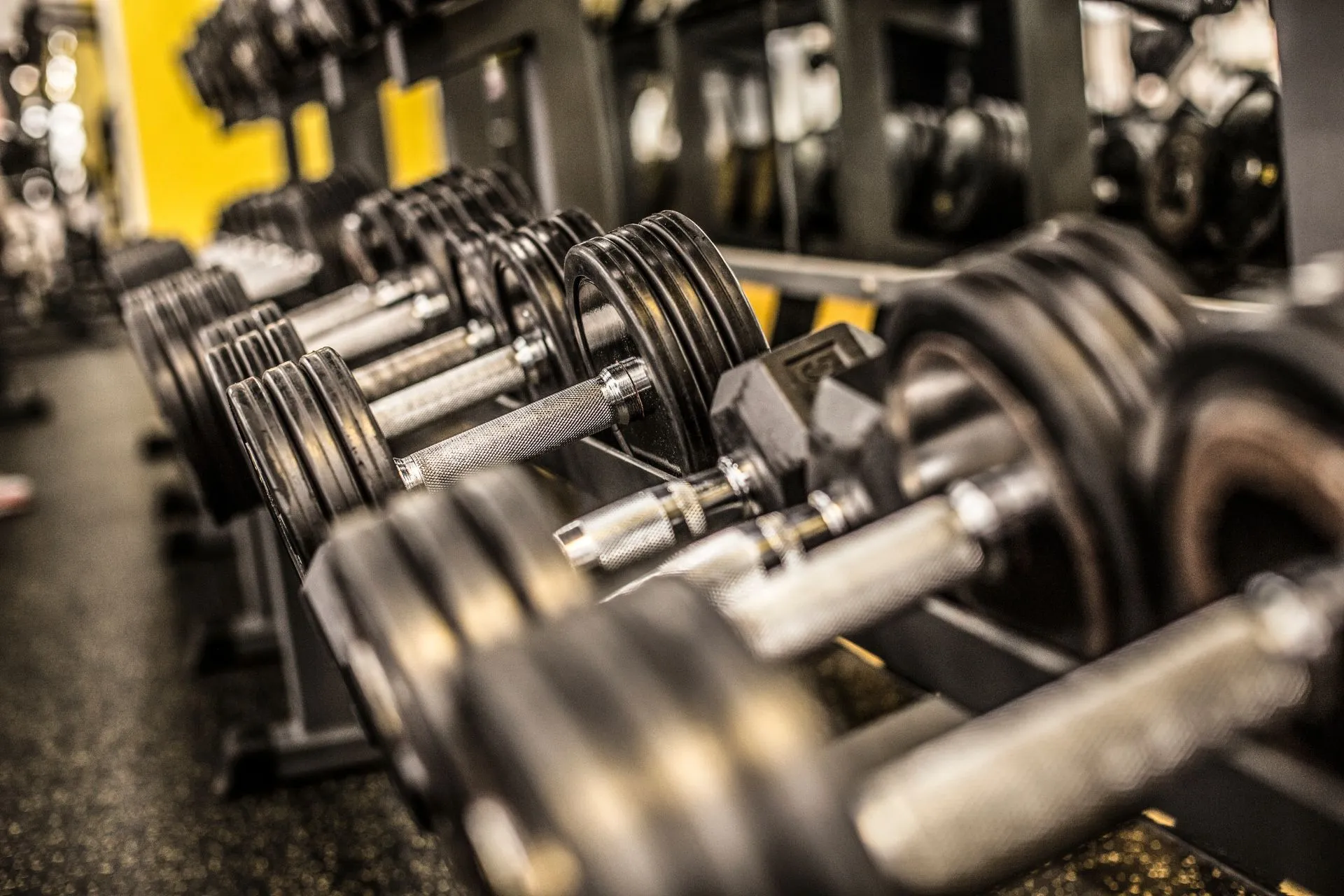
Beyond design features, wellness-focused amenities are becoming a core component of office strategy. Offering spaces that support mental and physical health encourages staff to spend more time in the office. These amenities signal that employee wellbeing is a genuine priority.
On-Site Fitness and Movement Options
Many offices now include gyms, yoga studios, or dedicated movement spaces. Encouraging physical activity during the workday helps reduce stress and improve energy levels. Even simple features, like standing desks or walking paths, promote healthy habits in a subtle way.
Integrating fitness options into the office layout also supports team interaction. Group exercise sessions or wellness challenges build camaraderie and motivation. This approach strengthens both health and company culture simultaneously.
Mindfulness and Relaxation Areas
Mindfulness and relaxation spaces give employees the opportunity to pause and recharge during busy days. These areas often feature soft lighting, comfortable seating, and elements designed to promote calm. Staff can take quick breaks to reset mentally, helping them maintain focus throughout the day.
Hydration stations and healthy snacks placed nearby support these relaxation zones. Offering nutritious options encourages employees to adopt habits that sustain energy without relying on stimulants. These small touches reinforce a culture centred around wellbeing.
Companies that invest in these spaces often see improvements in morale. When staff feel their mental health needs are recognised, they tend to develop a stronger sense of loyalty. Relaxation areas create micro-moments of comfort that make the office feel more balanced and humane.
8) Colour and Biometric Design
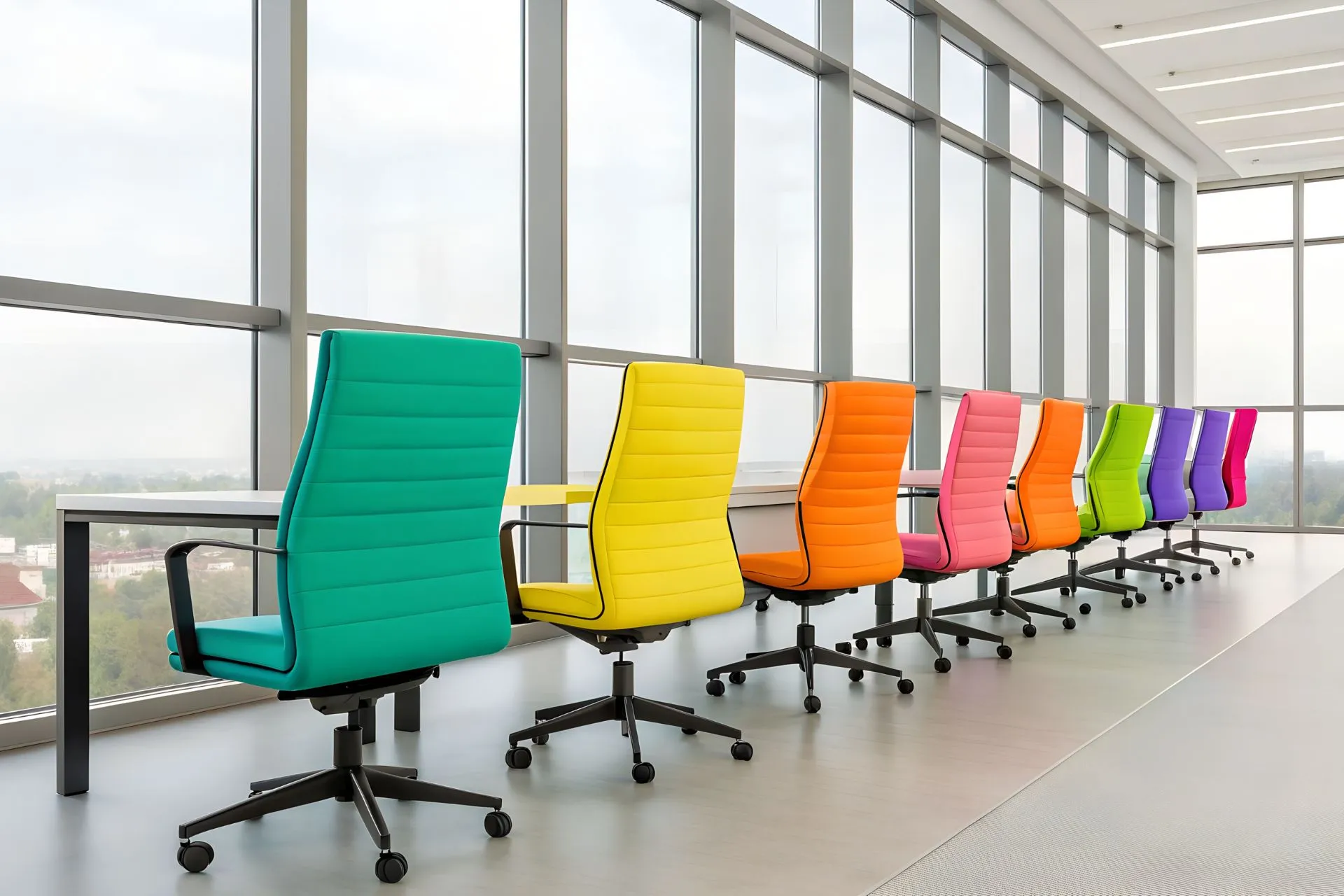
The strategic use of colour and biomimicry in office interiors can subtly influence mood and productivity. Colour schemes, patterns, and textures are selected to energise, calm, or inspire staff depending on the area. This trend reflects an understanding of psychology in workplace design.
Mood-Enhancing Colour Palettes
Choosing the right colours can impact energy levels and focus. Bright accents in collaborative zones stimulate creativity, while muted tones in quiet areas foster concentration. Thoughtful colour use ensures each space supports the intended activity.
Incorporating varied textures and natural patterns further enhances the environment. Walls, furniture, and decorative elements can mimic natural forms, creating visual interest. This combination of colour and biomimicry provides both aesthetic appeal and psychological benefit.
Adaptive Lighting and Ambience
Lighting has a powerful influence on mood and performance, making adaptive systems an essential part of modern office design. Adjustable LEDs allow light levels and colour temperatures to shift throughout the day, supporting natural circadian rhythms. This helps keep staff alert, comfortable, and aligned with natural energy cycles.
Motion sensors and automated dimming systems improve efficiency by reducing unnecessary energy use. These features ensure that the office remains well-lit only when needed, without compromising comfort. The blend of practicality and ambience contributes to a responsive and modern workspace.
Thoughtfully designed lighting can also reinforce the character of different office zones. Brighter, cooler lighting suits collaborative or high-activity areas, while warmer tones support lounges and quiet zones. These subtle adjustments help shape the overall atmosphere and make the office more pleasant to spend time in.
9) Social and Community Spaces
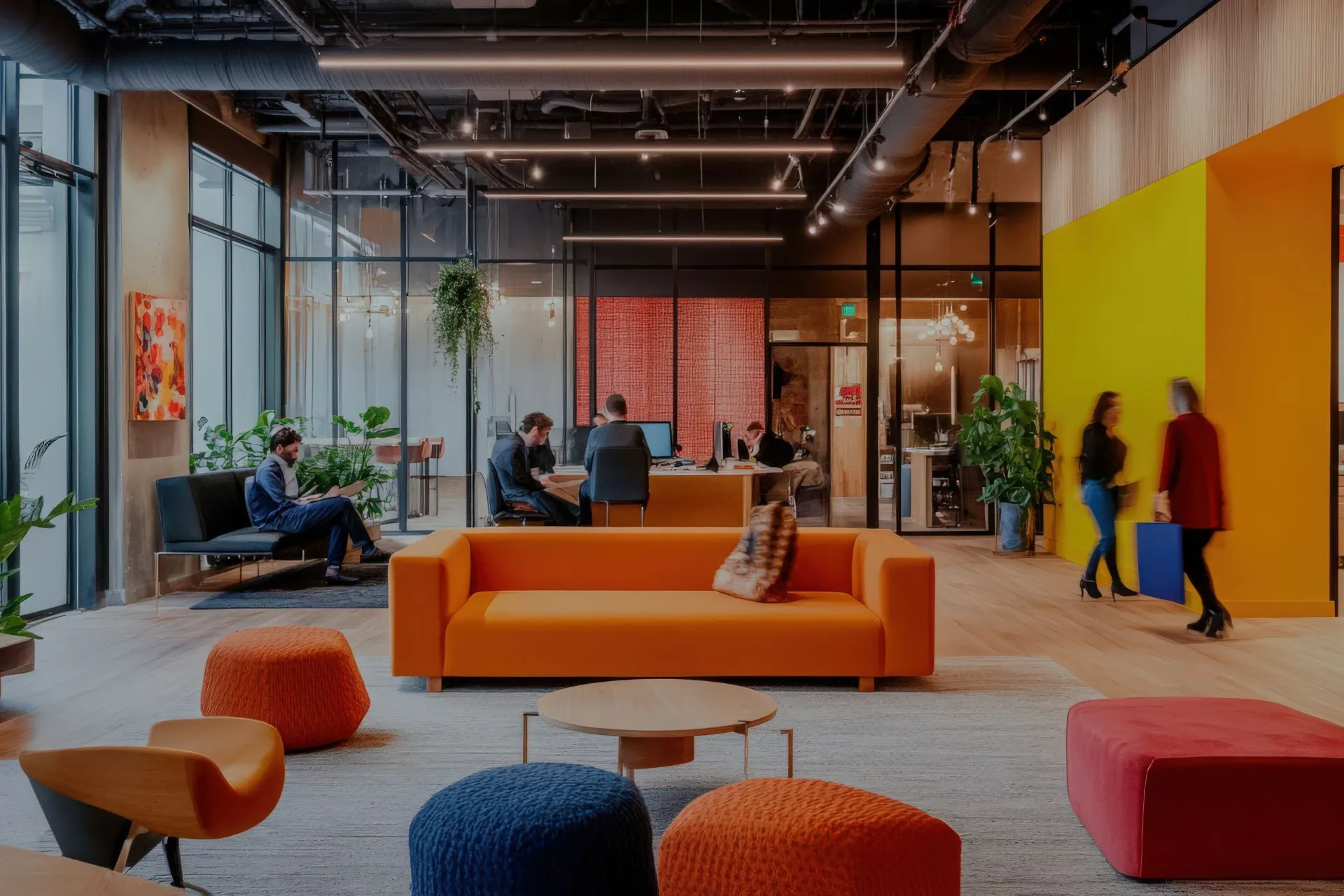
Creating social and community spaces is essential to fostering a sense of belonging in the office. These areas encourage informal interaction, collaboration, and relationship-building among staff. A well-designed communal space can make the office feel inviting and vibrant.
Cafés and Communal Lounges
Cafés, lounges, or informal seating areas provide relaxed settings for social interaction. Comfortable seating, flexible layouts, and accessible refreshments encourage staff to gather and converse naturally. These areas support networking and team bonding outside of formal meetings.
Designing these spaces with variety ensures they meet diverse preferences. Quiet corners for one-to-one chats sit alongside open spaces for larger groups. Thoughtful placement within the office encourages regular use without disrupting workflow.
Multi-Purpose Event Areas
Spaces that can host workshops, talks, or social events add versatility to office design. Multi-functional layouts accommodate both formal and informal activities, enhancing engagement and learning opportunities. Staff are more likely to return when the office supports community building alongside work tasks.
Furniture and technology in these areas should be flexible and easy to reconfigure. Modular seating, mobile screens, and adaptable tables ensure that spaces remain practical for different occasions. The result is a lively, dynamic environment that balances work, learning, and social interaction.
How We Chose These Office Design Trends
- Reviewed Global Reports – Pulled insights from top 2024–2026 workplace trend studies.
- Studied Real Fit-Outs – Looked at what architects and firms are actually building today.
- Checked Employee Data – Considered what staff say they value in modern workplaces.
- Prioritised Practicality – Chose trends that deliver clear, usable improvements.
- Focused on Evergreen Ideas – Highlighted features that stay relevant beyond 2026.
Summary
Office design in 2026 is increasingly centred around creating environments that inspire people to return willingly. From wellness-focused features to sustainable materials and smarter technology, the trends shaping the modern workplace are grounded in comfort, practicality, and authenticity. Companies that pay attention to these details often see stronger engagement, improved morale, and a workplace culture that feels genuinely supportive.
By embracing these design ideas, organisations can build spaces that employees enjoy spending time in, not just places where they work out of obligation. Whether you’re planning a full refurbishment or introducing gradual improvements, thoughtful design choices can make all the difference. To create an office that truly works for your team, get in touch with Quintessential Offices today.