Small offices often have more potential than they seem, especially when every square metre is treated with intention and creativity. A thoughtful fit-out can transform cramped rooms into streamlined, productive, and comfortable workplaces that support your team’s day-to-day needs. With clever design choices, even awkward corners and underused spaces can deliver meaningful value and functionality. These ideas are built to help small businesses get the most out of their limited floor area without compromising style or comfort.
1) Use Modular Furniture for Flexible Layouts
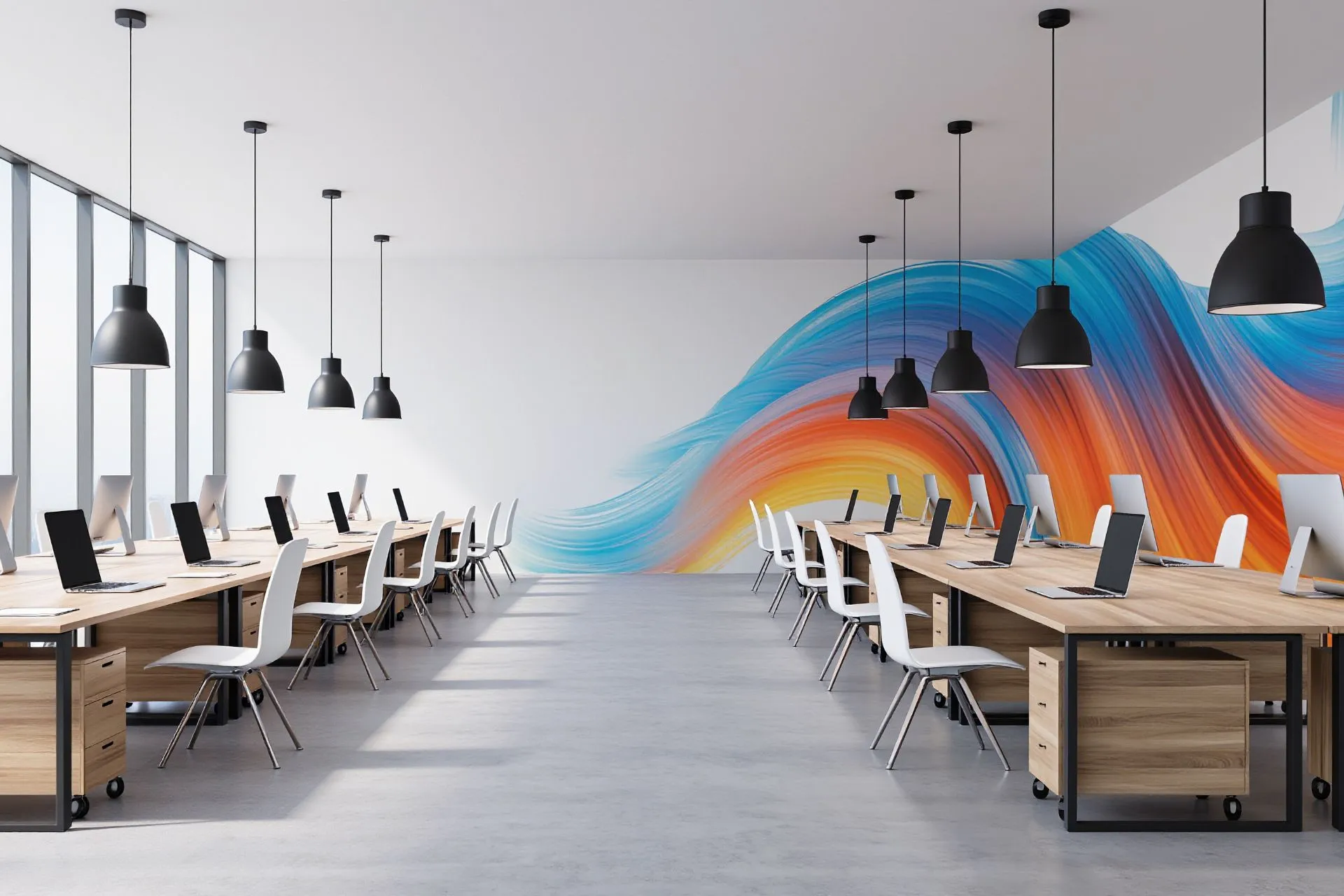
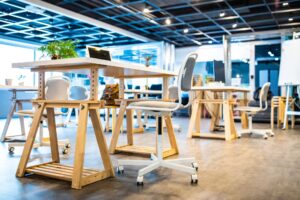
Modular furniture is one of the simplest ways to maximise versatility in a small workspace because it allows you to rearrange seating and tables to match changing needs while multitasking pieces—such as stackable, foldable, or rolling units—keep the area flexible and clutter-free.
Rearranging Spaces for Daily Needs
With modular furniture, your team can redesign the environment throughout the day, allowing the office to suit different activities without needing additional rooms. This approach encourages collaboration because spaces can expand or contract depending on how many people need to work together at any given moment.
Flexible layouts also reduce the pressure to lease larger premises, as you are effectively making the same space perform several roles at once. By adjusting furniture configurations, you can host meetings, brainstorming sessions, and focused work without feeling cramped or restricted.
Storage and Multi-Functional Pieces
Using modular pieces with built-in storage helps eliminate clutter while increasing workspace efficiency, especially in offices where surface areas are limited. These items allow you to hide supplies, equipment, and personal belongings without taking up more room than necessary.
Multi-functional furniture such as fold-out tables, stackable chairs, and cushioned storage benches ensures that your office remains tidy and flexible. This means every piece earns its place, contributing both practicality and visual harmony to your small space.
2) Incorporate Light Colours and Reflective Surfaces
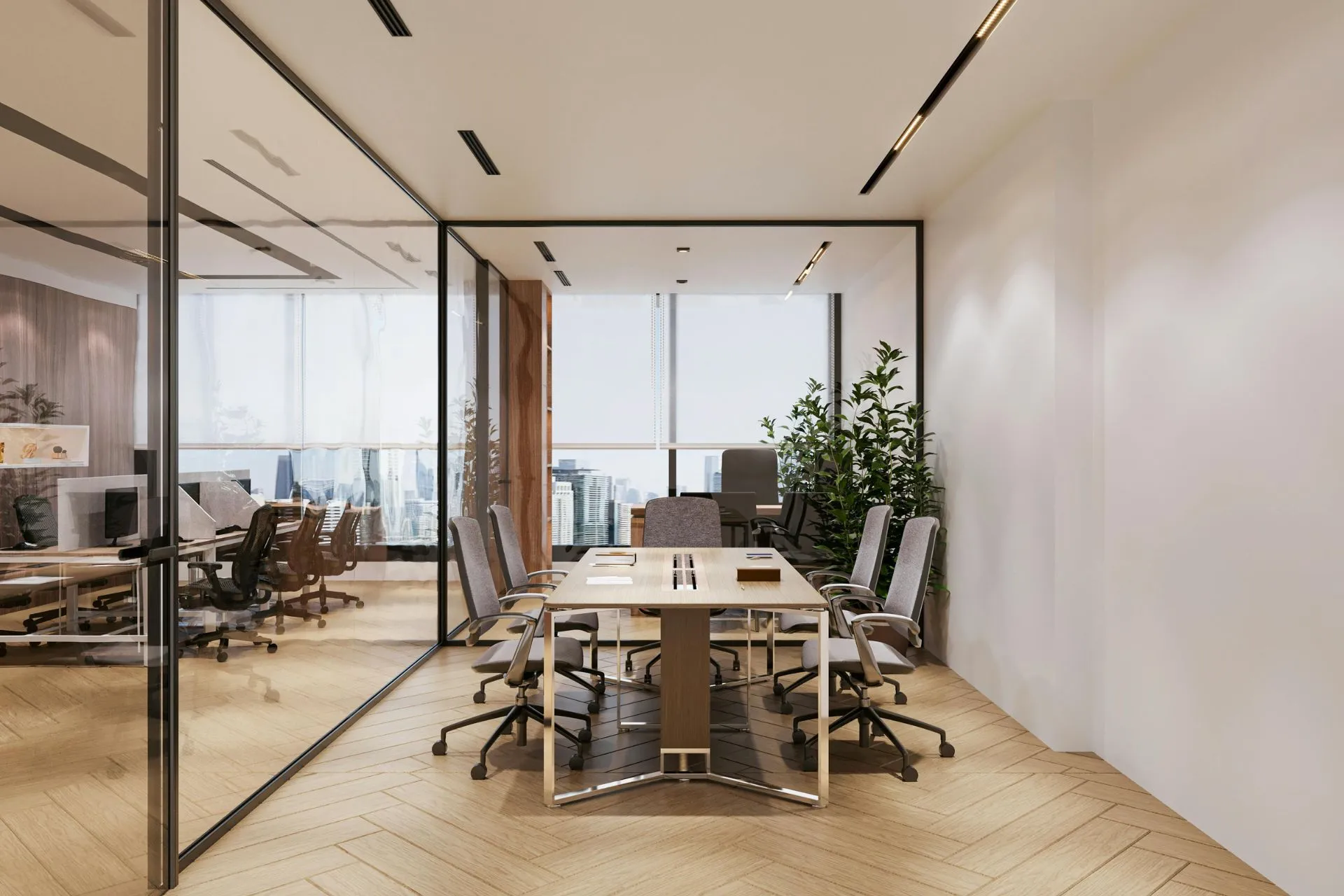
Light, airy colour schemes help small spaces feel more open by bouncing natural and artificial light while reflective materials such as glass, polished metal, and glossy surfaces enhance brightness and create a modern, spacious feel.
Maximising Natural Light
Positioning workstations near windows ensures that employees benefit from as much daylight as possible, improving both comfort and productivity. Natural light makes the room feel larger, reduces energy consumption, and creates an uplifting atmosphere throughout the day.
Removing heavy curtains or replacing them with sheer alternatives helps maintain brightness without compromising privacy or aesthetic appeal. Light-enhancing window treatments also help maintain consistency between indoor and outdoor views, giving the office a seamless, uncluttered appearance.
Strategic Use of Reflective Accents
Adding reflective décor items, such as mirror panels or metallic desk accessories, helps elevate small spaces and reduces the sense of confinement. These accents work particularly well in offices with minimal natural light, as they help amplify any available illumination.
Using glossy surfaces on cabinetry or workstation dividers can brighten up dark corners while adding a sleek, contemporary touch. This technique allows even compact rooms to feel more stylish and welcoming without the need for major renovations.
3) Add Vertical Storage to Free Up Floor Space

Vertical storage maximises unused wall space, keeps floors open for movement, and creates visual height that makes compact offices feel larger while supporting better organisation and workflow.
Wall-Mounted Solutions for Maximum Efficiency
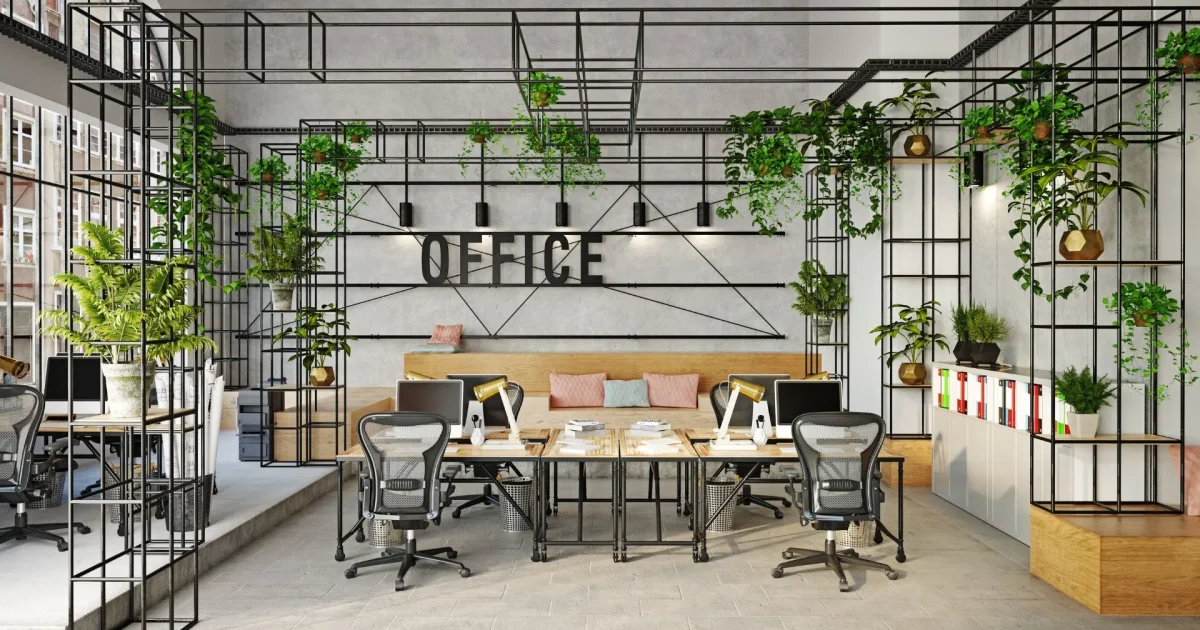
Wall-mounted shelving lets you store documents, supplies, and personal items without taking up valuable desk space. This works well for small teams handling lots of files with limited floor room. Sturdy, well-placed shelves keep everything accessible while maintaining a clean aesthetic that supports workflow.
Using pegboards and wall grids for tools or accessories improves efficiency while keeping desks clear. They allow employees to personalise their workspace while following a structured approach. Because items remain visible without using desk space, pegboards suit small offices needing quick access.
Tall, slim cabinets provide ample storage without crowding the floor, making them ideal for narrow rooms or corridors. They can hold everything from stationery to equipment while keeping a streamlined footprint. Their height draws the eye upward, creating the illusion of more space while offering functional storage.
Decorative Storage That Adds Character
Decorative wall storage, such as floating shelves or shaped wall units, allows you to express your workplace style while adding functionality. These elements contribute a sense of personality, making even the smallest office feel curated and intentional.
By combining décor with storage, you allow practical elements to blend seamlessly with the office’s visual identity, ensuring nothing feels out of place. This approach supports a warm, inviting atmosphere while still prioritising organisation.
4) Create Multi-Purpose Meeting Areas
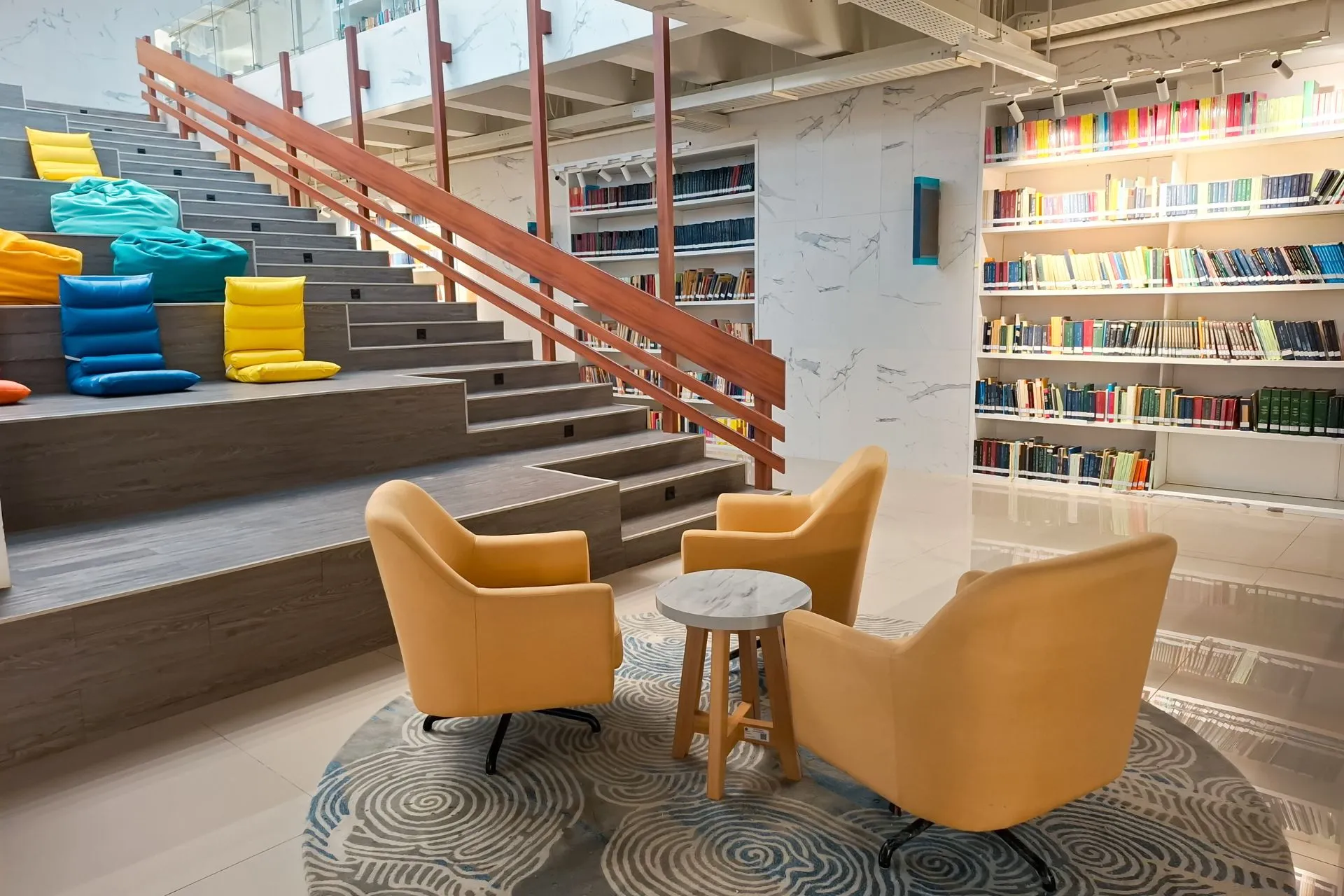
Multi-purpose meeting areas allow small offices to host different types of interactions using adaptable furniture, movable partitions, and flexible layouts that support collaboration without consuming too much space.
Optimising Furniture for Meetings
Choosing compact, multi-functional meeting furniture allows small spaces to host groups comfortably without feeling crowded. Pieces such as nesting tables or slim chairs create a streamlined setup that adapts quickly to changing needs.
Lightweight furnishings make it easy to switch between collaborative sessions and individual tasks, allowing every meeting zone to stay relevant throughout the working day. This ensures practicality without compromising comfort or style.
Using Partitions for Flexible Privacy
Movable partitions or acoustic screens help instantly convert open areas into private zones suitable for focused conversations. These partitions give teams the option to adjust the level of privacy needed for different activities.
Acoustic panels help reduce noise transfer, which is especially useful in compact spaces where sound tends to travel quickly. With the right materials, these dividers add a touch of visual interest while keeping the office functional and organised.
5) Use Built-In Joinery to Maximise Functionality
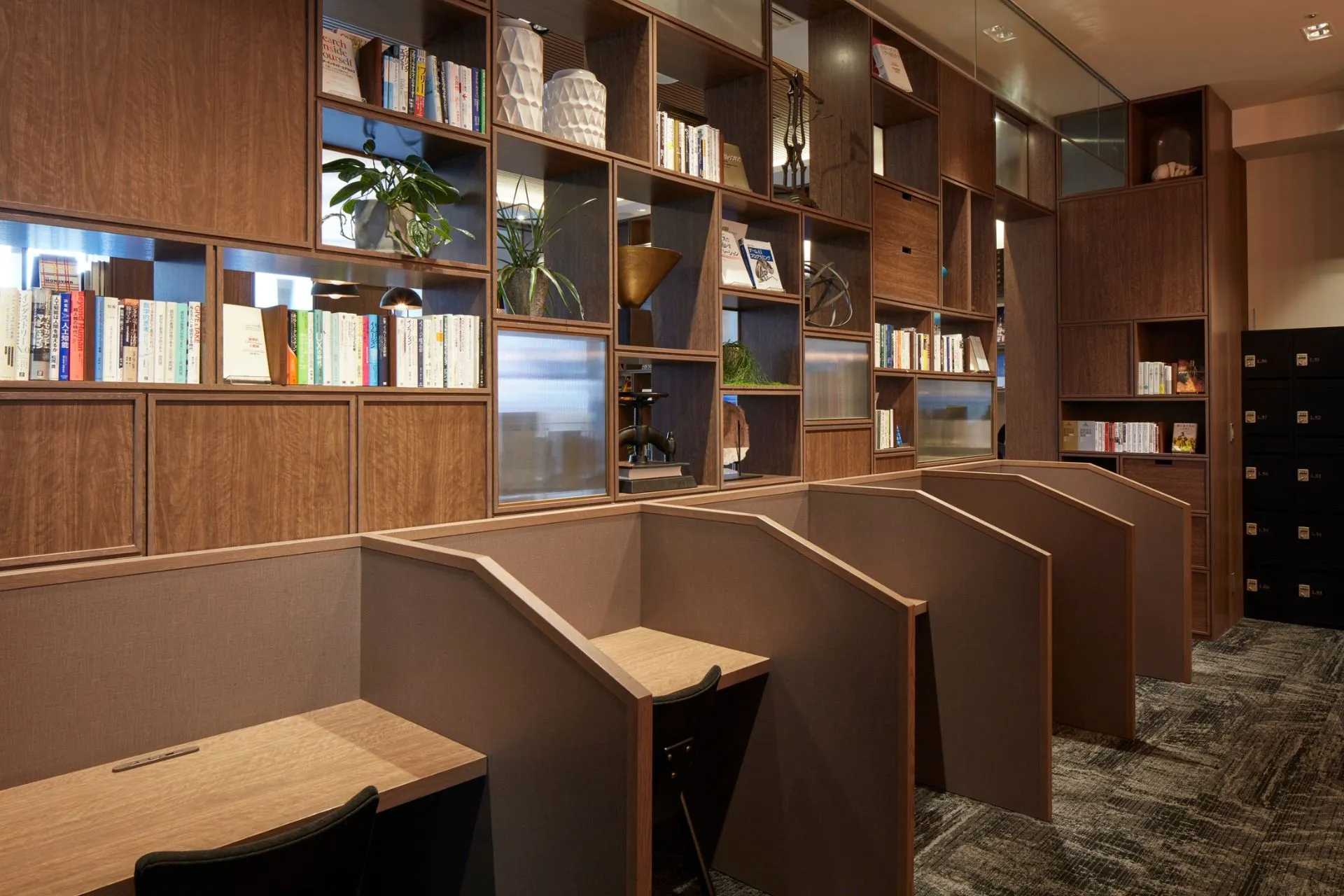
Built-in joinery creates a seamless, space-efficient office layout by customising storage, desks, and cabinetry to fit perfectly into available dimensions while maintaining a clean and cohesive look.
Custom Storage That Fits Every Corner
Custom cabinetry lets you design storage that fits perfectly with your office layout, making every inch count. This is especially useful in oddly shaped rooms where standard furniture may not fit. Purpose-built joinery creates a unified look and avoids clutter from mismatched pieces.
Built-in shelving can be tailored to hold the specific items your team uses daily, from files to equipment. This ensures everything has a place, improving organisation and reducing overcrowding. Elevating items off the floor or integrating them into walls provides maximum functionality without wasting space.
Integrated desks offer a stable, minimalistic workstation that aligns with the office’s overall design. They can be customised for narrow recesses or awkward corners, giving employees a comfortable work area. The cohesive look helps maintain a professional, tidy aesthetic throughout the room.
Enhancing Visual Continuity
Built-in joinery helps maintain visual flow by reducing the number of separate pieces competing for attention and floor space. This makes the entire environment feel calmer and more organised.
When cabinetry, shelving, and worktops align perfectly with one another, they create a continuous line that guides the eye naturally. This supports a spacious feel while reinforcing the office’s overall design theme.
6) Introduce Acoustic Solutions for Better Focus
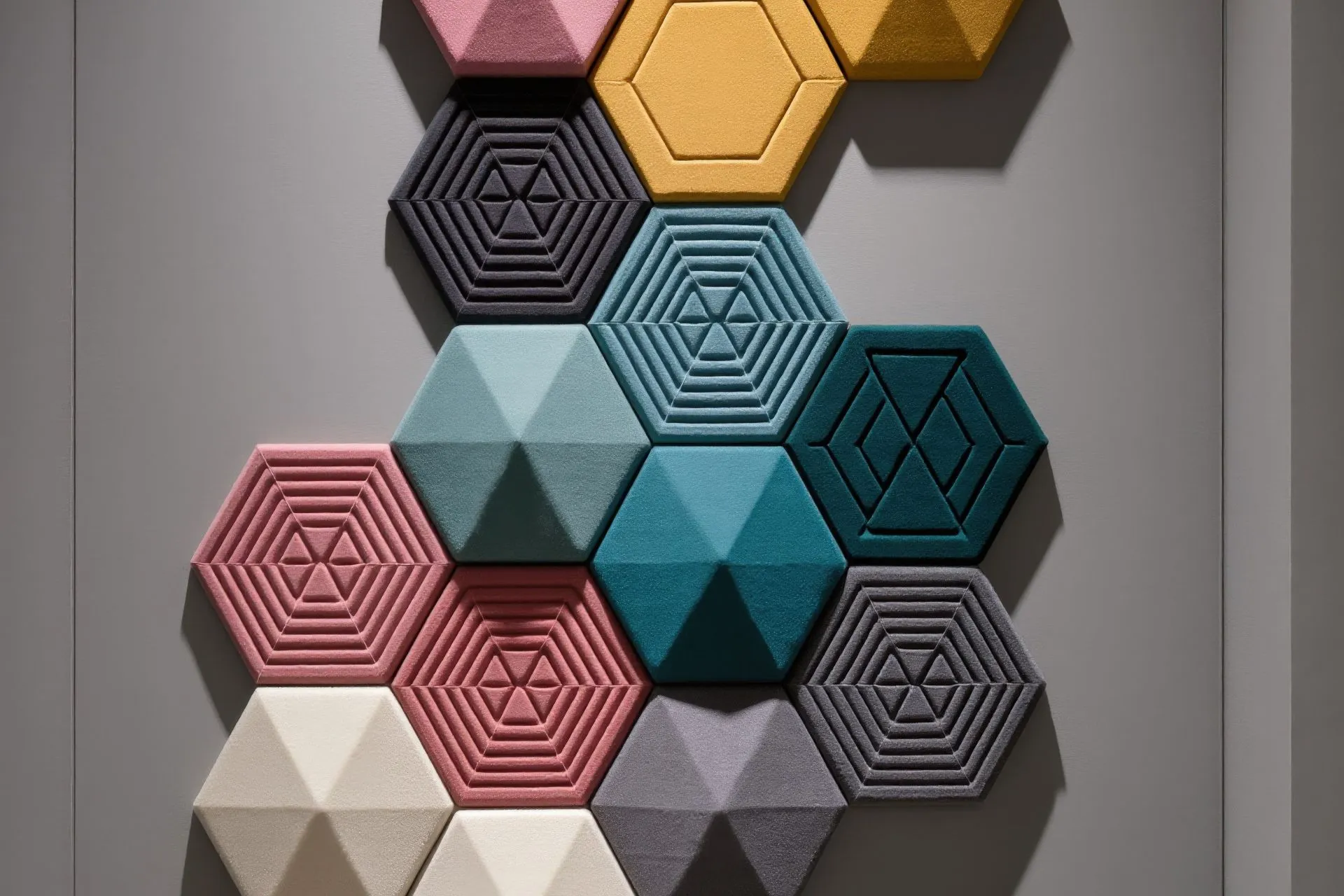
Acoustic solutions such as panels, rugs, and insulated dividers reduce noise transfer and help maintain a calm, focused atmosphere in compact offices where sound travels easily.
Panels and Soft Furnishings
Acoustic panels made from foam, felt, or fabric can be mounted on walls to reduce echo and improve sound distribution throughout the room. This helps create a quieter space where employees can think clearly and hold conversations without disruption.
Soft furnishings such as upholstered chairs, curtains, and textured rugs also absorb sound, preventing it from bouncing around the room excessively. When combined, these elements contribute to a serene environment that feels both stylish and functional.
Zoning for Noise Control
Creating designated quiet zones helps employees choose areas that best support their current tasks, whether they need focus or collaboration. These zones may include soundproof booths or enclosed corners equipped with acoustic dividers.
By separating louder activities from quieter ones, you reduce the overall noise level across the office. This brings harmony and balance to a small workspace, improving productivity and team morale.
7) Choose Space-Saving Desks and Workstations
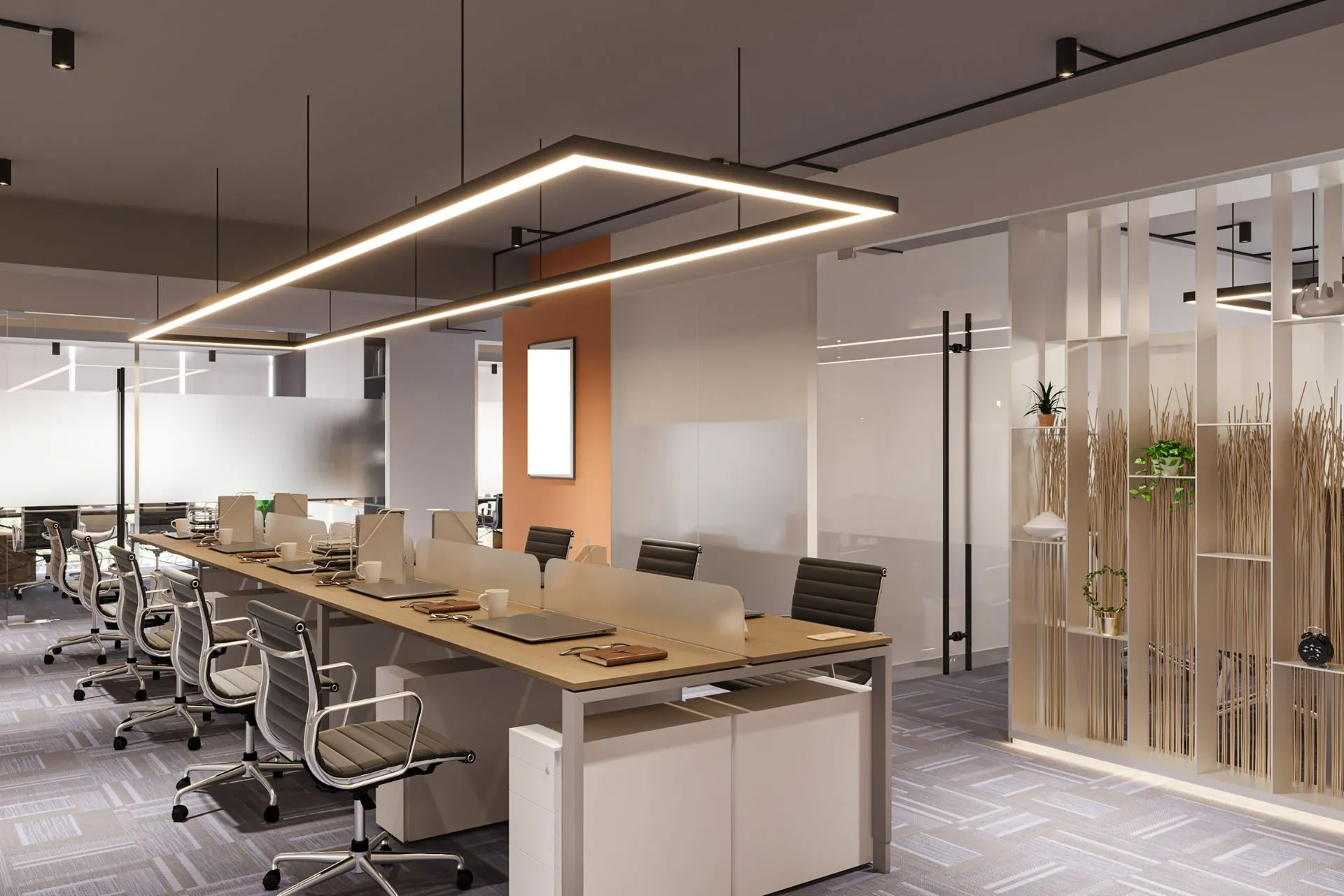
Compact desks and workstations optimise small offices by maximising surface usability while preserving movement, promoting tidiness, and preventing visual clutter.
Compact Desk Designs
Narrow desks with integrated storage help maximise workspace without sacrificing functionality, especially in offices where floor space is limited. These designs ensure that employees have enough room for essential equipment while keeping their work area streamlined.
Corner desks or wall-mounted worktops make clever use of unused areas that might otherwise remain empty. By turning awkward spaces into productive zones, you increase the practicality and flexibility of the entire office.
Integrated Cable Solutions
Built-in cable management systems ensure that wires and chargers remain neatly tucked away, preventing clutter and hazards. This is especially useful in small spaces where visible cables can make the office look messy.
By keeping technology organised, you help maintain a clean, minimalistic aesthetic that supports focus and productivity. This enhances the usability of workstations while elevating the overall look of the office.
8) Improve Lighting with Layered Schemes
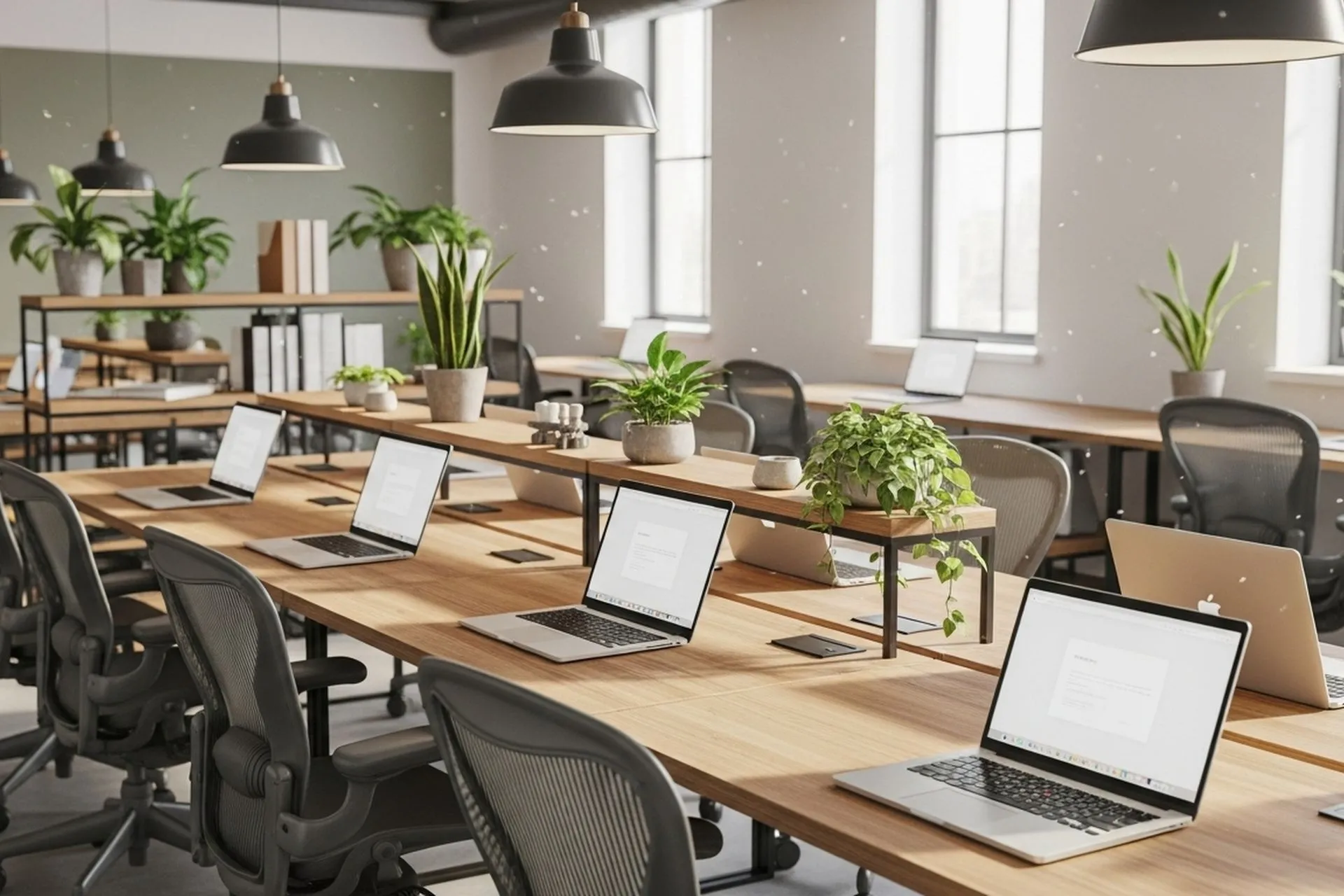
Layered lighting combines ambient, task, and accent lighting to create a comfortable, balanced, and highly functional environment that suits different work activities throughout the day.
Multi-Layer Lighting Techniques
Ambient lighting provides general illumination to make a room feel bright and welcoming, forming the foundation of any effective lighting plan. In small offices, fixtures that disperse light widely help prevent shadows that make spaces feel cramped. Ceiling lights or wall sconces ensure a balanced distribution of brightness.
Task lighting delivers focused illumination where employees need it most, such as at desks, meeting tables, or collaborative zones. Desk lamps, under-cabinet lights, and adjustable fixtures keep work areas clear and comfortable. This improves accuracy, reduces strain, and creates a more pleasant working experience.
Accent lighting adds a decorative layer that highlights key areas, introduces warmth, or showcases artwork or branding. Subtle highlights create depth and dimension, expanding the perception of space. This adds personality to small offices without taking up extra room.
Choosing Energy-Efficient Options
Energy-efficient lighting helps reduce electricity costs while providing bright, long-lasting illumination suitable for daily business operations. Modern LED systems offer versatility and durability, making them an excellent choice for compact offices.
By selecting fixtures that consume less energy, you contribute to a greener workspace while enhancing overall comfort and brightness. This helps create an environment that feels both sustainable and welcoming.
9) Integrate Smart Office Technology
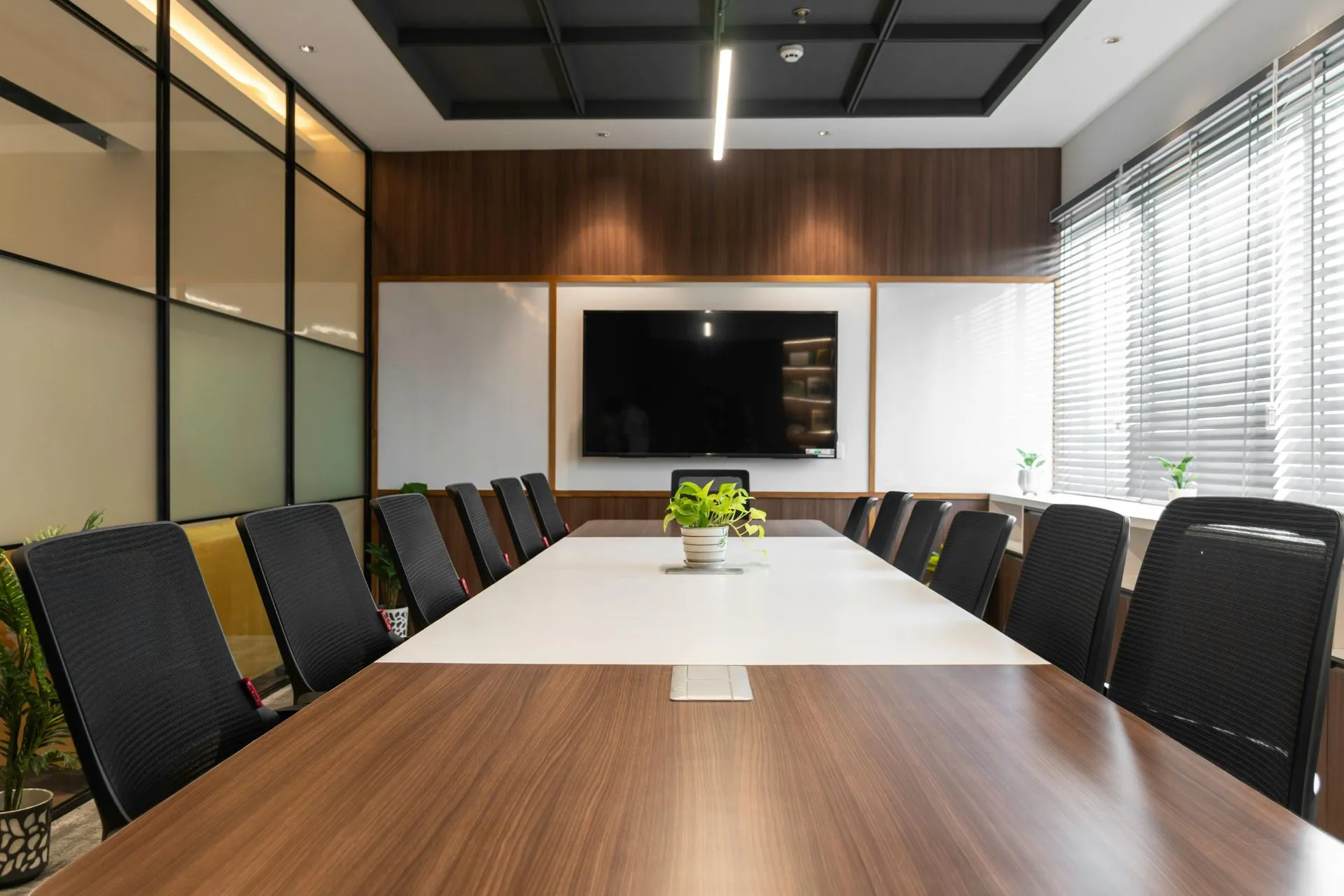
Smart office technology streamlines communication, automates environmental controls, and reduces reliance on physical storage, allowing small offices to operate more efficiently and with greater flexibility.
Automation for Daily Tasks
Automated lighting and climate control help maintain the ideal office environment without manual adjustments, saving time and energy. These systems learn patterns and operate intelligently throughout the day.
Smart booking tools for meeting rooms help avoid conflicts and ensure small spaces are used efficiently. This reduces frustration and keeps the office running smoothly.
Wireless and Cable-Free Solutions
Reducing cable clutter helps maintain order and makes a small office feel more spacious and modern. Wireless printers, keyboards, and chargers support seamless workflows without sacrificing organisation.
By adopting cable-free technology, you support a cleaner aesthetic while making it easier for the team to move and collaborate. This enhances the overall experience of working in a compact environment.
10) Add Greenery to Enhance Air Quality and Morale
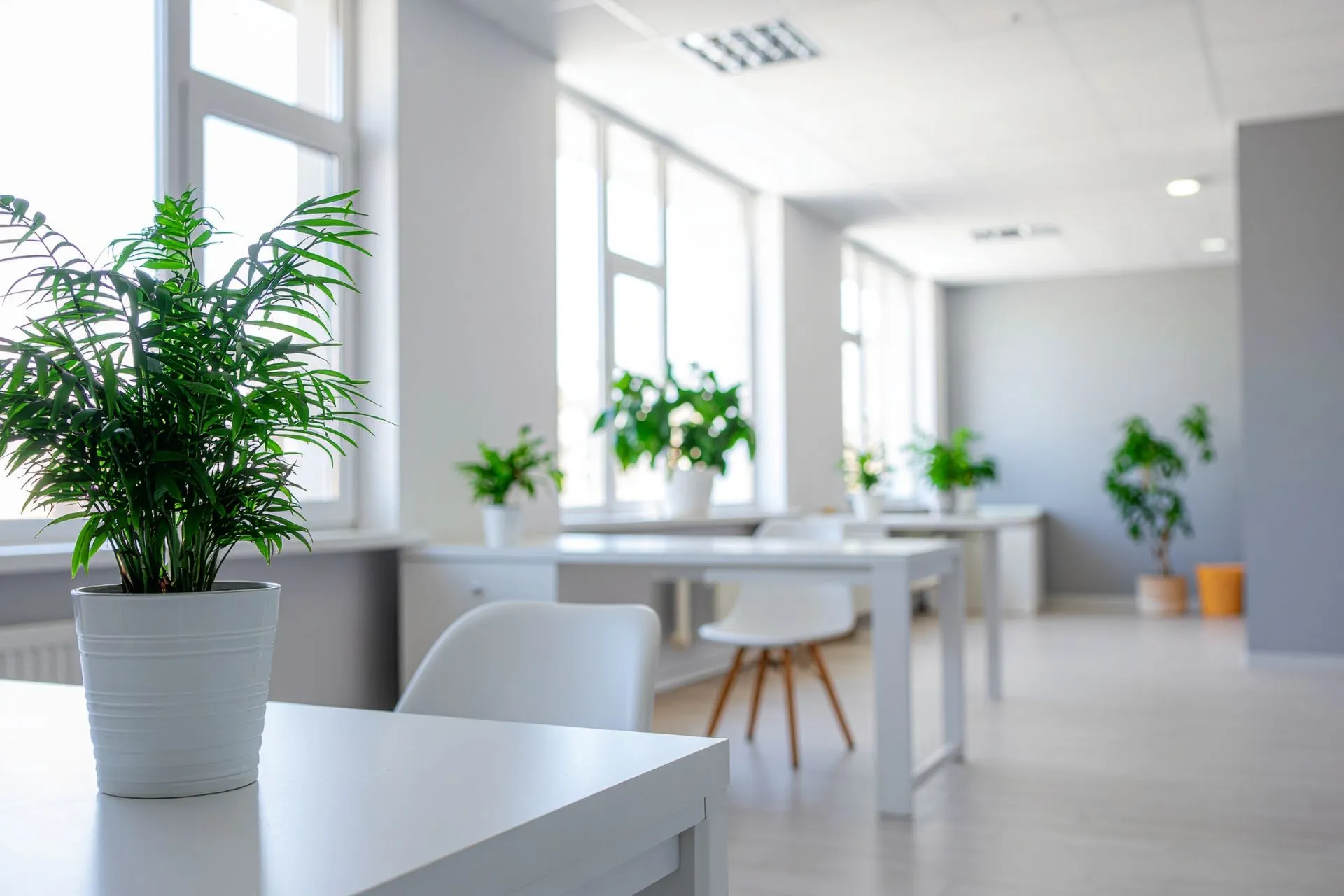
Greenery improves both the visual appeal and comfort of small offices by enhancing air quality, softening compact layouts, and supporting employee wellbeing and productivity.
Compact Plant Options
Small plants like succulents, ferns, and desk-friendly species are ideal for offices with limited surface space. They offer low-maintenance care and bring colour without overwhelming the layout.
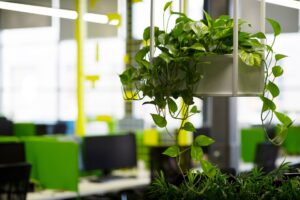
Vertical plant arrangements or hanging planters add greenery while preserving valuable floor and desk areas. These solutions let you enjoy the benefits of nature without compromising functionality.
Creating a Calming Atmosphere
Placing plants near workstations helps create a serene environment that encourages focus and relaxation. Their presence helps break up harsh lines and rigid layouts.
By using greenery as part of your interior design, you give your office a warm, inviting feel that helps employees feel more connected to their surroundings. This supports wellbeing while enhancing overall productivity.
11) Design a Compact Breakout Zone
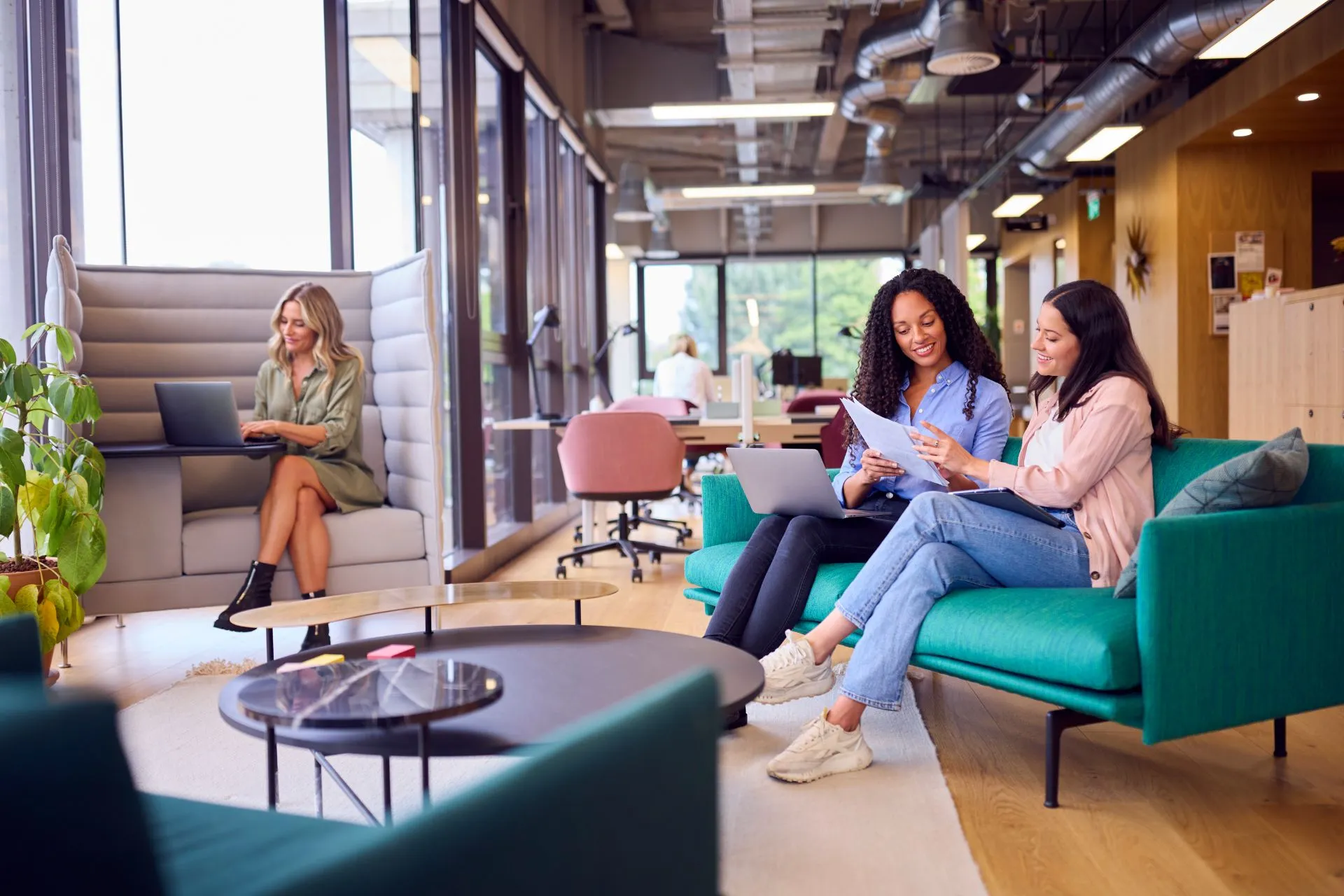
A compact breakout zone gives employees a relaxing change of scenery, boosts morale, and enhances workplace wellbeing while fitting neatly into unused corners of small offices.
Efficient Breakout Layouts
Compact seating such as small sofas, stools, or cushioned benches helps create a relaxing breakout zone that fits neatly into unused corners. These options provide a welcoming area where employees can unwind or hold quick discussions without disrupting main work areas. Choosing furnishings that match your office design ensures the space feels naturally integrated.
Small side tables or portable surfaces offer room for drinks, snacks, or laptops without taking up too much space. These items keep the breakout area functional while remaining visually light. This encourages staff to use the space comfortably for a variety of purposes.
Soft materials like rugs, throws, and cushions help separate the breakout zone from the rest of the office both visually and acoustically. These touches create a cosy feel that promotes relaxation and informal conversation. They also define the breakout area as a distinct space for short breaks.
Using Colour and Texture
Soft, calming colours help reinforce the relaxing nature of the breakout area, making it more inviting for employees who need a moment to pause. Light tones and natural materials support a sense of warmth and comfort.
By introducing varied textures through fabrics and furnishings, you add depth and interest without overwhelming the limited space. This makes the breakout zone feel both stylish and restorative.
12) Use Glass Partitions to Create Openness
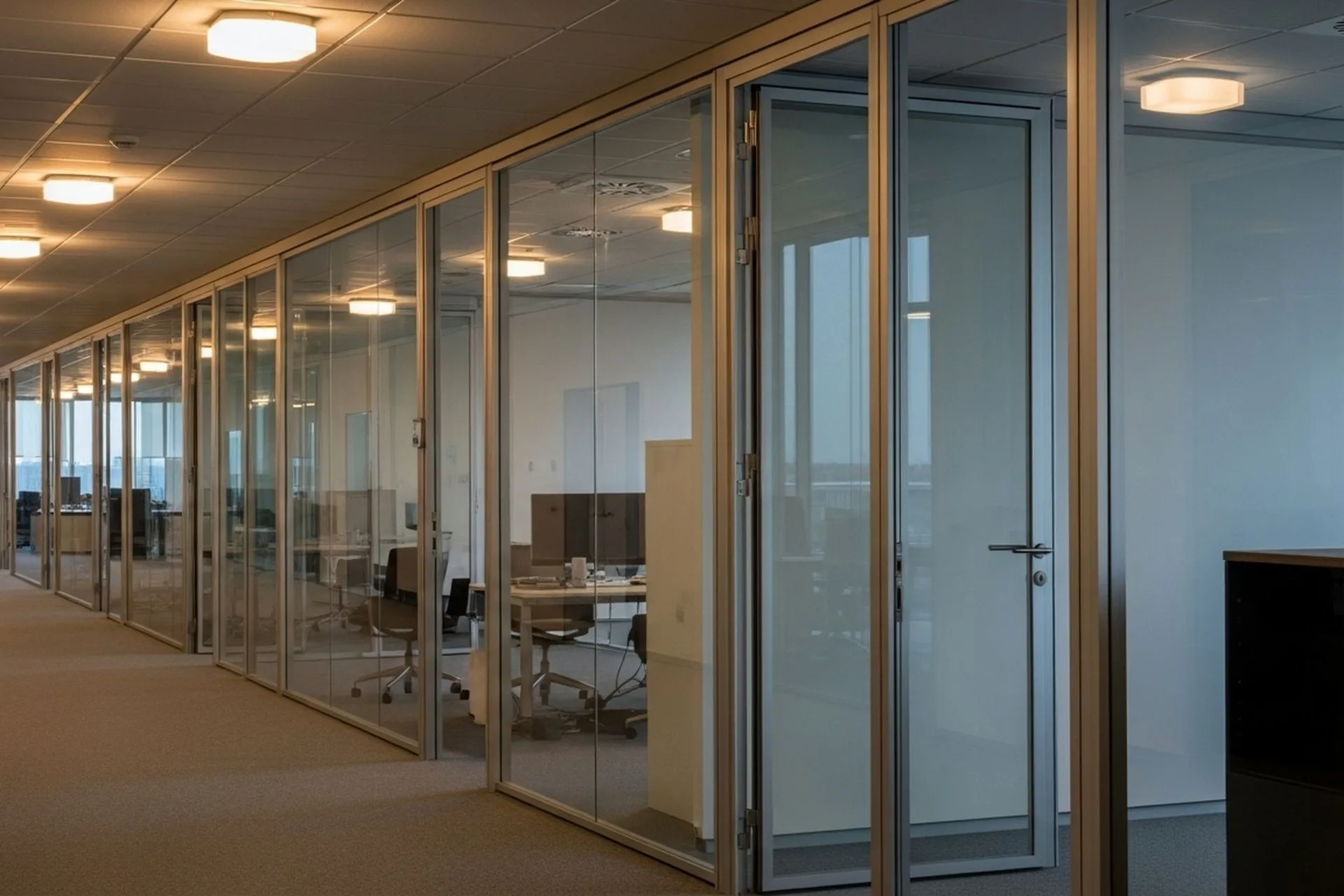
Glass partitions create separation without blocking light, helping small offices maintain openness, visibility, and a modern, professional feel.
Maintaining Openness and Privacy
Frosted or partially obscured glass provides necessary privacy while still allowing light to filter through, striking a balance between openness and discretion. This is especially useful in meeting rooms or private offices.
Full-height glass walls make even the smallest office feel expansive and bright, enhancing the overall experience of the workspace. This helps maintain a clean, streamlined environment that feels thoughtfully designed.
Combining Glass with Other Materials
Pairing glass partitions with timber, metal, or soft furnishings creates a visually rich design that feels contemporary and inviting. These combinations add depth without compromising space.
By integrating glass with other textures, you ensure the office maintains a cohesive aesthetic that supports productivity and comfort. This elevates the workspace while keeping it practical for daily use.
How We Chose These Office Fit-Out Ideas
- Space-saving impact first – We chose ideas that noticeably improve functionality without requiring major renovations.
- Real-world usability – Each concept had to work in everyday small-office settings, not just in design showrooms.
- Cost-effectiveness – We prioritised upgrades that offer strong value without excessive spending.
- Multi-purpose potential – Items that serve more than one function ranked higher on the list.
- Productivity benefits – Every idea had to contribute to better workflow, comfort, or movement.
Summary
Small offices don’t have to feel cramped or restrictive. With thoughtful design choices, clever use of furniture, and strategic fit-outs, even the tiniest spaces can become highly functional, comfortable, and visually appealing work environments. By incorporating elements such as modular furniture, vertical storage, smart lighting, and acoustic solutions, businesses can ensure that every square metre is optimised to support productivity and wellbeing. These ideas prove that limited space does not mean limited potential—small offices can work harder when planned with intention and creativity.
Ultimately, the right office fit-out has the power to transform how teams work, collaborate, and feel in their environment. Whether it’s creating multi-purpose meeting areas, breakout zones, or maximising light and openness, small adjustments make a big difference. For tailored advice, practical guidance, or a complete office transformation, contact Quintessential Offices today to discover how your workspace can reach its full potential.