

When you’re planning workspace for a team of 20, internet speed quickly moves from “nice to have” to business-critical. Slow connections frustrate staff, disrupt meetings, and quietly drain productivity across the entire working day. In a modern office, reliable connectivity underpins almost every task your team performs.
But the real question isn’t just how fast your internet should be. It’s how to ensure your workspace can properly support modern working habits and digital demands. From cloud platforms and video calls to large file transfers and collaboration tools, bandwidth is constantly being used.
Why Internet Speed Matters More Than You Think

For a team of 20 people, internet usage isn’t simply multiplied by 20. It compounds as simultaneous activity places strain on the connection. When everyone logs in at 9am, joins video calls mid-morning, uploads files after lunch, and syncs cloud systems throughout the day, demand rises sharply.
Modern businesses rely heavily on cloud-based software to operate efficiently. Whether it’s Microsoft 365, Google Workspace, CRMs, finance platforms, or industry-specific tools, everything depends on a stable and responsive connection. Even minor lag can slow down processes across multiple departments.
In a well-designed workspace like Quintessential Offices, connectivity is treated as core infrastructure rather than an afterthought. Networks are built to handle professional demand rather than casual browsing. That means your team can focus on work instead of buffering screens or dropped calls.
How Much Bandwidth Do 20 People Typically Use?

As a broad guide, a team of 20 professionals will usually require between 200 Mbps and 500 Mbps of download speed. The exact requirement depends on the nature of your work and how data-intensive your operations are. Teams that rely heavily on video, cloud storage, and real-time collaboration may need even more.
Video conferencing is often the biggest driver of bandwidth demand in modern offices. A single high-quality video call can use between 2–4 Mbps per person, and this quickly adds up. When several meetings happen simultaneously, weaker connections can struggle.
Upload speed matters just as much as download speed in today’s cloud-based environments. If your team regularly shares large files, uses cloud backups, or collaborates in real time, symmetrical fibre connections become particularly important. Balanced speeds ensure smooth communication in both directions.
1) Video Conferencing Habits
If your team spends large portions of the day on Teams or Zoom, your bandwidth needs increase significantly. Multiple HD video calls running at the same time can strain underpowered connections. Poor connectivity can lead to frozen screens, distorted audio, and frustrated clients.
In a serviced workspace environment, business-grade connectivity helps prevent these issues from arising. Professional infrastructure is designed to cope with simultaneous high-demand activity. That reliability makes a noticeable difference in both client meetings and internal collaboration.
2) Cloud-based Software
Businesses that operate entirely in the cloud require consistent and stable speeds throughout the working day. Systems that lag can affect everything from invoicing and reporting to customer response times. Even small delays can compound into wider operational inefficiencies.
A properly managed workspace network ensures sufficient capacity is built into the system. Bandwidth is allocated with professional use in mind rather than domestic assumptions. That results in smoother system performance across the whole team.
3) File Size and Data Transfer
Creative teams, engineers, and data-driven businesses typically transfer large files on a regular basis. High-resolution images, design files, shared datasets, and backups all demand strong upload and download capacity. Without adequate speeds, file transfers can become a daily frustration.
In a high-quality office environment, infrastructure is built specifically to support this level of usage. Fibre connections and managed networks reduce the risk of bottlenecks. You’re not relying on a domestic-grade broadband connection struggling under pressure.
Shared Broadband vs Dedicated Business Fibre
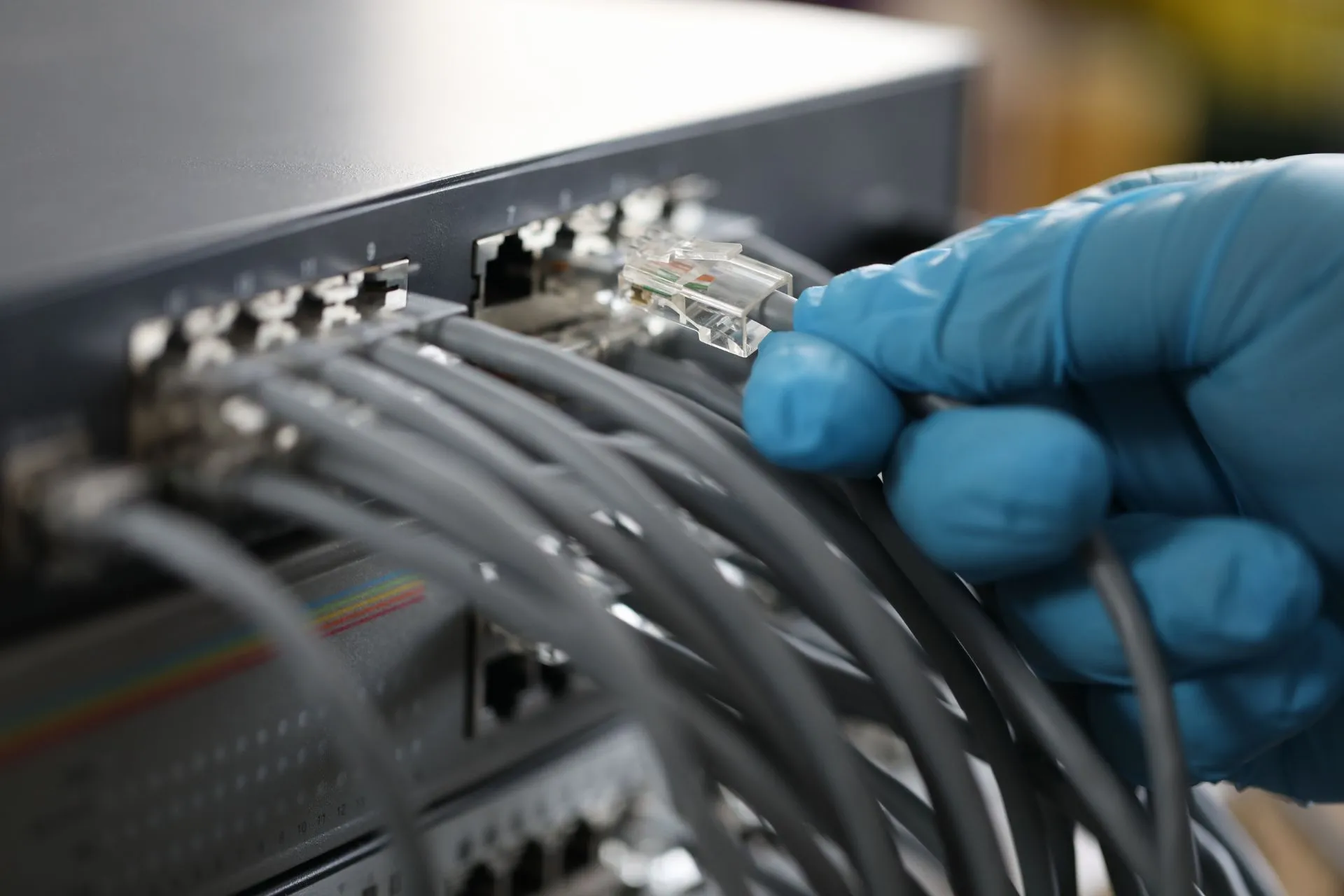
There is a significant difference between residential-style broadband and business-grade fibre connections. While both may advertise similar headline speeds, performance under load can vary considerably. Consumer broadband is not typically designed for 20 simultaneous professional users.
Dedicated business fibre provides more consistent performance, even during peak usage hours. It also offers stronger service level agreements, meaning issues are addressed more quickly. This level of reliability is crucial when your operations depend on connectivity.
At Quintessential Offices, connectivity is built around professional requirements from the outset. Infrastructure is selected to support growing, data-driven teams. That means your team benefits from performance designed for business reliability rather than domestic convenience.
Download Speed vs Upload Speed: Both Matter

Many businesses focus purely on download speeds when choosing an internet package. While downloads are important, uploads are equally critical in cloud-driven workplaces. Modern collaboration requires constant two-way data transfer.
Uploading large files, sharing presentations, backing up systems, and hosting video calls all depend heavily on upload capacity. Without sufficient upload speed, collaboration can feel sluggish and unreliable. Over time, these small delays reduce overall efficiency.
A balanced, symmetrical fibre connection ensures your team can send and receive data efficiently. This consistency improves responsiveness and professional presentation. It ultimately creates a smoother working environment for everyone involved.
Planning for Growth

If you have 20 people today, you may have 25 or 30 tomorrow. Choosing a workspace with scalable connectivity protects you from disruption as your business expands. Future-proofing your infrastructure avoids costly upgrades later.
Upgrading private office internet within a traditional lease can be complex and expensive. Installation delays and contractual restrictions can slow down progress. In a flexible workspace setting, infrastructure is already designed to accommodate change.
Quintessential Offices provides spaces that can evolve alongside your team. Connectivity is built to support scaling businesses rather than static headcounts. That ensures your internet keeps pace with expansion.
Why Workspace Infrastructure Makes the Difference

Even with fast headline internet speeds, poor internal network setup can create bottlenecks. Wi-Fi coverage gaps, outdated hardware, and weak security protocols all affect performance. Speed alone does not guarantee reliability.
Professionally managed office environments ensure the entire system works cohesively. From fibre connection to secure Wi-Fi distribution, every element is integrated properly. This holistic approach supports productivity across all departments.
When internet is handled for you, your team gains consistency and peace of mind. Issues are resolved quickly without disrupting daily operations. That allows you to focus on clients, strategy, and growth rather than IT troubleshooting.
Summary
For a team of 20 professionals, reliable internet is essential to everyday performance. In most cases, you’ll want at least 200–500 Mbps of business-grade fibre, supported by strong upload speeds and scalable infrastructure. The exact figure depends on how intensively your team uses digital tools.
The real value lies in choosing a workspace where connectivity is built for business from the outset. Infrastructure, reliability, and professional management all contribute to smoother operations. Internet should feel invisible because it simply works.
If you’re planning space for 20 people and want a workplace designed around performance, speak to Quintessential Offices today. Our flexible workspaces provide the infrastructure, reliability, and support your team needs to thrive.