

Understanding vacancy rates is one of the clearest ways to assess the health and direction of an office market. In Glasgow city centre, vacancy has become an increasingly important metric in recent years, reflecting not just supply and demand, but also wider shifts in how businesses use workspace.
For occupiers, landlords, and investors alike, vacancy rates offer a useful snapshot of market conditions. So, what is the average vacancy rate in Glasgow today, and what does it really mean for businesses considering office space?
What Is the Current Vacancy Rate in Glasgow City Centre?

Glasgow city centre’s office vacancy rate currently sits within a relatively stable range, though exact figures vary depending on how availability is measured and which datasets are used. Most recent estimates place overall vacancy between approximately 12% and 15%, providing a realistic benchmark for understanding the market. These figures typically include both actively marketed space and newly completed developments that are yet to be occupied.
Some reports suggest that vacancy has hovered closer to the lower end of this range during periods of strong take-up, particularly when demand for well-located space increases. At other times, especially when new supply enters the market or larger occupiers downsize, availability can edge upwards towards the mid-teens. This natural fluctuation is typical of a city centre office market and does not necessarily indicate instability.
Importantly, these headline figures should be viewed as a broad guide rather than a fixed number. Vacancy is constantly shifting in response to leasing activity, refurbishments, and economic conditions. As such, businesses exploring office space in Glasgow should consider current availability alongside wider trends rather than relying solely on a single percentage.
Why Vacancy Rates Vary Across the City

Vacancy rates in Glasgow city centre are not uniform, and the headline percentage often masks significant variation across different types of buildings and locations. One of the primary reasons for this is the mix of office stock available, which ranges from modern Grade A developments to older, less efficient properties that may struggle to attract tenants.
Another key factor is location within the city centre itself. Areas with strong transport links, proximity to amenities, and established business clusters tend to see lower vacancy levels. In contrast, less central or less well-connected locations may experience higher availability, particularly if buildings have not been recently upgraded or repositioned to meet current occupier expectations.
Timing also plays a role. Vacancy can temporarily increase when large tenants vacate space or when new developments are completed, adding to overall supply. Over time, however, this space is often absorbed by the market, particularly if it meets the growing demand for flexible, high-quality offices.
The Growing Gap Between Prime and Secondary Space
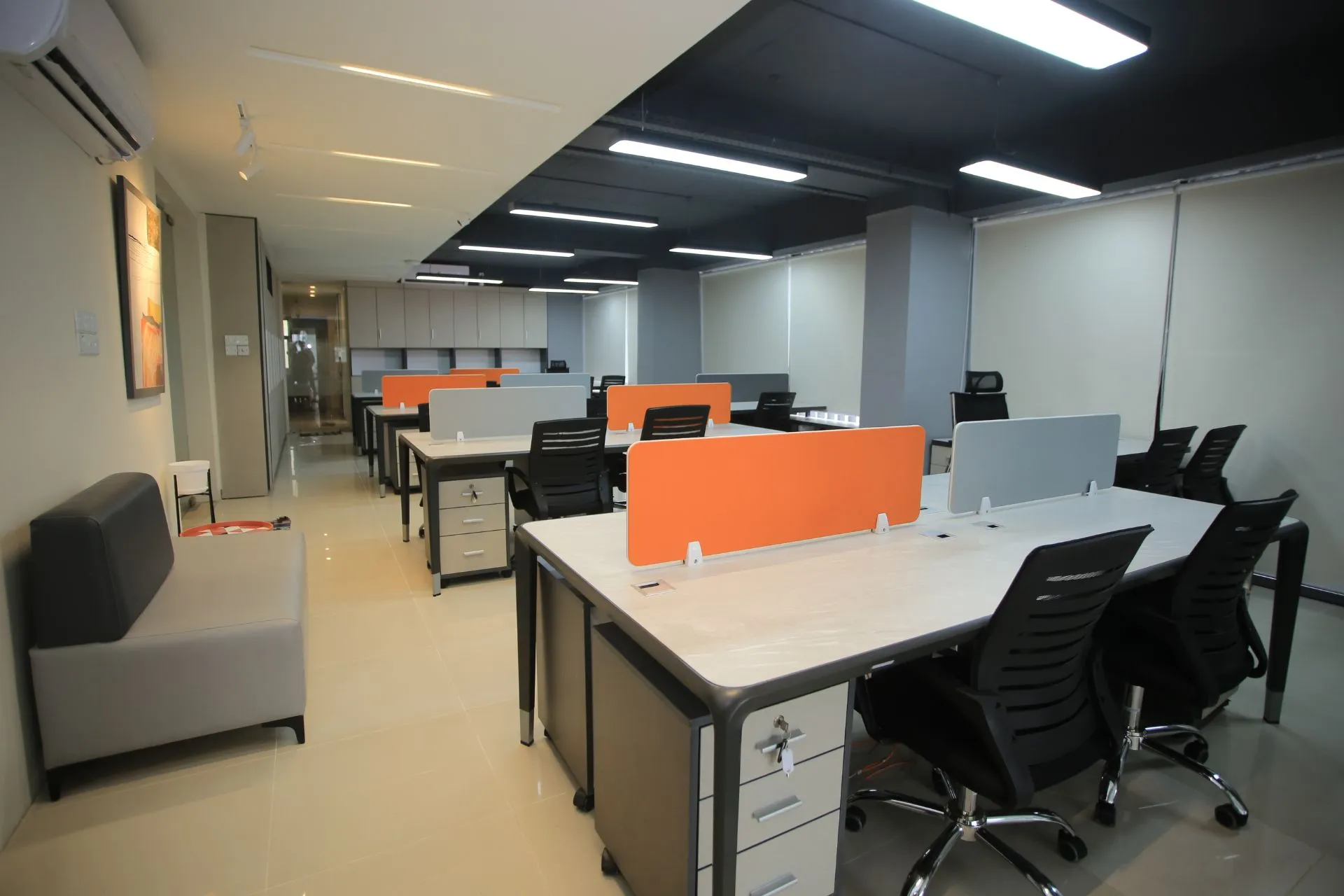
1) Strong Demand for High-quality Offices
One of the most notable trends in Glasgow is the strong and consistent demand for high-quality office space. Modern, energy-efficient buildings that offer flexible layouts and high-end amenities are particularly attractive to occupiers looking to support hybrid working and improve employee experience. As a result, these types of offices are often let quickly once they become available.
In some cases, vacancy rates for prime Grade A space can be extremely low, especially for fully fitted or “plug and play” offices. Businesses are increasingly prioritising convenience and speed, opting for spaces that require minimal upfront investment or fit-out time. This has created a competitive environment for the best buildings in the city centre.
2) Higher Availability in Older Stock
In contrast, older or secondary office buildings tend to account for a larger share of overall vacancy in Glasgow city centre. These properties may lack the features that modern occupiers expect, such as energy efficiency, flexible floorplates, or high-quality communal areas. Without investment or refurbishment, they can remain on the market for extended periods.
This creates a situation where headline vacancy rates appear relatively high, even though much of the available space may not align with current demand. For some businesses, however, these buildings can still present an opportunity, particularly where cost savings are a priority and location remains suitable.
3) The Impact of Refurbishment and Repositioning
Refurbishment has become a key strategy in addressing vacancy across Glasgow’s office market. By upgrading older buildings to meet modern standards, landlords can significantly improve their appeal and reduce the time it takes to secure tenants. This often includes improvements to energy performance, interior design, and shared facilities.
Repositioned buildings can effectively bridge the gap between prime and secondary space, offering a more affordable alternative while still meeting many of the expectations of today’s occupiers. This has become particularly important as businesses seek a balance between quality and cost.
How Glasgow Compares to Other UK Cities

When compared to other major UK office markets, Glasgow’s vacancy rate sits broadly within the expected range for a regional city centre. Many cities have experienced an increase in vacancy since the pandemic, driven by changes in workplace behaviour and a reassessment of space requirements. Glasgow has followed this trend, but without experiencing extreme fluctuations.
One of the reasons for this relative stability is the city’s consistent level of occupier demand. Glasgow continues to attract a diverse mix of businesses, from professional services firms to tech companies, helping to sustain take-up even as overall requirements evolve. This demand plays a key role in preventing vacancy from rising too sharply.
Additionally, Glasgow benefits from a more limited development pipeline compared to some larger cities. With fewer new buildings being delivered, the market is less exposed to sudden increases in supply, which helps keep vacancy rates within a manageable range over time.
What Vacancy Rates Mean for Businesses

1) A Balanced but Selective Market
A vacancy rate in the region of 12% to 15% typically indicates a relatively balanced market. There is enough availability to give occupiers a degree of choice, but not so much that landlords are under significant pressure to reduce rents across the board. This creates a more measured environment for negotiations.
However, this balance does not apply evenly across all types of space. While there may be a good selection of secondary offices available, the most desirable buildings can still be in short supply. As a result, businesses need to be selective and prepared to act quickly when the right opportunity arises.
2) Trade-offs Between Cost and Quality
One of the key implications of Glasgow’s vacancy rate is the trade-off between cost and quality. Businesses can often secure more competitive terms in older or less central buildings, where availability is higher. This can be an attractive option for organisations prioritising budget over premium features.
On the other hand, companies seeking modern, fully fitted space in prime locations may face more competition and less room for negotiation. These offices often command higher rents but offer advantages in terms of employee experience, brand perception, and operational efficiency.
3) The Importance of Timing and Flexibility
Timing can play a crucial role when navigating a market with moderate vacancy levels. Availability can change quickly, particularly for high-quality space, meaning that delays in decision-making may result in missed opportunities. Staying informed about current market conditions can provide a significant advantage.
Flexibility is equally important. Businesses that are open to different layouts, lease terms, or locations within the city centre may find it easier to secure suitable space. This is particularly relevant in a market where demand is concentrated in specific segments.
Is the Vacancy Rate Rising or Falling?

Glasgow’s vacancy rate has shown signs of stabilising in recent periods, with fluctuations generally remaining within a relatively narrow range. While there have been increases in available space at certain points, these have often been offset by steady levels of take-up across the city centre.
A key factor in this stability is the continued demand for high-quality and flexible office space. Even as some businesses reduce their overall footprint, others are entering the market or upgrading their premises, helping to maintain a consistent level of activity. This ongoing movement contributes to a more balanced supply-demand dynamic.
Looking ahead, vacancy is likely to remain influenced by broader economic conditions and workplace trends. However, current indicators suggest that Glasgow’s office market is adjusting rather than declining, with vacancy reflecting a period of transition rather than instability.
The Bigger Picture: What to Expect Going Forward

In the longer term, Glasgow’s vacancy rate is expected to remain within a similar range, though the composition of available space may continue to evolve. Demand for modern, sustainable offices is likely to persist, shaping how both new developments and existing buildings are positioned in the market.
At the same time, older stock may either be upgraded or gradually phased out, reducing its impact on overall vacancy levels. This process could lead to a more balanced distribution of supply, although differences between prime and secondary space are likely to remain.
For businesses, this means that while there will continue to be options available, the best opportunities may become increasingly competitive. Planning ahead and understanding market trends will be key to securing the right space.
Summary
Glasgow city centre’s vacancy rate, typically ranging between 12% and 15%, reflects a market that is stable but evolving. While there is a reasonable level of availability overall, much of this is concentrated in older buildings, with high-quality space continuing to attract strong demand and limited supply.
If you are exploring office space in Glasgow, Quintessential Offices can help you navigate the market and find a workspace that fits your needs. Get in touch to discuss your requirements and discover the best options currently available.