

If you’re setting up or scaling a business, one of the biggest IT decisions you’ll face is whether to invest in your own servers or rely entirely on cloud-based systems to keep everything running smoothly.
The short answer is that most businesses today can operate entirely in the cloud without any issues. However, that doesn’t automatically mean it’s the best fit for every organisation, particularly if you have specific operational, security, or performance requirements to consider.
Below, we break down how each option works, the key differences between them, and how to decide which approach best supports your business both now and in the long term.
What Does “Running in the Cloud” Actually Mean?
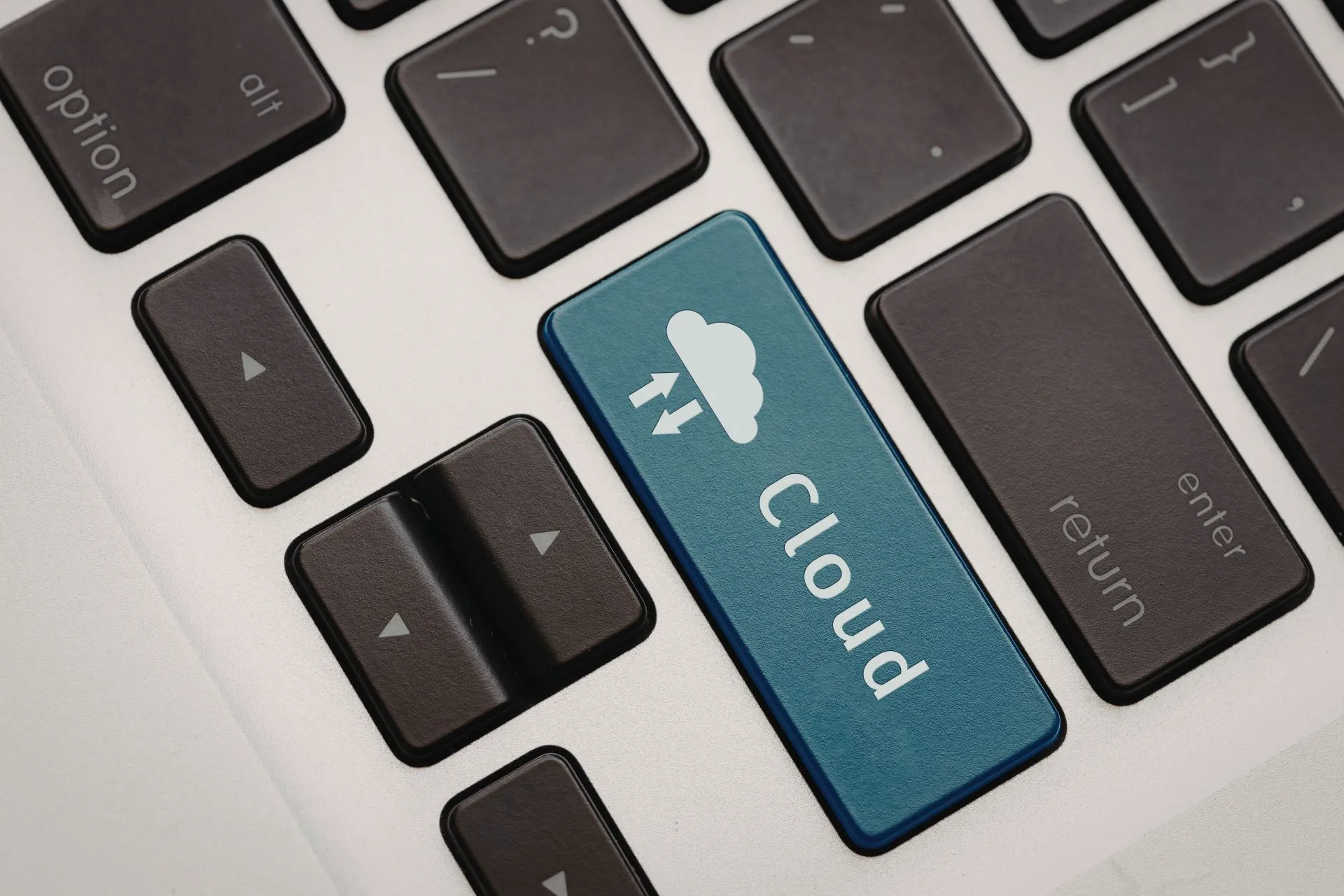
Running your business in the cloud means that your data, systems, and software are hosted on remote servers rather than being stored on physical machines in your office. These servers are maintained by third-party providers and accessed securely over the internet.
In practical terms, this allows your team to log in and work from virtually anywhere, using tools that are always up to date and centrally managed. From email and document storage to project management and accounting platforms, most essential business functions can now be handled entirely online.
For many organisations, this approach removes the need for physical infrastructure altogether, simplifying IT management while still providing reliable performance and security.
What Does Having Your Own Server Involve?

Having your own server means installing physical hardware either within your office or in a dedicated data centre, and using it to store data and run your internal systems. This gives you direct ownership and control over your IT environment.
However, this level of control comes with added responsibility. You’ll need to ensure the server is properly maintained, kept secure, regularly updated, and backed up to prevent data loss or downtime. This often requires either in-house expertise or ongoing support from an external IT provider.
While this setup used to be the standard for most businesses, it is now typically reserved for organisations with very specific technical or compliance needs.
The Benefits of Running Everything in the Cloud

1) Greater Flexibility and Remote Access
One of the most significant advantages of cloud-based systems is the ability to access your business tools from anywhere. Whether your team is working from home, travelling, or based across multiple locations, everyone can stay connected without needing to rely on a central office server.
This flexibility supports modern working patterns, including hybrid and remote setups, and makes it easier to scale your team without worrying about physical infrastructure limitations.
2) Lower Upfront Costs and Predictable Spending
Moving to the cloud eliminates the need for large upfront investments in hardware and infrastructure. Instead, you typically pay a monthly or annual subscription based on usage, which can be adjusted as your business grows or changes.
This predictable cost structure makes budgeting simpler and reduces the financial risk associated with maintaining ageing or underutilised equipment.
3) Reduced Maintenance and IT Burden
With cloud services, maintenance tasks such as updates, security patches, and system monitoring are handled by the provider. This significantly reduces the workload on your internal team and ensures your systems remain up to date without constant manual intervention.
For many businesses, this not only saves time but also improves overall reliability and security.
When You Might Still Need Your Own Servers

1) Strict Data Control and Compliance Requirements
If your business operates in a highly regulated industry or handles particularly sensitive data, you may need full control over where that information is stored and how it is managed. In some cases, regulations may require data to be kept on specific systems or within certain locations.
Having your own server can provide the level of control and oversight needed to meet these obligations more comfortably.
2) Reliance on Legacy or Specialised Systems
Some organisations depend on older software or highly specialised applications that are not compatible with cloud environments. Migrating these systems can be complex, costly, or simply not feasible in the short term.
In these situations, maintaining on-site servers ensures continuity while avoiding disruptions to critical operations.
3) Performance and Low-Latency Needs
For businesses that rely on high-performance computing or real-time processing, such as design, engineering, or data-heavy applications, local servers can offer faster and more consistent performance.
By keeping systems on-site, you reduce reliance on internet connectivity and minimise latency, which can be crucial for certain workflows.
The Hybrid Approach: A Practical Middle Ground

Many businesses now adopt a hybrid approach, combining the convenience of cloud services with the control of on-site infrastructure. This allows you to store critical or sensitive data locally while still benefiting from cloud-based tools for everyday operations.
For example, you might use cloud platforms for communication, collaboration, and file sharing, while keeping certain databases or applications on a private server. This setup can provide a balanced solution that meets both operational and compliance needs.
A hybrid model is often seen as a flexible stepping stone, allowing businesses to gradually transition towards the cloud without fully committing all at once.
Key Questions to Help You Decide

Choosing between cloud, on-site servers, or a hybrid setup ultimately comes down to how your business operates and what it needs to function efficiently.
Consider how your team works on a day-to-day basis, the level of security and control you require, and whether your current systems are suitable for cloud migration. It’s also important to think about your budget, both in terms of upfront investment and ongoing costs, as well as your ability to manage IT infrastructure internally.
Taking the time to evaluate these factors carefully will help ensure you choose a solution that supports your business not just now, but as it continues to grow.
Summary
For most modern businesses, running everything in the cloud is more than sufficient, offering flexibility, scalability, and reduced complexity without the need for physical infrastructure on-site.
That said, there are still valid reasons to maintain your own servers, particularly if your business requires a higher level of control, specific technical capabilities, or compliance with strict regulations. In many cases, a hybrid approach can offer the best of both worlds.
Ultimately, your decision should align with how your business operates and the environment you want to create for your team. If you’re rethinking your setup, it may also be the perfect time to consider whether your current workspace supports your technology needs.
If you’re looking for a flexible, fully serviced office that allows your business to run efficiently—whether in the cloud, on-site, or a combination of both—Quintessential Offices can help. Get in touch today to explore workspace solutions designed to support modern, technology-driven businesses.